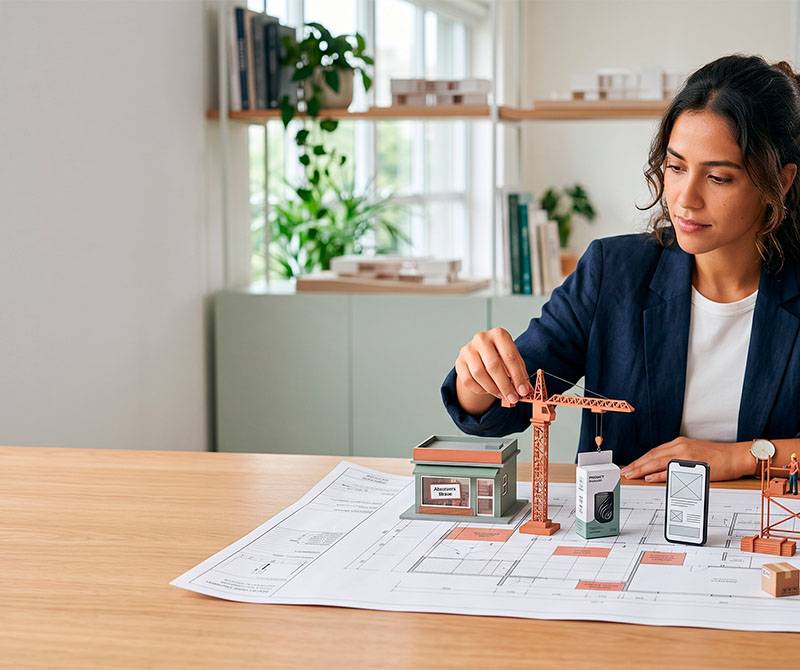
The main point is simple: 2026 consumer trends do not ask you to change everything. They ask you to stop selling as if customers still decide only by price and convenience. Today, they compare experience, clarity, impact, and usefulness. That applies to a neighborhood shop, a local service, a digital business, or a hybrid operation.
If you run a small business, the challenge is not keeping up with every change at once. It’s understanding which ones actually affect revenue and which ones can be ignored for now. Not every trend becomes an action. But some become lost sales if you overlook them.
What changed in consumer behavior?
Consumers have become more demanding. They research more, compare more, and tolerate less noise. That shows up in three clear shifts:
- Search for real value: customers are willing to pay a little more when they see usefulness, durability, comfort, or concrete convenience.
- Less patience for excess: packaging, messaging, and complicated offers lose strength. Simple, when done well, sells better.
- Intentional buying: more people prefer brands that solve a specific problem instead of trying to speak to everyone at once.
For small businesses, that changes the logic of communication. You don’t need to look big. You need to look clear. Customers want to quickly understand what you deliver, why it matters, and what happens after the purchase.
A common mistake is trying to respond to this new behavior with more promotions. But constant discounts teach customers to wait for the next one. A better move is to revisit the offer itself: what is being sold, to whom, with what promise, and with what level of proof.
Well-being has become a buying argument, not just a personal value
Well-being is no longer limited to gyms, healthy food, or self-care. It now plays into buying decisions across very different categories. Customers want less friction, less guilt, and more confidence that they made a smart choice.
That affects small businesses in several ways:
- products and services that save time gain strength;
- solutions that reduce mental effort sell better;
- respectful, predictable service matters more than polished talk;
- items that help daily routines feel more organized have an advantage.
In practice, well-being can live inside your business without turning it into a lifestyle brand. A bakery can sell better by being clear about when products are fresh and by reducing time spent waiting at the counter. A salon can raise perceived value by organizing schedules, service time, and follow-up. A store can help customers choose without confusion, with fewer options and better guidance.
In other words, for consumers, well-being often means less friction. Entrepreneurs usually think of innovation as something expensive. But in many cases, innovation is simply removing a step that shouldn’t be there.
What does practical sustainability look like from the customer’s point of view?
Consumers are paying more attention to sustainability, but that doesn’t mean they want sophisticated campaigns or long speeches. They want consistency. Practical sustainability is the kind that shows up in observable actions, even in a small business.
Simple examples:
- less inventory waste;
- more functional packaging, without excess;
- reasonable use of energy and water;
- reusing materials when that makes sense;
- being transparent about origin, composition, or disposal of the product.
The risk here is trying to look sustainable without actually being it. Customers notice when the message doesn’t match the operation. If you claim environmental commitment but create visible waste, perception gets worse. In small businesses, authenticity matters more than marketing.
It’s also worth remembering that sustainability doesn’t have to start with a big investment. Sometimes the first gain is financial: less waste, less rework, and fewer unnecessary purchases. The environmental argument comes along, but the cash flow benefits first.
How do you adapt your small business without blowing the budget?
You don’t need to redesign everything. You need to choose the points with the biggest impact. The best way to start is by looking at four areas: offer, service, operations, and communication.
1. Adjust the offer to what customers actually value
Notice which products or services sell because they solve a real problem. Sometimes a business spends too much energy on items that generate little margin and little repeat business. Instead of expanding the catalog, it may be smarter to strengthen what already has traction.
Useful questions:
- which items are bought again most often?
- what do customers praise without being prompted?
- where is there the most hesitation at the point of purchase?
Those answers show where customers see value.
2. Simplify the buying experience
If customers have to think too much, they leave. Simplifying doesn’t require expensive technology. Often, it just means organizing the flow better.
- reduce steps for quotes, orders, or bookings;
- make prices and conditions clearer;
- standardize answers to common questions;
- avoid too many similar options.
Small businesses have one advantage that’s hard to copy: they can adjust quickly. Use that to your benefit.
3. Turn sustainability into efficiency
Instead of treating sustainability as an extra cost, fold it into decisions that also improve operations. That can include:
- buying better so you waste less;
- reviewing packaging to reduce volume and cost;
- organizing inventory to avoid expiration or obsolescence;
- tracking basic input consumption and cutting losses.
This kind of adjustment usually has a more visible return than generic campaigns. You save money and reinforce a responsible image at the same time.
4. Communicate with more precision and less noise
Today’s customer responds better to messages that feel made for them. That doesn’t mean advanced personalization. It means speaking clearly about the problem you solve.
Replace vague phrases with concrete promises. Instead of “quality and excellence,” say what that means in practice: fast delivery, same-day service, durable products, simple support, a process without bureaucracy.
When communication is precise, you sell more without having to increase ad spend.
How much does it cost to adapt a small business to these trends?
The cost can vary a lot, but the good news is that most adjustments are operational more than financial. In many cases, the first investment is time spent diagnosing the business.
Some common scenarios:
- Low cost: reviewing menu, offer, service, messaging, and internal processes. This mainly requires team focus and discipline.
- Moderate cost: changing packaging, improving signage, making small layout changes, or adding simple automation for service or ordering.
- Higher cost: renovations, equipment changes, new suppliers, or a broader brand repositioning.
For most small businesses, the best path is to start with low-cost changes. If a simple adjustment improves conversion, reduces waste, or increases repeat purchases, it pays for itself before any larger transformation.
A practical example: a small store that sells better without expanding its structure
Imagine a neighborhood natural products store. Before, it offered many similar items, used technical names, and gave little explanation. Customers came in, asked a lot, and bought little.
After observing buying behavior, the owner noticed three things: customers wanted everyday solutions, valued convenience, and appreciated clear information about use and storage. She then made three changes:
- reduced the number of very similar items;
- built kits by goal, such as quick snacks, breakfast, and fitness routines;
- added simple labels with benefit, how to use it, and shelf life.
The result did not come from a big campaign. It came from clarity. Customers understood faster what to buy and why. The store also reduced inventory losses and improved product display.
This kind of adjustment shows how consumer trends can be turned into concrete action. It’s not about following a fad. It’s about selling in a way that fits how people decide today.
What signs show you’re falling behind?
Some symptoms appear before revenue drops. If you recognize two or more of them, it’s worth reviewing the operation with moderate urgency, without drama and without delay:
- customers ask a lot and buy little;
- price has become the main comparison point;
- drop-off increases during the buying process;
- complaints are about confusion, delays, or lack of clarity;
- you need frequent promotions to keep traffic moving;
- inventory turns slowly or creates recurring waste.
These signs suggest the problem may not be the product alone. It may be the way it is presented, sold, and delivered.
What should you do in the next 30 days?
If you want to act without freezing operations, start with a short, practical review:
- List your five best-selling products or services.
- Identify which ones deliver the most perceived value to customers.
- Look for the biggest sources of doubt, delay, or rework in service.
- Choose one simple improvement to reduce friction.
- Test a clearer way to communicate benefit, timing, or use.
- Watch whether conversion, average ticket, or repeat purchase changes.
This cycle is useful because it turns a trend into learning. You don’t need to predict the whole market. You need to test quickly where consumer behavior is already pointing.
2026 consumer trends point to a customer who is more attentive, more demanding, and less willing to buy on impulse. For small businesses, that is not an automatic threat. It is an invitation to organize the house better, sell with more clarity, and make operational choices that create real value.
If you want to turn these ideas into a practical plan for your business, start now with what you already know about your customer. In a few minutes, you can map the next steps and move out of theory.

Written by
Michel Torres
Shares practical lessons on planning, validating and growing new businesses.
See more articlesReady to turn
your idea into a plan?
Vibz guides you from first draft to a validated pitch, with market data, financial projections and a narrative ready to present.
✓ No credit card ✓ Set up in 2 minutes