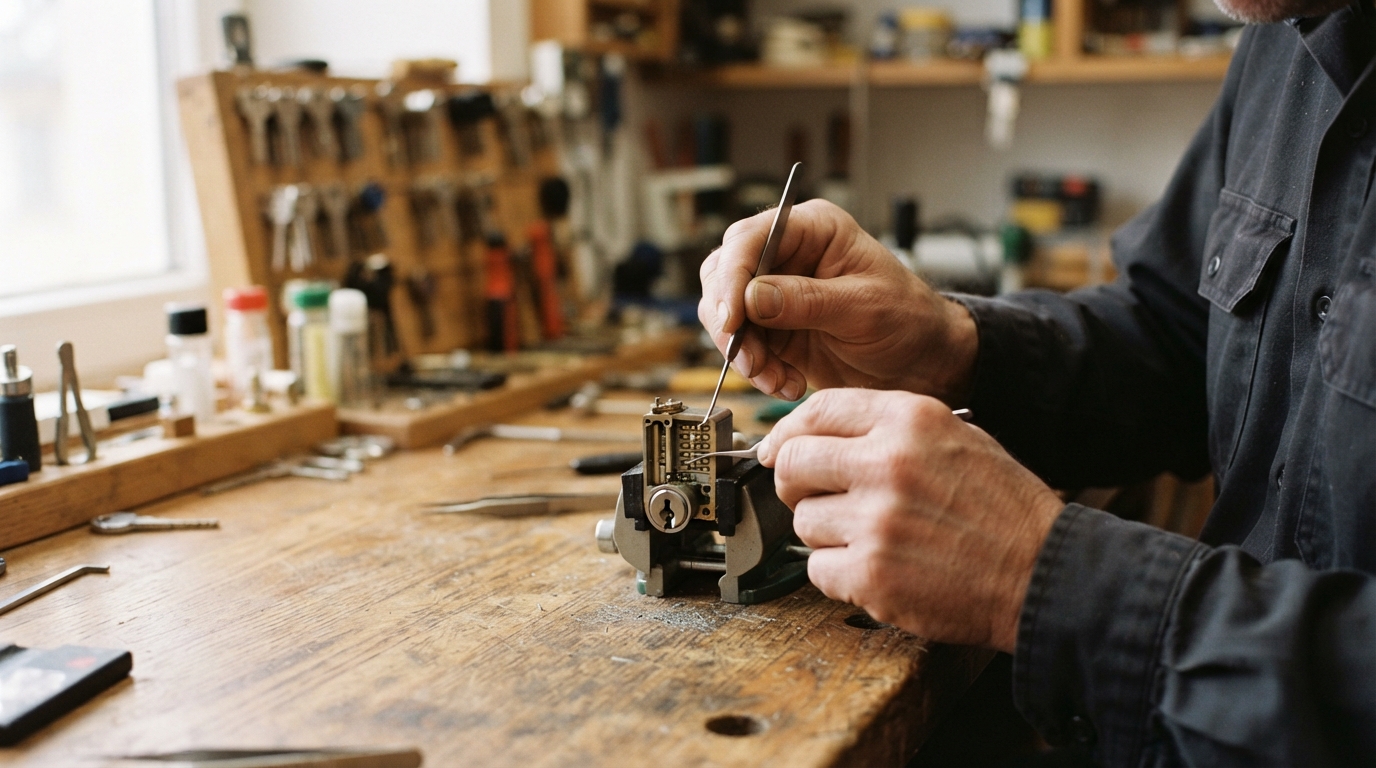
A shoe store can work as a retailer of new footwear, a repair and maintenance shop, or a combination of both. Each model changes the inventory you need, the day-to-day routine, and the margin you have to pursue for the business to make sense.
What looks simple on the sales floor is usually more sensitive behind the scenes: incomplete size runs, seasonality, collection turnover, display space, and the choice between private label, multi-brand retail, or service. Before investing, it helps to separate what you want to sell from what the operation can actually sustain.
- size-based inventory
- collection turnover
- in-person service
- repair service
What you need to understand before moving forward
Will you sell shoes, do repairs, or both?
That decision defines almost everything: the structure you need, the amount of inventory, service time, and the customer profile. Mixing models without clarity usually leads to a messy operation and poorly calculated margins.
Does your audience buy out of need, style, or convenience?
In a shoe store, the reason for the purchase changes visit frequency, average ticket, and how products should be displayed. You need to know whether the customer is looking for basic replacement, work footwear, kids’ shoes, a specific occasion, or a quick repair.
Will your size and model mix be broad or focused?
Variety helps sell, but it also ties up capital and increases the risk of leftovers. You need to decide which lines deserve deeper stock and which ones will be handled by order or with less shelf space.
Does your location favor walk-in purchases or planned visits?
A shoe store depends heavily on visibility, easy access, and fit between foot traffic and buying behavior. If customers need to compare, try on, and come back, the location has to support that routine.
Can you handle exchanges, adjustments, and after-sales with a defined routine?
Footwear brings size exchanges, comfort complaints, and, in some cases, adjustments or repairs. If that isn’t organized, you lose time, reduce margin, and weaken customer trust.
The critical points of this business
Market
You need to understand who buys shoes in the area, how often they buy, whether they care most about price, durability, or style, and which product ranges move more predictably. Without that, choosing the mix becomes guesswork.
Offer
Your offer needs to combine category, price range, size variety, and, if you provide service, a clear distinction between sales and repair. A shoe store loses strength when it tries to be everything at once and doesn’t make clear what it does best.
Operations
Separating display, inventory, fitting area, checkout, and, when applicable, a repair bench is part of making this business efficient. Operations also depend on frequent replenishment and tight control of sizes, colors, and models.
Financials
The initial investment is usually driven by inventory and store setup, so planning has to account for turnover, replenishment lead time, and sales speed. You need to know how much capital is tied up in slow-moving sizes and how long you can go before cash flow adjusts.
Location
The address has to fit the kind of purchase you want to encourage. In a shoe store, that means looking at ease of access, traffic profile, and whether the surrounding area matches the products you plan to offer.
Regulation
If you offer repairs, customization, or use specific materials, you need to check operating requirements, permits, and local rules for the activity. Even when retail is the main business, the operation can’t rely on improvised paperwork.
What can compromise the business
Choosing a location based only on foot traffic
High traffic doesn’t guarantee sales if the people passing by don’t buy footwear in that segment. You need to check whether the area matches the product type, the price range, and the try-on-driven nature of the purchase.
Inventory with mismatched size runs
Buying the right model and missing the size range ties up capital and creates leftovers. In a shoe store, sales depend as much on the right product as on the right sizes being available at the right time.
Mixing sales and repairs without a routine
When the store sells and repairs at the same time, service can turn into lines, delays, and lost focus. If that combination makes sense, it needs separate processes, defined deadlines, and clear responsibility.
A collection larger than your turnover capacity
Too much variety may look like an advantage, but it raises the cost of display, replenishment, and control. The risk grows when you buy more based on window appeal than on a real reading of demand.
Neglecting exchanges and adjustments
Footwear requires more careful after-sales service than many other retail categories. If you don’t prepare a policy and routine for exchanges, adjustments, and usage guidance, the experience suffers and repeat business drops.
What makes up the investment
Store setup
The size of the space, the finish level, and the need for a storefront, mirrors, fitting area, and storage zone define this investment. It varies depending on whether the model is retail only, service only, or mixed.
Initial inventory
Most of the variation here comes from how many sizes, categories, and price ranges you want to cover at opening. The broader the size run and the more diverse the mix, the more capital gets tied up.
Equipment and furniture
Shelving, displays, checkout counter, computer, scanner, organization items, and, if you offer repairs, specific tools all belong in this calculation. The amount depends on the service level and the volume you plan to handle.
Licenses and adjustments
Permits, location compliance, and any requirements tied to the activity vary by city and property. If there is a repair workshop, additional safety and operational adjustments may be needed.
Working capital
This component has to cover restocking, fixed expenses, and possible exchanges until turnover stabilizes. It changes based on supplier payment terms, sales speed, and demand seasonality.
Opening communication
How much you need here depends on how visible the location already is and how much you need to communicate variety, novelty, or service. In a shoe store, opening usually calls for local promotion and a well-organized storefront from day one.
These components change from city to city and from project to project. In Vibz you build your business's investment with your own numbers. Calculate the investment in Vibz
Turn these questions into decisions
Before buying inventory or signing a lease, you need to turn the idea into a clear business thesis. Vibz helps organize those decisions based on what you learn about the market, operations, and finances, so you can see what is worth opening and what still needs validation.
Business Scope
Use this step to define whether the shoe store will be retail, repair, or a mixed model, who the priority customer is, and which problem you solve best. It helps separate a good idea from a testable business thesis.
Market Intelligence
Here you structure your reading of the area, buying behavior, and the competition that actually matters in your region. It’s the step that connects the location, the audience, and the product mix to the questions you need to answer before investing.
Operational Plan
This step helps you map out how the store will work in practice, from size-based inventory to service, exchanges, and possible repairs. It’s where you organize the operation before hiring, buying, or opening the doors.
Financial Modeling
Here you turn your decisions into investment, costs, working capital, and projected cash flow. For a shoe store, this is what shows whether the chosen mix and store size fit the reality of the business.
Before investing, you should know
- What kind of shoe store will you open: retail, repair, or mixed?
- What price range does your audience buy most easily in your area?
- Which footwear categories sell most predictably at your location?
- How many sizes of each model do you need to avoid missing sales?
- How much inventory can sit unsold without hurting replenishment?
- Does the chosen location support a storefront, display area, inventory, and, if needed, a repair bench?
- What exchange, adjustment, and service routine will you put in place from the start?
Sua ideia merece mais do que um palpite. Estruture o negócio, teste suas premissas e entenda se ele faz sentido antes de comprometer tempo e dinheiro.
Planejar meu negócio no Vibz