
Mobility, automotive and logistics
Automotive retail
Used car dealerships, motorcycle and scooter shops, bicycle and e-bike shops and auto parts stores sell high-value or technical items, where inventory ties up a lot of capital. Customers research a lot before buying and decide based on trust in the origin of the product and in after-sales service.
The key decision is how to finance and turn inventory: buying, consignment or ordering on demand, and which services to add, such as repairs, financing or warranties. Each case below shows what to validate in location, suppliers and margin before you invest.
Explore Automotive retail businesses

How to open a motorcycle and scooter shop
Opening a motorcycle and scooter shop means making a lot of decisions before the first sale. You need to know whether you’ll work with new vehicles, used ones, or both, how you’ll build inventory, how you’ll finance the operation, and which customer profile actually buys in your area.
Read case
How to open a bicycle and e-bike shop
Opening a bicycle and e-bike shop means deciding, before you buy inventory, which customer you want to serve and which part of the operation will carry the margin. In this business, the product mix, technical support, capital tied up in stock, and location choice matter more than they do in a regular store.
Read case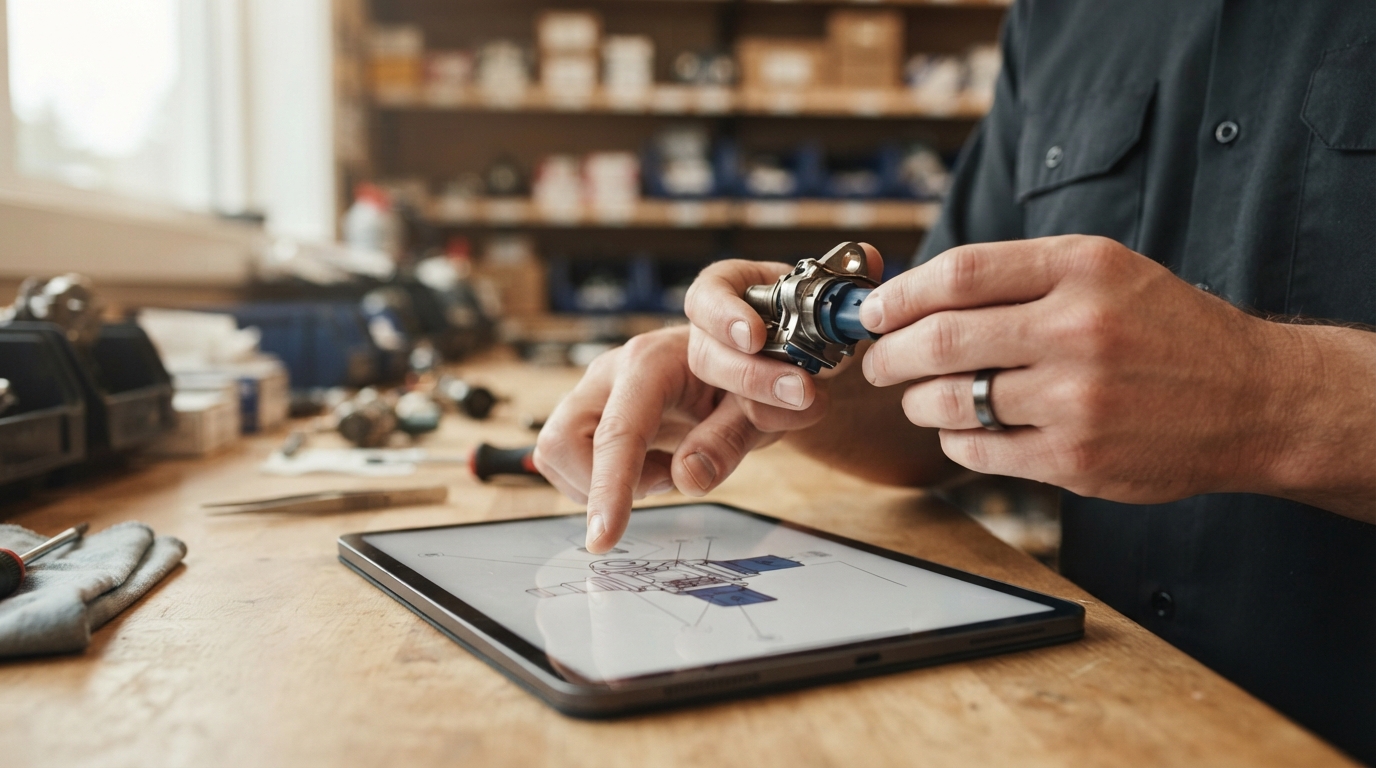
How to open an auto parts store
Opening an auto parts store can look straightforward if you only look at the counter. In practice, the business depends on item cataloging, part compatibility, inventory turnover, and service that can guide the customer without getting the application wrong.
Read case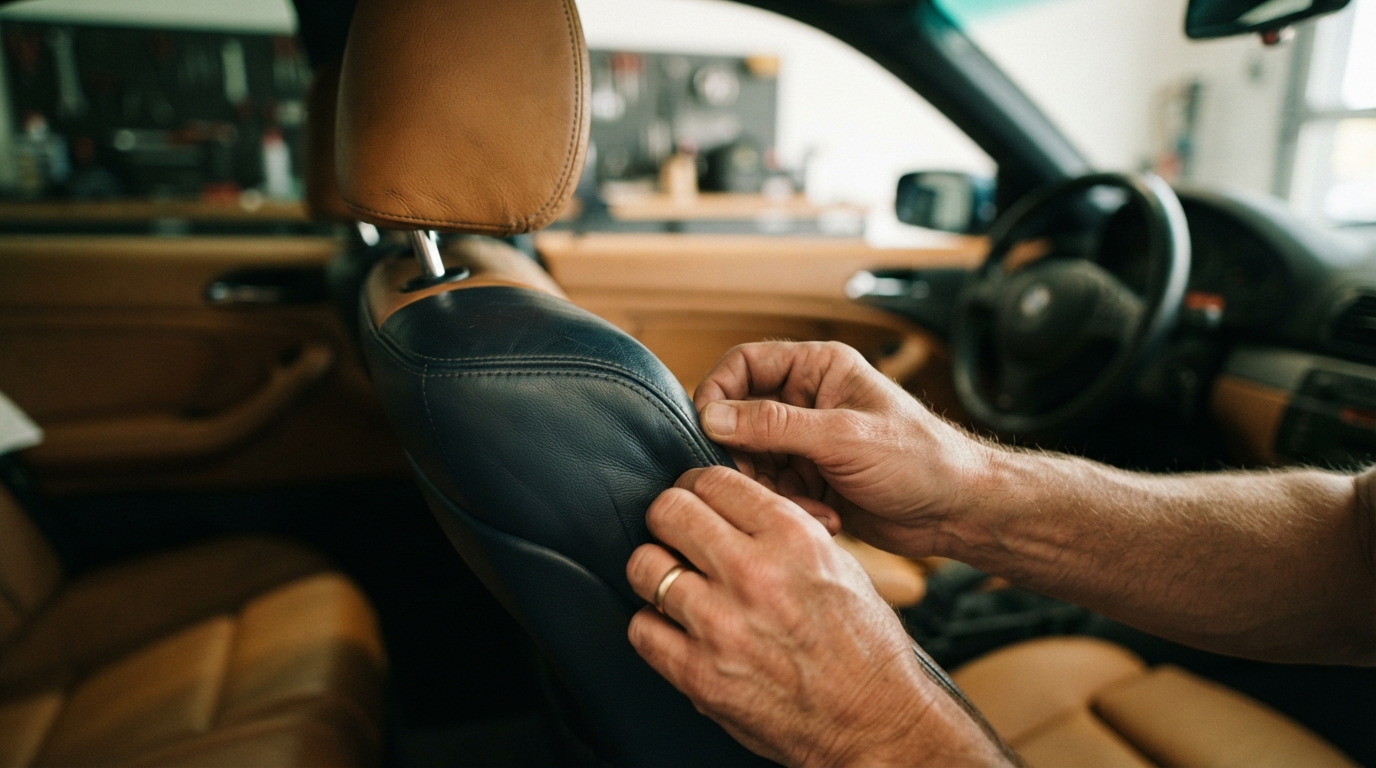
How to open a used car dealership
Opening a used car dealership takes more than picking good inventory. You need to understand where the vehicles come from, how fast they turn, the real margin, the cost of getting them ready, financing, and the level of trust your customer expects before closing a deal.
Read case