
Retail and commerce
Home and decor
Home decor and household goods stores, lighting stores and custom cabinetry stores sell items customers want to see, touch and compare before deciding. Purchases usually follow a move, a renovation or a construction project, and the sales cycle can be long.
The key decision is the sales model: ready-to-ship products, which need inventory and showroom space, or custom projects, which need a technical team, production lead times and installation. Each case below shows what to validate before you invest.
Explore Home and decor businesses
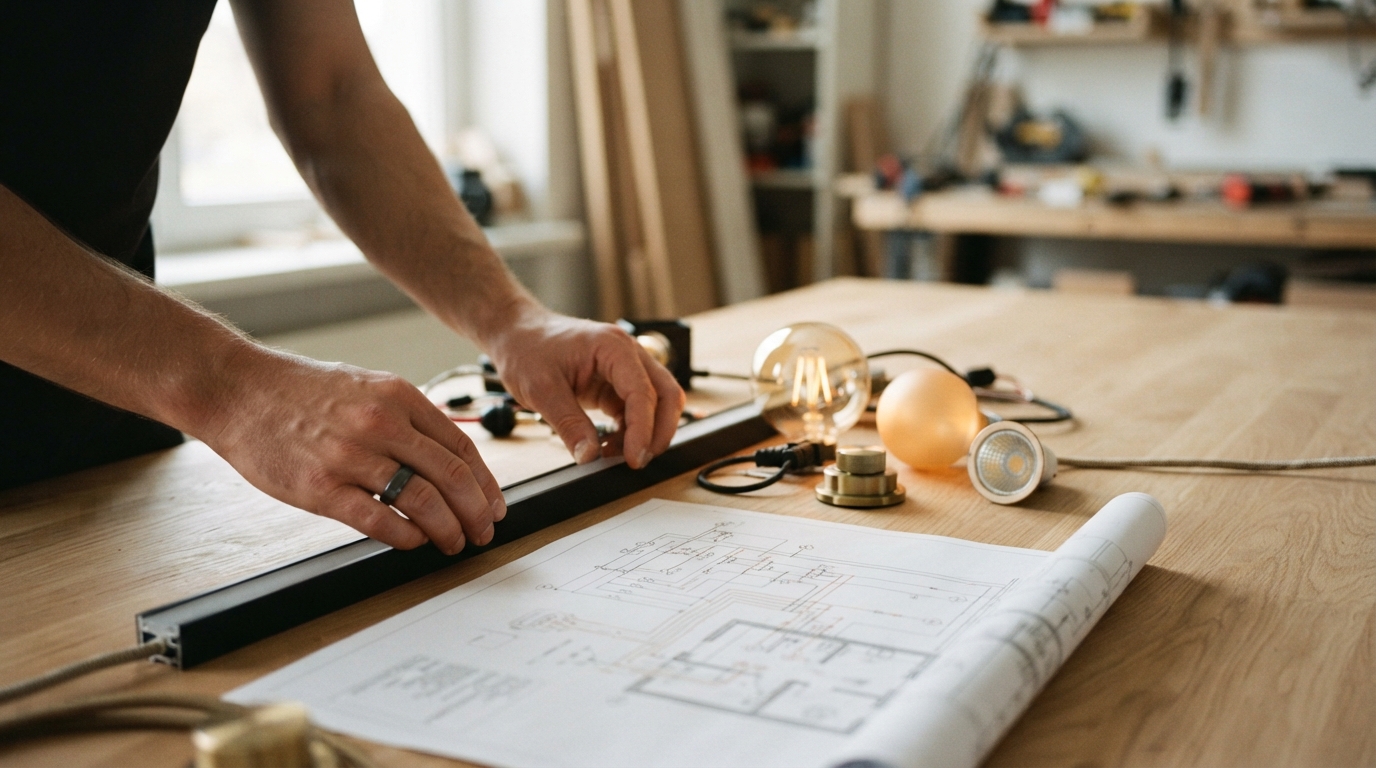
How to open a lighting store
Opening a lighting store sounds straightforward until you separate product sales from guidance. Anyone entering this business has to deal with a wide range of items, technical differences between bulbs, fixtures, and profiles, and purchases that often depend on a project, a renovation, or a move toward energy savings.
Read case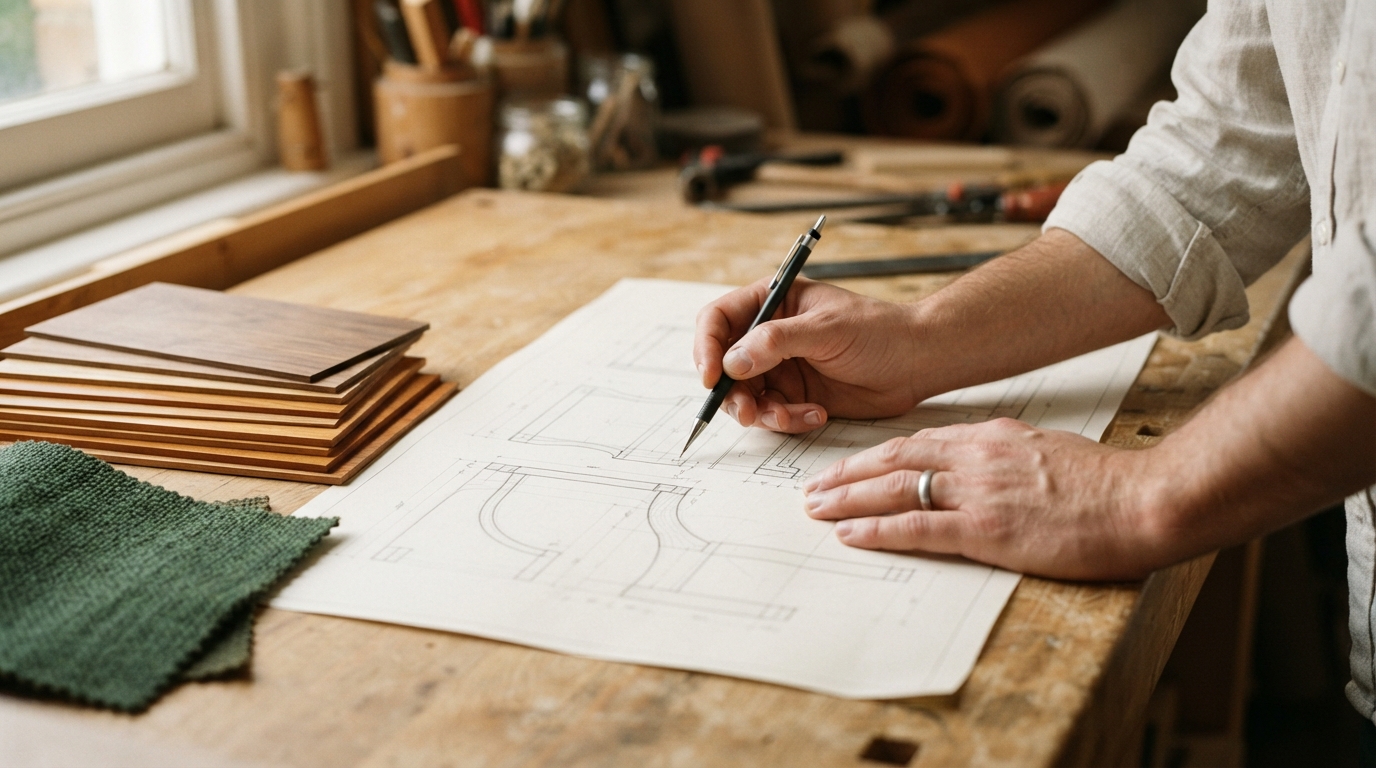
How to open a custom cabinetry store
Opening a custom cabinetry store takes more than choosing a good showroom. You need to understand how you will sell made-to-measure projects, coordinate measuring, approval, production, and installation without losing margin along the way.
Read case
How to open a home decor and household goods store
Opening a home decor and household goods store sounds straightforward until you put on paper what you will sell, who you will sell to, how fast the stock needs to move, and what kind of operation you can actually sustain. This kind of business combines inventory buying, product curation, visual merchandising, and constant replenishment, so the decision is not just about opening the door. It is about building a store that makes sense for your audience and for your capital.
Read case