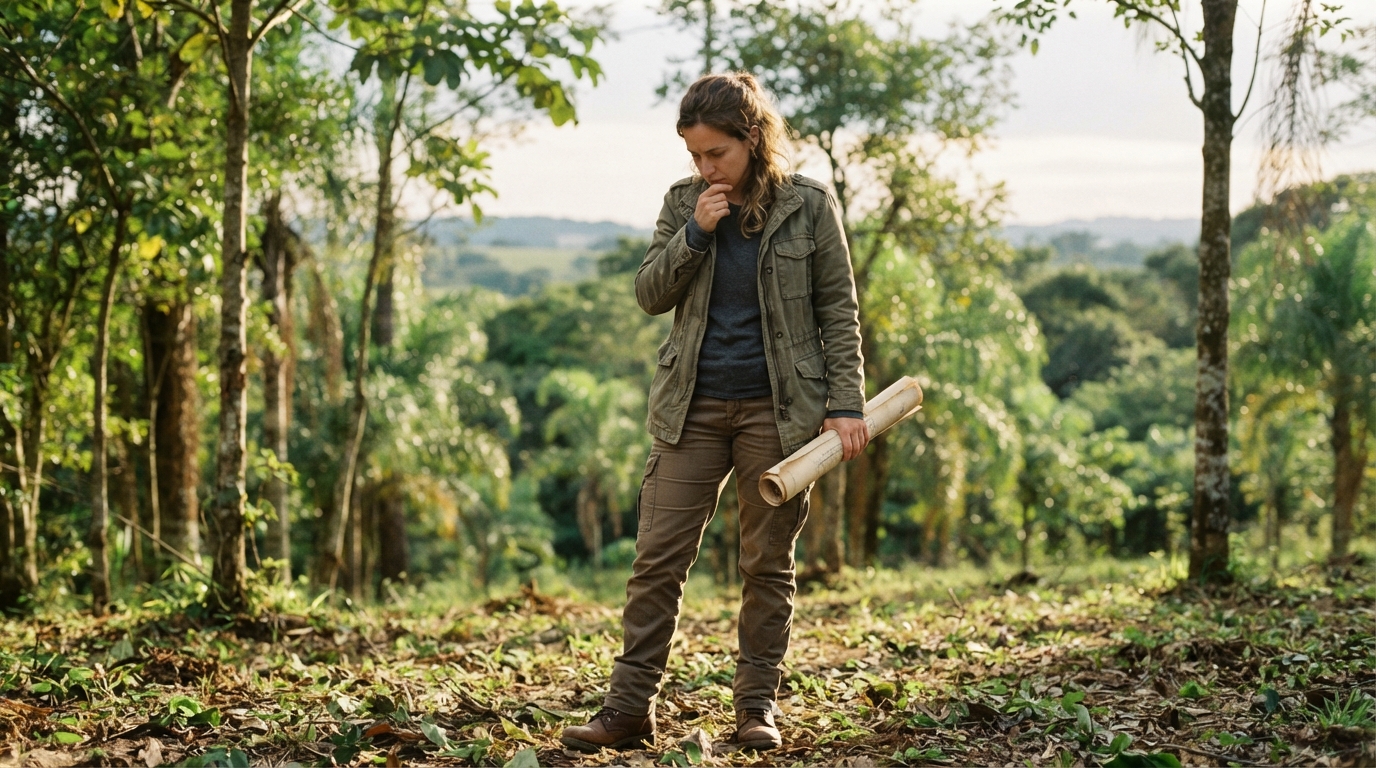
Anyone thinking about opening an outdoor wedding venue needs to look at a business that sells an experience, but depends on very concrete physical structure. Clients notice the photo, but they commit when they understand whether the place can handle the ceremony, reception, guest flow, kitchen support, parking, and a rain plan.
What sets it apart from other event spaces is the dependence on land and seasonality. You are not just renting out a place; you are taking responsibility for comfort, safety, operations, and predictability on a date that cannot fail.
- Date-based events
- Weather dependence
- Physical structure
- Experience-driven sales
What you need to understand before moving forward
Does the land support a complete operation?
You need to check whether the space can handle the ceremony, reception, support areas, guest circulation, restrooms, parking, and vendor access. If each part depends on improvised adjustments, the business gets more expensive, slower, and harder to sell with confidence.
What is the plan for rain and heat?
In an outdoor event, weather is not a detail. You need to decide whether you will have fixed coverage, mobile structures, shaded areas, ventilation, and a clear contingency plan, because clients want to know what happens if the weather changes close to the date.
Is the venue viable for evening events?
Outdoor weddings often depend on lighting, noise control, security, and proper guest exit flow. If the land cannot support operations after sunset, you limit the kind of event you can sell and shrink your market.
Who will handle setup and teardown?
You need to define whether you will operate with your own team, fixed partners, or vendors hired per event. That decision matters because the business changes a lot when the structure needs to be assembled and removed quickly, with stable standards and without damaging the venue.
Which events can the venue actually handle?
Not every property works for every wedding format. It is worth separating what the venue can support comfortably from what only fits at the limit, because party size, ceremony style, and guest count affect pricing, logistics, and reputation.
The critical points of this business
Location
In this business, location is not just an address. You need to assess road access, distance from event-generating hubs, ease of arrival for guests and vendors, plus the impact of neighbors, noise, and land-use restrictions.
Operations
Operations need to work on event days, not just on paper. That includes setup, cleaning, restrooms, power, water, security, entry and exit flow, and coordination between the ceremony, reception, and support services.
Offer
The offer needs to make clear what is included in the venue rental and what is the client’s responsibility. In outdoor weddings, that separation helps avoid conflict around decor, furniture, coverage structures, sound, and behind-the-scenes support.
Regulation
You need to confirm permitted land use, city requirements, environmental rules, permits, and limits for events with an audience. If that foundation is not settled, the risk is not only operational, it is business interruption.
Financials
The financial model should account for investment in land improvements, maintenance between events, temporary staff, structure replacement, and periods without bookings. In this kind of business, the common mistake is to look only at the daily rate and ignore the cost of keeping the venue ready to receive guests.
Channels
Sales usually depend on referrals, relationships with wedding planners, photographers, decorators, and active outreach to brides and families. You need to understand which channels bring events aligned with the venue’s positioning, not just random leads.
What can compromise the business
Choosing a beautiful site that is hard to operate
A visually attractive venue can hide problems with access, drainage, power, parking, and guest flow. If operations break down on the event day, the business image drops and referrals disappear.
Depending on improvised coverage
In an outdoor wedding, the lack of a consistent solution for rain or strong sun undermines both sales and delivery. Clients do not buy uncertainty; they buy a date with a clear execution plan.
Underestimating support infrastructure
Restrooms, a prep kitchen, loading and unloading areas, lighting, and cleaning do not show up in photos, but they define the experience. When these are treated as details, the venue loses consistency and rework increases.
Selling events above real capacity
Accepting celebrations larger than the land can handle creates pressure on circulation, comfort, and safety. The problem is not just crowding; it is the sum of small limits that show up all at once on the event day.
Turn these questions into decisions
In this kind of business, a good decision comes when you turn the land, the operation, and the offer into a testable plan. That is what keeps you from buying a venue that looks promising but does not work in practice.
Business Scope
It helps define whether your venue will sell only land rental, a ceremony-and-reception package, or a more complete offer. That organizes the problem you solve, the audience you want to serve, and what needs to be validated before moving forward.
Market Intelligence
It is used to structure your reading of demand, client profile, and the competitive environment. Here you understand what kind of wedding the local market can support, which event standards make sense, and which bets are riskier.
Operational Plan
It supports the design of how the venue works, from setup to teardown, including vendors, structure, staff, and service channels. It is the stage that connects what you promise with what you can actually deliver.
Financial Modeling
It turns venue decisions into numbers for investment, preparation costs, recurring expenses, and cash flow. This is where you test whether the model works before committing capital to construction, structure, and operations.
Before investing, you should know
- Does the land already have proper access for guests, vendors, and service vehicles?
- What adjustments will be needed to host the ceremony, reception, restrooms, and operational support?
- What structure will you use for rain, strong sun, and evening events?
- What kind of event can the venue handle comfortably, and what kind should it not sell?
- Which permits, approvals, and land-use restrictions need to be resolved before the first booking?
- How much does it cost to get the venue ready for each event, including setup, cleaning, and maintenance?
- Where will the first bookings come from, and which partners can refer events that fit your format?
Sua ideia merece mais do que um palpite. Estruture o negócio, teste suas premissas e entenda se ele faz sentido antes de comprometer tempo e dinheiro.
Planejar meu negócio no Vibz