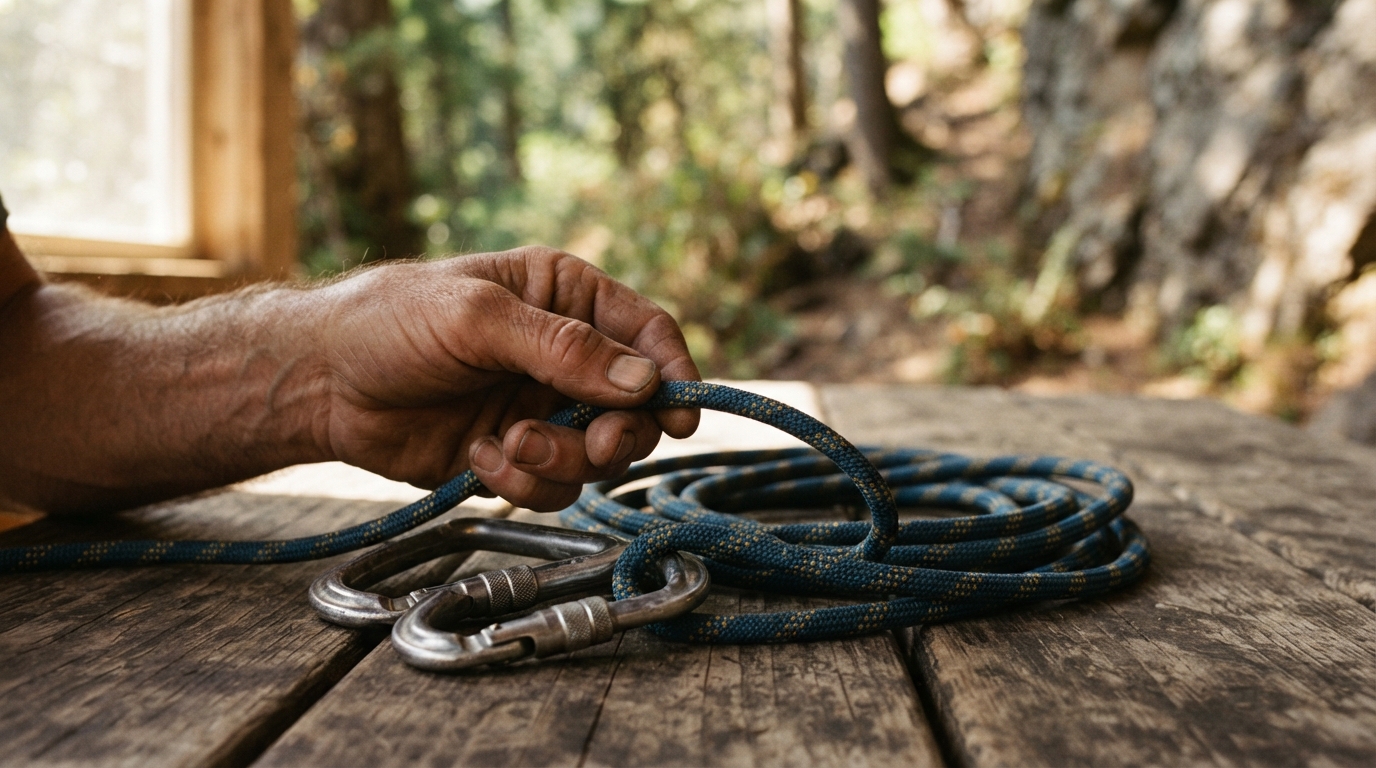
An adventure sports center runs on experience sales, risk management, and field operations. That changes everything: the offer has to be safe, clear, and workable on the land you have, not just appealing on paper.
Before investing, it helps to understand whether your project depends more on location, permits, specialized staff, or physical structure. In many cases, the mistake is not the idea itself, but underestimating the cost of preparing the environment, standardizing procedures, and keeping the operation reliable.
- outdoor activity
- operational risk
- trained team
- physical structure
What you need to understand before moving forward
Which activities fit the land
You need to list which activities can actually be done in the available space, with safety and flow that match the area. Zip lines, canopy courses, climbing, guided trails, and kids’ circuits all require different structures and routines; mixing everything without criteria usually raises setup costs and makes operations harder.
What level of risk are you willing to take on
Each activity calls for a different standard of protection, supervision, and responsibility. Before moving ahead, define how far you want to go with higher-exposure activities, because that affects the design, training, insurance, signage, and even the type of customer you can serve.
Who is the main customer
You need to decide whether you’ll serve families, schools, corporate groups, tourists, or repeat participants. Each audience buys for a different reason, tolerates different wait times, and requires a different way of selling, booking, and guiding the experience.
Does the operation depend on weather
In adventure sports, rain, strong wind, and extreme heat can affect scheduling, safety, and satisfaction. It’s worth mapping which activities stop, which can be adapted, and how you’ll communicate rescheduling, refunds, or activity changes without throwing the cash flow off balance.
Do you have a team for safe guidance
It’s not enough to hire generic monitors. You need to know who will operate equipment, brief customers, inspect structures, and act in emergencies, because team quality has a direct impact on how safe people feel and how likely they are to come back.
Will the experience rely on repeat visits or one-off outings
This business can live on occasional visits, but it can also depend on packages, events, and closed groups. Before investing, define whether revenue will come from spontaneous traffic, advance bookings, or third-party contracts, because that changes how predictable the operation will be.
The critical points of this business
Market
You need to understand whether there is enough demand for active leisure in your region and what kind of adventure the public already sees as valuable. The point is not just to have traffic, but to attract people willing to pay for an activity that requires trust and some preparation.
Offer
The offer needs to be clear and compatible with the land’s capacity. In an adventure sports center, a confusing catalog usually creates wrong expectations, increases risk, and makes selling harder; it’s better to start with a few activities that are well operated.
Operations
Operations need to account for setup, inspection, briefing, supervision, weather-related pauses, and equipment maintenance. If these steps are not designed before opening, the experience becomes inconsistent and safety starts to depend on improvisation.
Location
Here, location is not just an address. You need to evaluate access, visibility, ease of arrival for groups, parking space, support areas, and the land’s actual conditions for receiving people with comfort and control.
Regulation
This kind of business often depends on licenses, land-use rules, safety requirements, and activity-specific documentation. Before investing, confirm what each activity requires and what the site allows, so you don’t build an operation that later has to be taken apart.
Financials
The financial plan needs to separate investment in structure, equipment, maintenance, staff, and a reserve for low-demand periods. Without that, the business can look viable at launch and then feel tight once it starts operating on an irregular calendar.
What can compromise the business
Choosing activities that don’t fit the land
When the activity is planned before reading the space properly, construction grows, operations get harder, and risk rises. Check whether the land can support the proposal safely, with good circulation and maintenance, before locking in the mix of experiences.
Underestimating the safety routine
In adventure sports, safety is not a launch detail, it’s part of the product. If briefing, inspection, equipment use, and incident response are not standardized, the experience loses credibility and the operation becomes exposed.
Building an offer that is too broad
Trying to open with too many activities usually spreads investment and staff too thin. The safer path is to validate a few activities with strong execution, because every new attraction adds training, maintenance, and control requirements.
Depending on weather without a contingency plan
If the business has no alternative for unsuitable days, the schedule becomes unstable and revenue swings more than it should. Before investing, define what can be rescheduled, what can be covered, and how to keep part of the operation active in poor conditions.
Selling the experience without defining the priority audience
When the center tries to speak to everyone, the communication becomes generic and the operation loses focus. Families, schools, tourists, and corporate groups have different expectations, and that affects pricing, scheduling, safety, and service format.
Turn these questions into decisions
The decisions in this business depend on understanding the land, the audience, and the structure before spending on installation. That’s what keeps you from opening a center that looks good on paper but is hard to operate in practice; Vibz organizes that analysis so you can turn the idea into a plan.
Business Scope
It helps you define which activities belong in the project, what leisure or experience problem the center solves, and which bets need to be validated before construction.
Market Intelligence
It organizes your reading of the audience, competitors, and entry strategy, so you can decide which type of customer makes sense to serve and how to position the offer without relying on guesswork.
Operational Plan
It structures the center’s operations, from activity design to the use of staff, suppliers, service channels, and safety routines, before any hiring or purchase.
Financial Modeling
It turns project decisions into numbers, so you can estimate investment, operating costs, working capital, and viability scenarios before committing capital.
Before investing, you should know
- Which activities can you operate safely on the land you have today?
- What licenses, permits, and safety requirements will each activity need?
- How much will it cost to prepare the space to receive customers with control and comfort?
- How many visits per month do you need to support the structure you want to build?
- What part of revenue will depend on good weather, and what can be sold in advance?
- Who will be responsible for guiding activities and inspecting equipment?
- Will your main audience come for individual outings, closed groups, or contracted events?
Sua ideia merece mais do que um palpite. Estruture o negócio, teste suas premissas e entenda se ele faz sentido antes de comprometer tempo e dinheiro.
Planejar meu negócio no Vibz