
Food and gastronomy
Healthy and specialty food
Açaí shops, vegan restaurants, natural and bulk food stores and gluten-free and lactose-free stores sell to customers who choose by product and come back when quality holds. Many have dietary restrictions and need to trust where the food comes from and how it is prepared.
The key decision is the format: eating in, take-home products or delivery, each with different inventory, staffing and control of perishables. Each case below shows what to validate in location, suppliers and product mix before you invest.
Explore Healthy and specialty food businesses
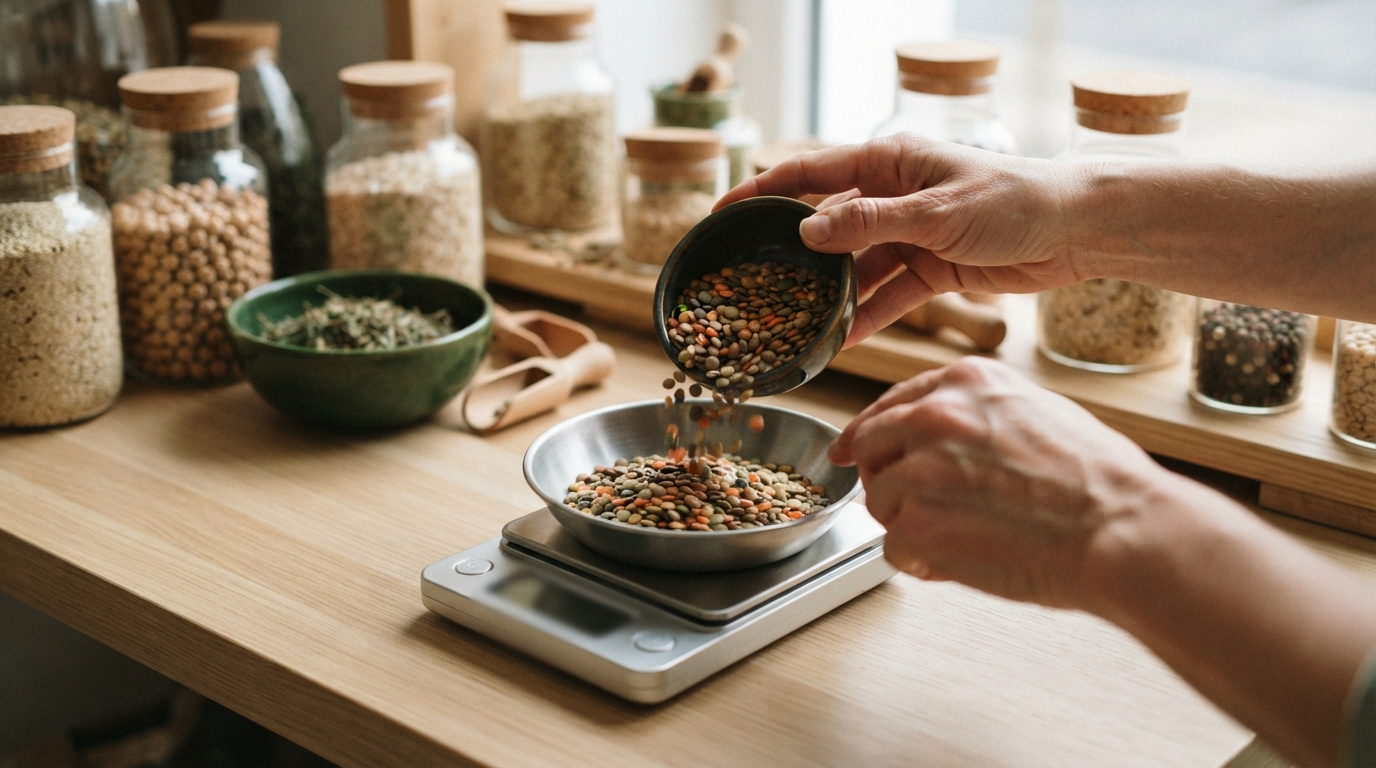
How to open a natural and bulk foods store
Opening a natural and bulk foods store sounds simple until you separate what looks good on the shelf from what actually works in daily operations. The business depends on a well-chosen product mix, loss control, portion standardization, and buying in a way that matches real neighborhood demand.
Read case
How to open a vegan restaurant
Opening a vegan restaurant takes more than believing the market is growing. You need to decide whether you’ll focus on executive lunch, à la carte, buffet, or delivery, because each format changes purchasing, production, staffing, and margin.
Read case
How to open a gluten-free and lactose-free specialty store
Opening a gluten-free and lactose-free specialty store takes more than putting together a mix of “healthy” products. You need to understand who buys because of dietary restrictions, who buys by preference, and how to build an assortment that makes sense without tying up too much capital in slow-moving stock.
Read case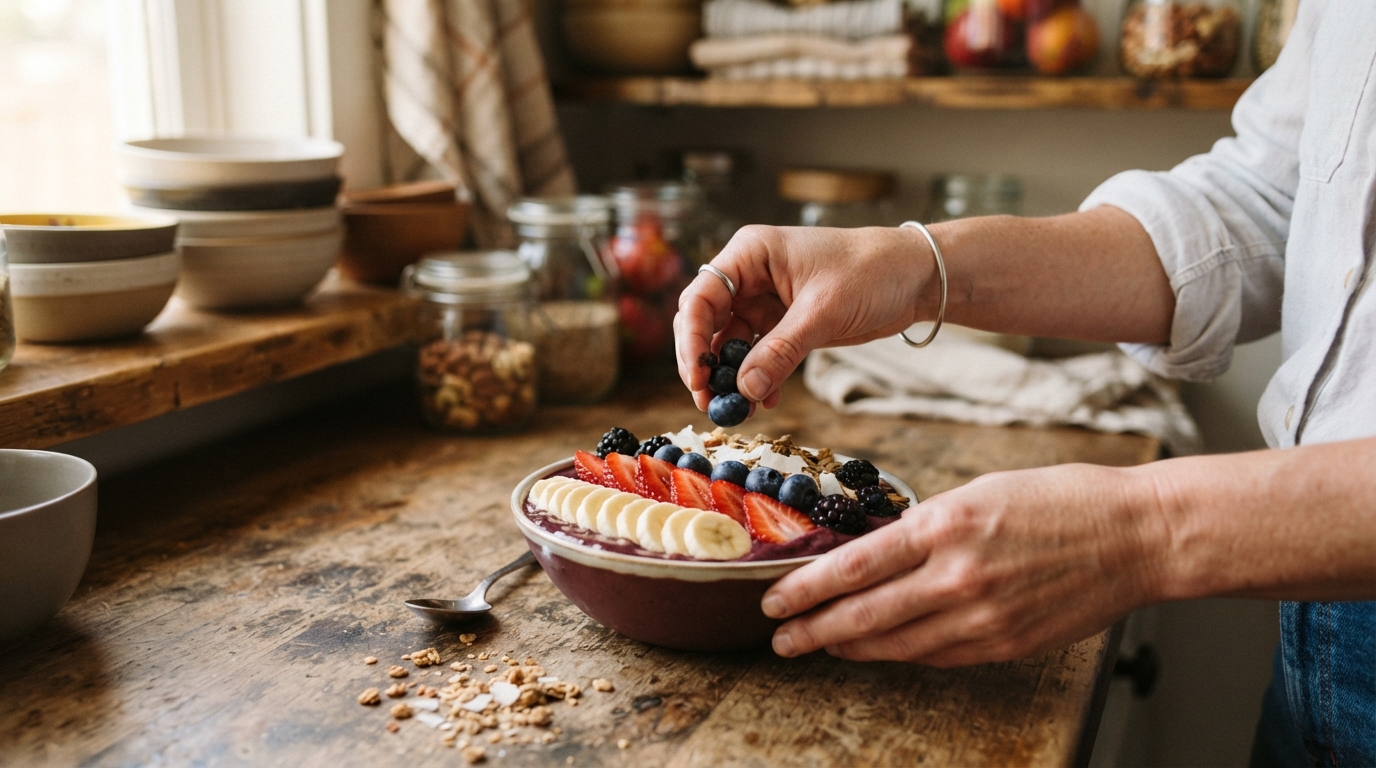
How to open an açaí shop
Opening an açaí shop sounds straightforward until you separate impulse buying from the reality of running a cold-food operation, with inventory turnover, seasonality, and a consistent assembly standard. Before investing, it helps to understand where the real decision points are: menu, location, storage, service flow, and the minimum volume needed for the operation to make sense.
Read case