
Use cases
Food and gastronomy
Food businesses draw many first-time founders, and they are among the businesses that demand the most planning. Burger joint, bakery, coffee shop, dark kitchen or produce market: in every case, the outcome depends on decisions made before the first investment, such as location, menu, staff and enough cash to get through the first months.
The cases below are organized by type of operation. Each one shows what to evaluate, where this kind of business usually goes wrong and what needs to be clear before you sign a lease or buy equipment.
Once you have chosen your idea, Vibz helps you turn these questions into a plan, with the market, the operation and the numbers of your own case.
Categories
Bakeries and pastry shops
Bakeries, artisanal bakeries, pastry shops, sweet shops and cake shops combine production and sales in the same place. Results depend on producing the right amount every day: leftovers become waste, and shortages become customers who don't come back. The key decision is the production model: full in-house baking, a short list of specialties or made-to-order sales. Each case below shows what to validate in location, production staff and product mix before you invest.
Bars and snack bars
Burger joints, snack bars, ice cream shops and food trucks have low ticket sizes and high volume in common. The business holds up when traffic is steady and the operation handles peak hours without waste. That is why the most important decision is rarely the recipe. It is where and how you sell: fixed or mobile, counter or delivery, short or broad menu. Each case below shows what to validate in this kind of business before you invest.
Coffee shops
Coffee shops, specialty coffee shops, cafés with coworking and coffee kiosks sell the same drink with very different models. In some, customers spend a few minutes at the counter; in others, they stay at a table for hours. That changes the size of the space, the staff and the food menu. So the key decision is how long customers stay and how much they spend in that time. Each case below shows what to validate in location, foot traffic and product mix before you invest.
Delivery and dark kitchens
Dark kitchens, specialized delivery businesses, meal prep businesses and subscription kitchens skip the dining room, but not the planning. Without street traffic, sales depend on apps, your own channels or a base of repeat customers. The key decision is how customers will reach you and what each delivered order really costs, since platform fees, packaging and delivery weigh on every dish. Each case below shows what to validate in menu, sales channels and logistics before you invest.
Food retail
Butcher shops, produce markets, convenience markets and wine and spirits shops live on repeat neighborhood purchases. Customers come back every week when they find fair prices, variety and fresh products, and switch stores quickly when they don't. The key decision is inventory: what to buy, how much and how often, without running out or losing stock that sits or expires. Each case below shows what to validate in location, suppliers and turnover before you invest.
Healthy and specialty food
Açaí shops, vegan restaurants, natural and bulk food stores and gluten-free and lactose-free stores sell to customers who choose by product and come back when quality holds. Many have dietary restrictions and need to trust where the food comes from and how it is prepared. The key decision is the format: eating in, take-home products or delivery, each with different inventory, staffing and control of perishables. Each case below shows what to validate in location, suppliers and product mix before you invest.
Restaurants
Traditional restaurants, buffet-by-weight restaurants, business lunch restaurants, themed restaurants and pizzerias compete for the same customer with different offers. Each format sets the peak hours, kitchen size, staff and how much of revenue goes to ingredients. So the key decision is the format, before the menu: a quick weekday lunch, a dinner experience or a mixed model with delivery. Each case below shows what to validate in location, kitchen and staff before you invest.
How to open a natural and bulk foods store
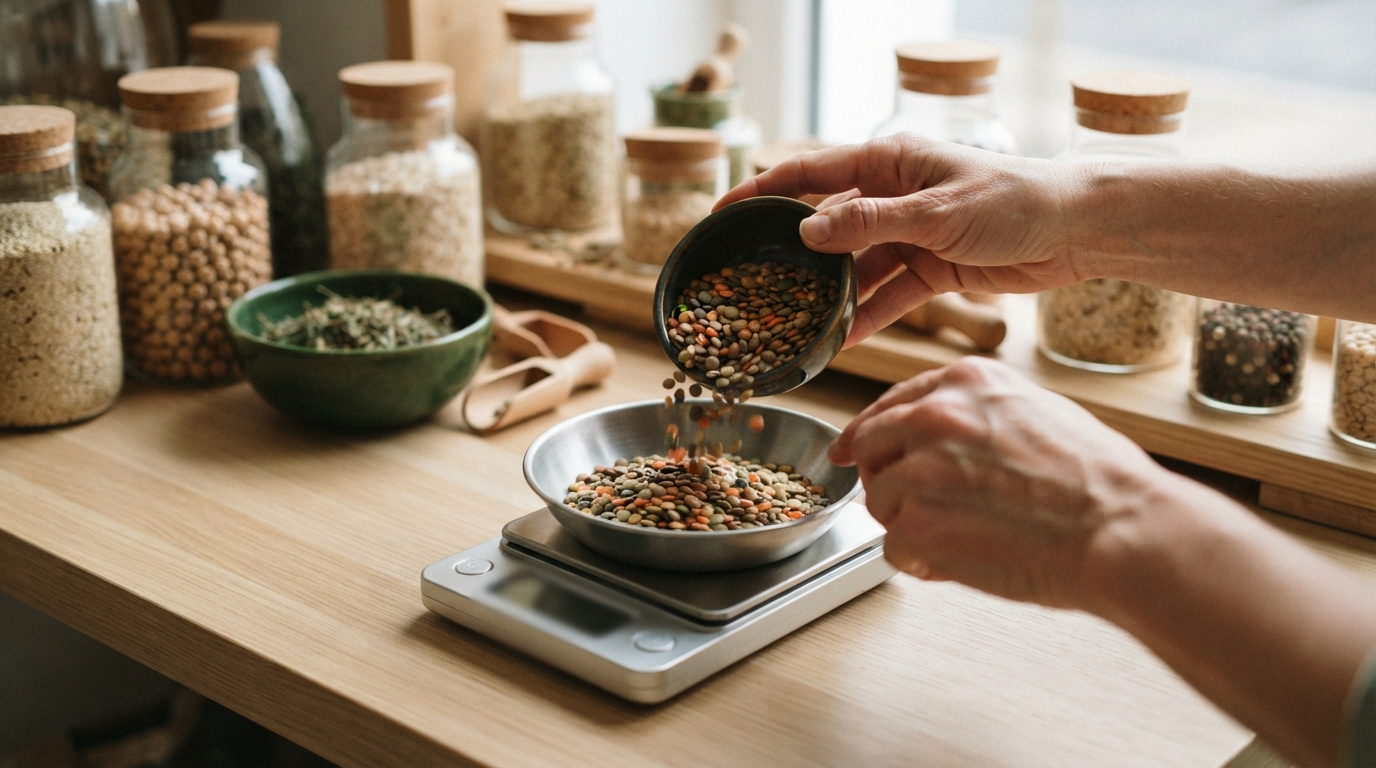
Opening a natural and bulk foods store sounds simple until you separate what looks good on the shelf from what actually works in daily operations. The business depends on a well-chosen product mix, loss control, portion standardization, and buying in a way that matches real neighborhood demand.
Read case
How to open a vegan restaurant
Opening a vegan restaurant takes more than believing the market is growing. You need to decide whether you’ll focus on executive lunch, à la carte, buffet, or delivery, because each format changes purchasing, production, staffing, and margin.
Read case
How to open a gluten-free and lactose-free specialty store
Opening a gluten-free and lactose-free specialty store takes more than putting together a mix of “healthy” products. You need to understand who buys because of dietary restrictions, who buys by preference, and how to build an assortment that makes sense without tying up too much capital in slow-moving stock.
Read case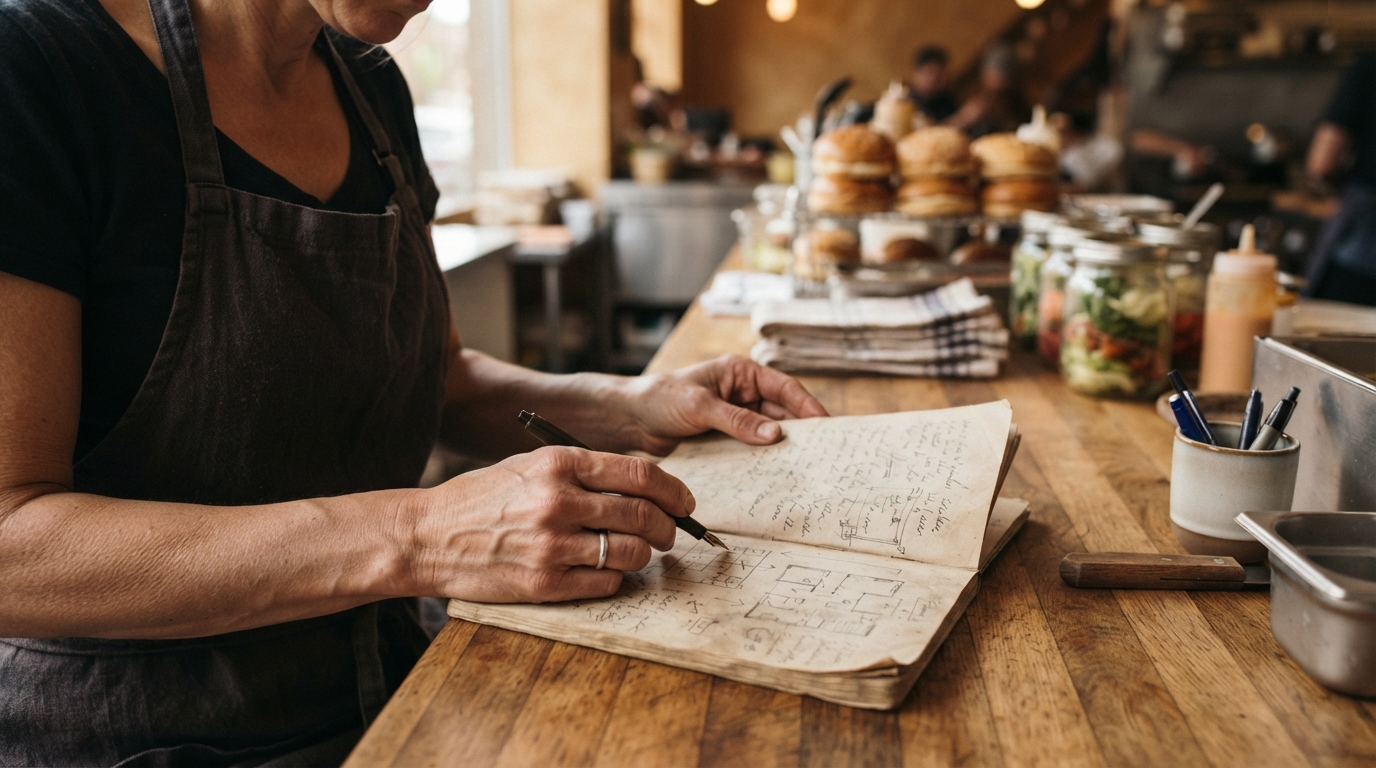
How to open a burger joint
Opening a burger joint sounds straightforward until you separate menu appeal from the reality of day-to-day operations. The business depends on decisions about production, delivery standards, speed, waste, and repeat sales, and that is what determines whether it becomes a consistent operation or just a weekend rush.
Read case
How to open an açaí shop
Opening an açaí shop sounds straightforward until you separate impulse buying from the reality of running a cold-food operation, with inventory turnover, seasonality, and a consistent assembly standard. Before investing, it helps to understand where the real decision points are: menu, location, storage, service flow, and the minimum volume needed for the operation to make sense.
Read case
How to open a convenience market
Opening a convenience market may look simple at first glance, but the real numbers depend on stock turnover, product mix, restocking routine, and location choice. Before buying shelves and setting up the operation, you need to understand how people in the area buy and how much organization the business will require from day one.
Read case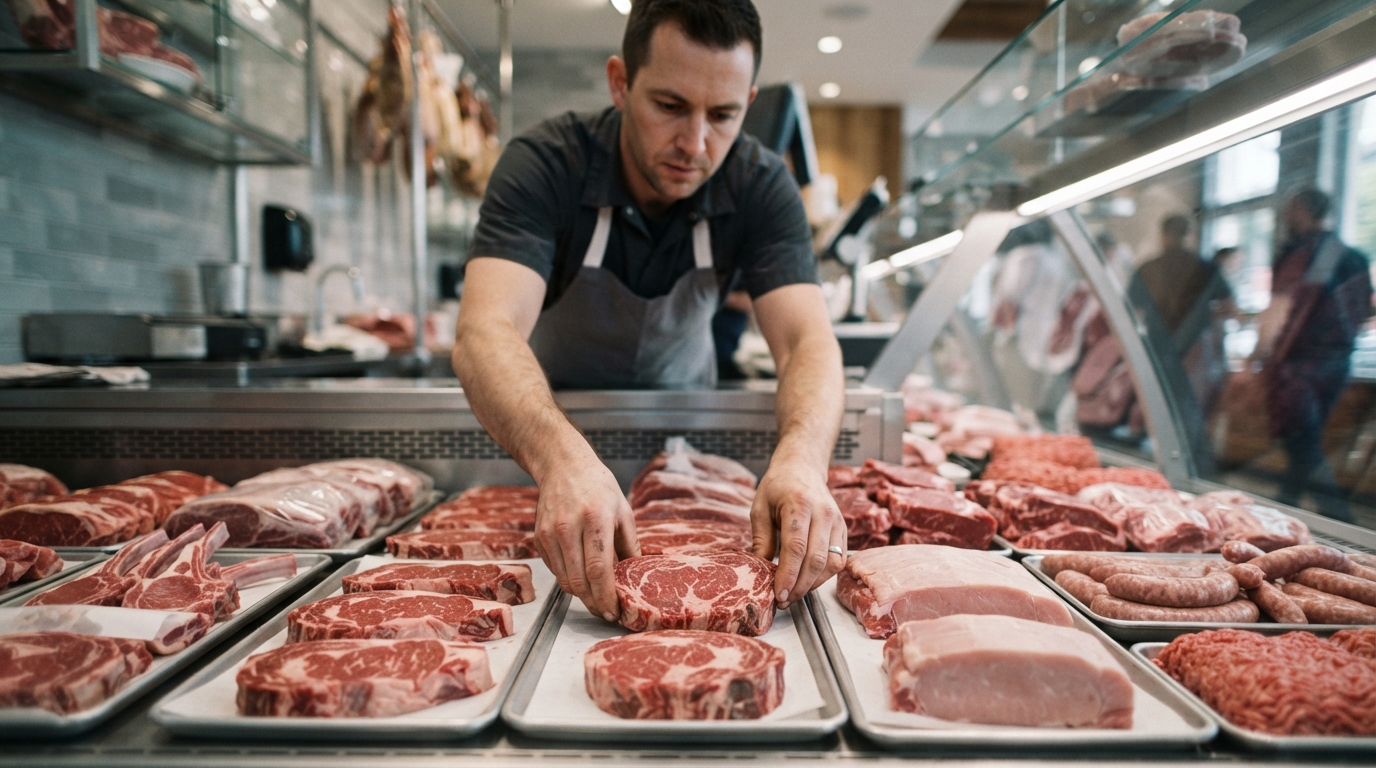
How to open a butcher shop
Opening a butcher shop takes more than choosing a busy location. You need to understand margin, shrink, the cold chain, your cut mix, and buying routines, because that is what determines whether the operation stays organized or turns into a daily squeeze.
Read case
How to open an ice cream shop
Opening an ice cream shop seems simple until you separate what looks good on the shelf from what really works in day-to-day operations. The business depends on a well-positioned product, control over perishability, the right choice between making your own and reselling, and a location that combines foot traffic with impulse buying.
Read case
How to open a snack bar
Opening a snack bar sounds straightforward until you have to decide what you will sell, how you will produce it, where you will operate, and how much you need to sell each day for the business to hold up. Before investing, it helps to understand whether your model depends on volume, fast turnover, or a lean operation, because that choice changes everything in the plan.
Read case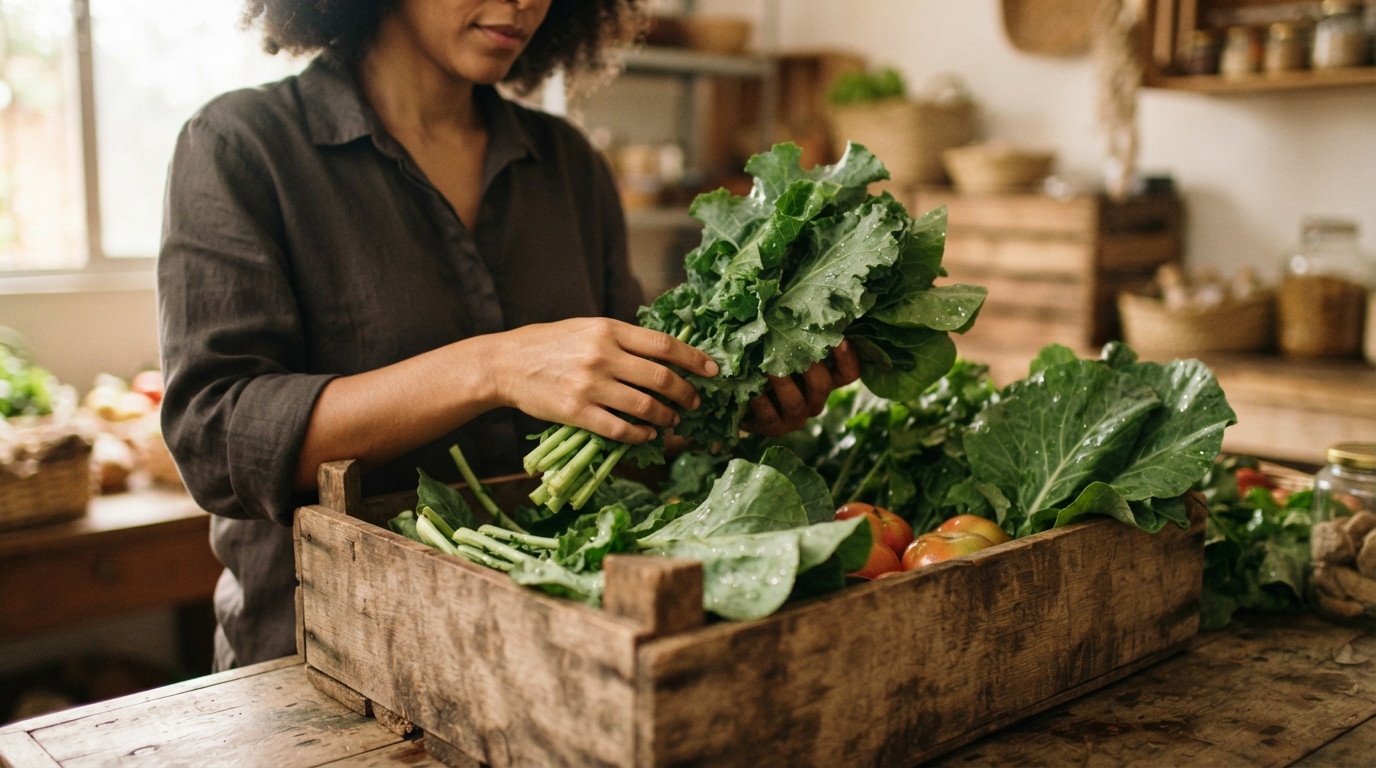
How to open a produce market
Opening a produce market sounds straightforward until you separate what sells well from what spoils quickly, understand turnover by category, and choose a location that makes sense for restocking and convenience. Before investing, you need to know whether your surroundings buy often enough to support losses, tight margins, and the day-to-day operation.
Read case
How to set up a food truck
Opening a food truck can seem straightforward if you only look at the vehicle and the menu. In practice, you need to decide where you’ll operate, how you’ll produce with limited space, and how you’ll keep sales moving on days and at times that change quite a bit.
Read case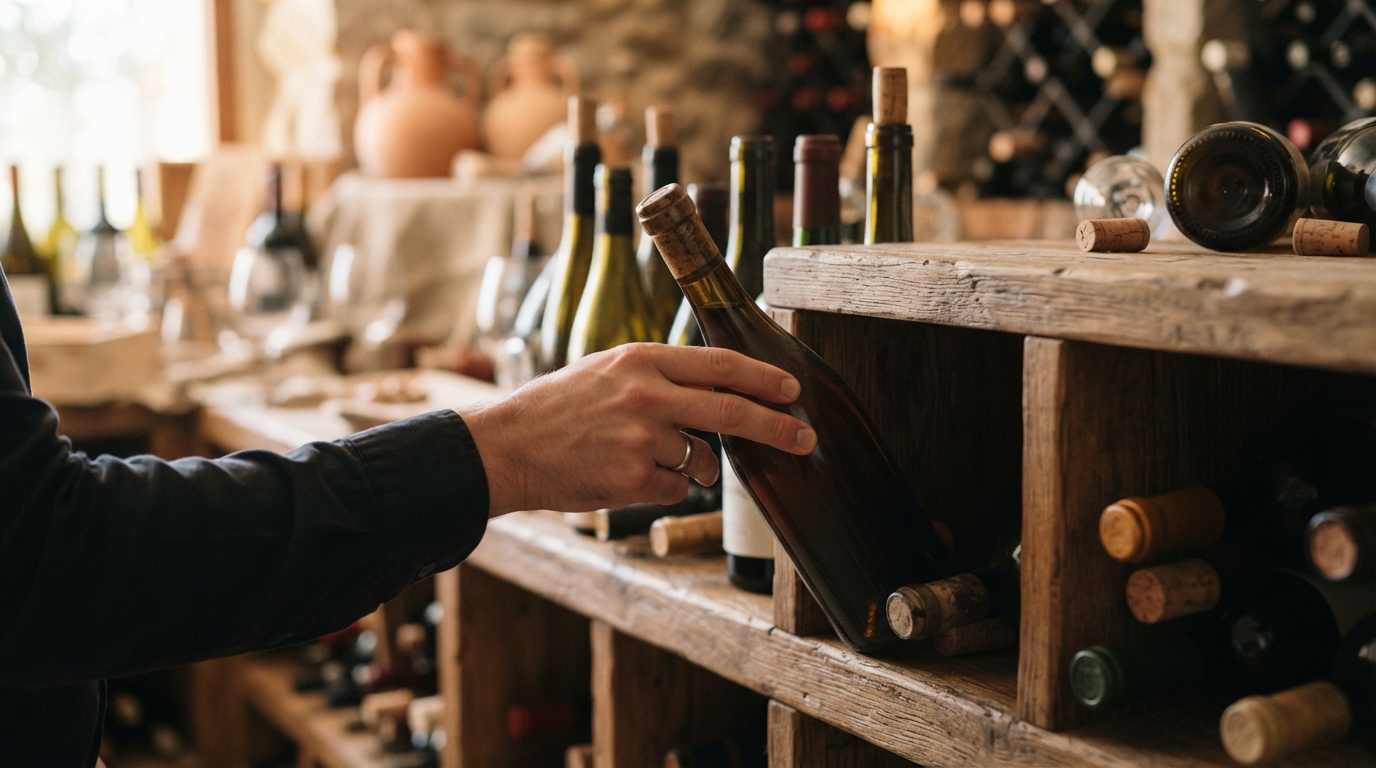
How to open a wine and spirits shop
Opening a wine and spirits shop sounds straightforward until you separate convenience retail from alcohol operations. The business depends on product mix, opening hours, turnover, inventory control, and the surrounding area, because the outcome changes a lot between a residential street, a through-traffic corridor, and a neighborhood with strong nighttime demand.
Read case