
Food and Gastronomy
Bakeries and Pastry Shops
Bakeries, cafes, restaurants and food businesses.
Explore Bakeries and Pastry Shops businesses
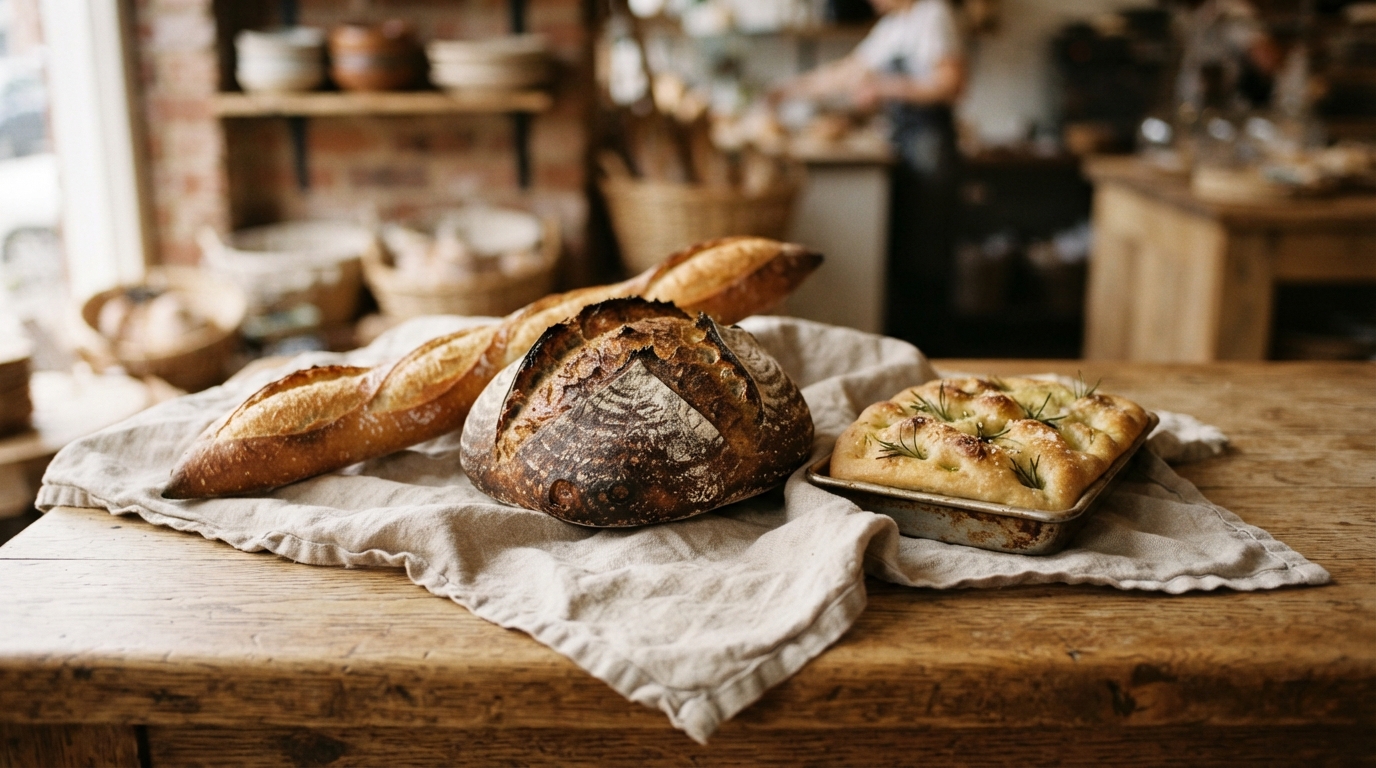
How to open an artisanal bakery
Opening an artisanal bakery seems, at first glance, like a product decision. In practice, it is a decision about production rhythm, short shelf life, neighborhood demand, and the ability to sell well what comes out of the oven several times a day.
Read case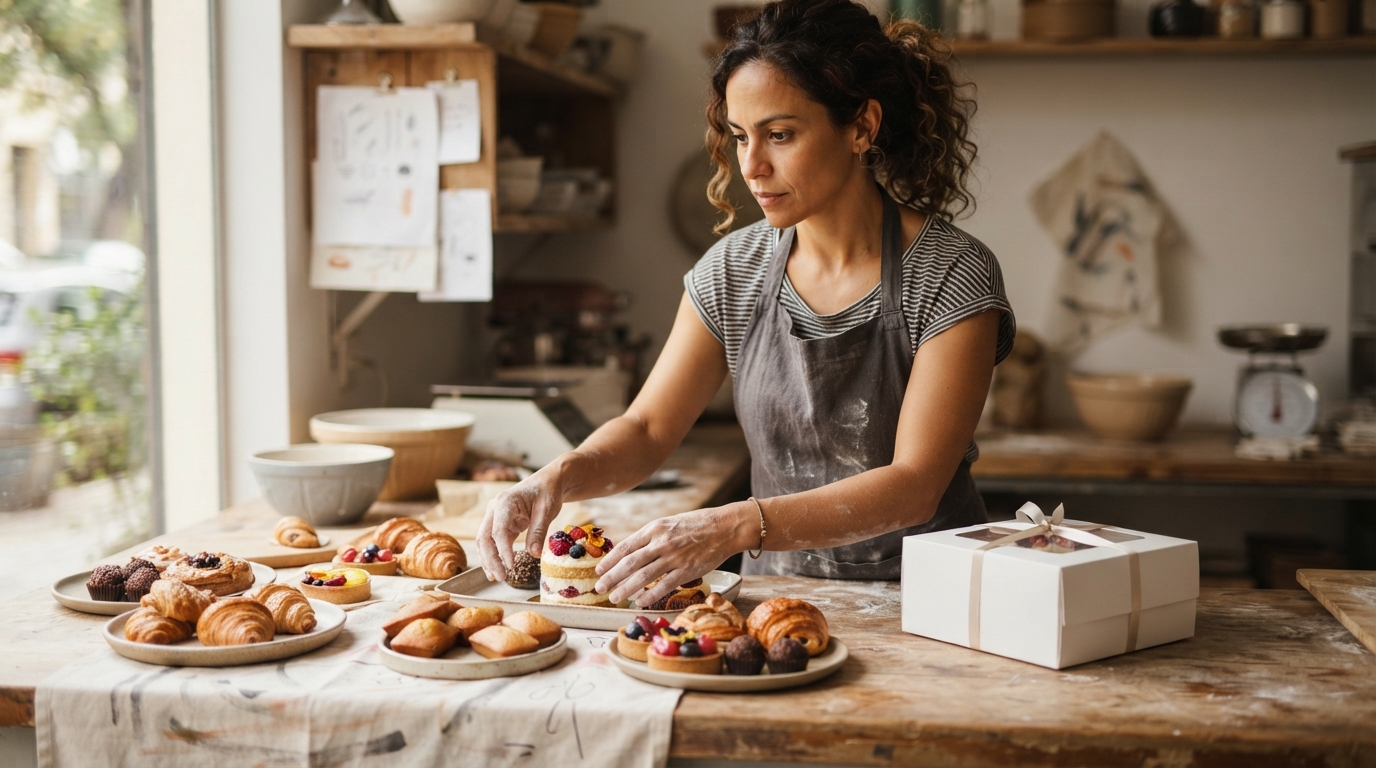
How to Open a Cake Shop
Opening a cake shop sounds simple until you separate impulse buys, custom orders, and what needs to leave the display every day. This business depends on turnover, production control, and a clear read of the neighborhood or channel where you plan to sell.
Read case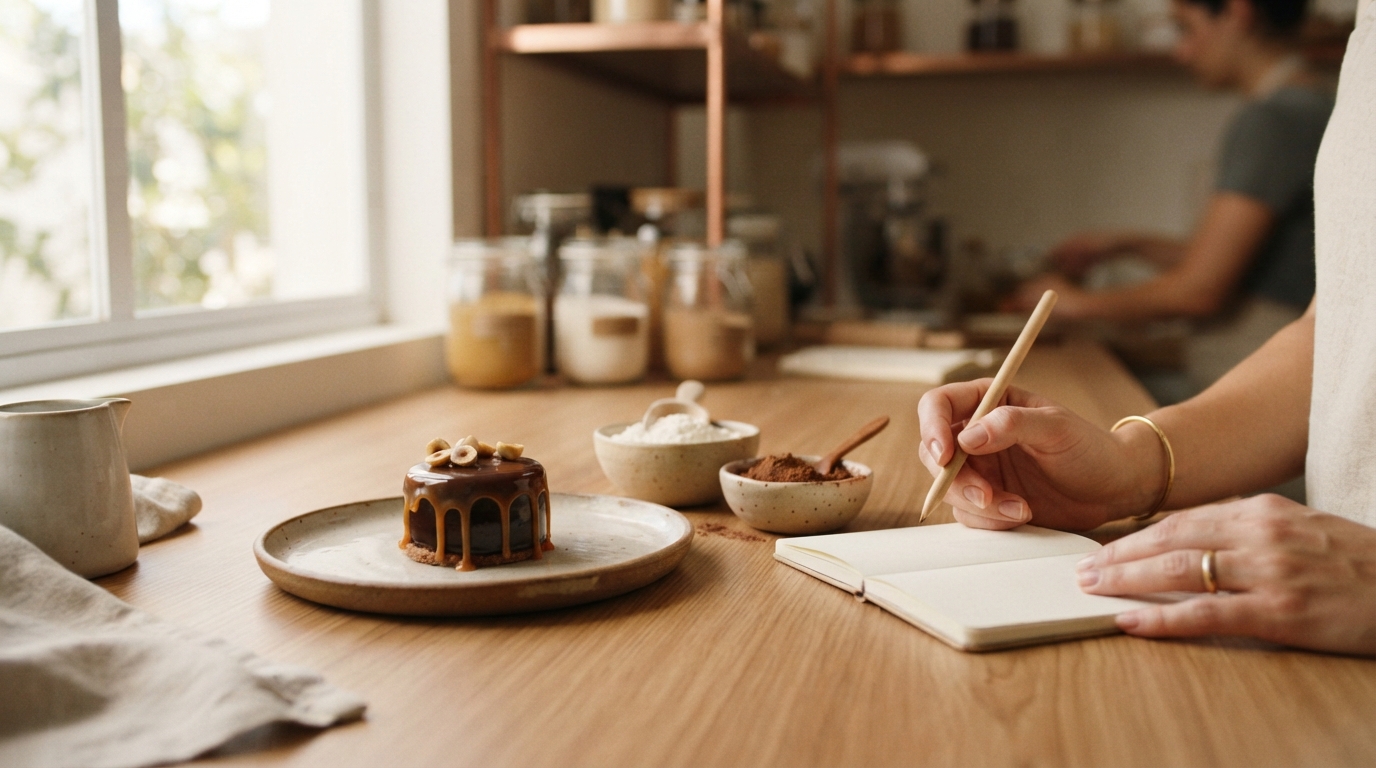
How to open a pastry shop
Opening a pastry shop sounds straightforward until you separate what sells well from what takes real effort, and what can be made to order from what needs to be ready in the display case every day. Before investing, you need to decide which kind of production will keep the business running, how you will sell, and what has to happen so the operation does not depend on improvisation.
Read case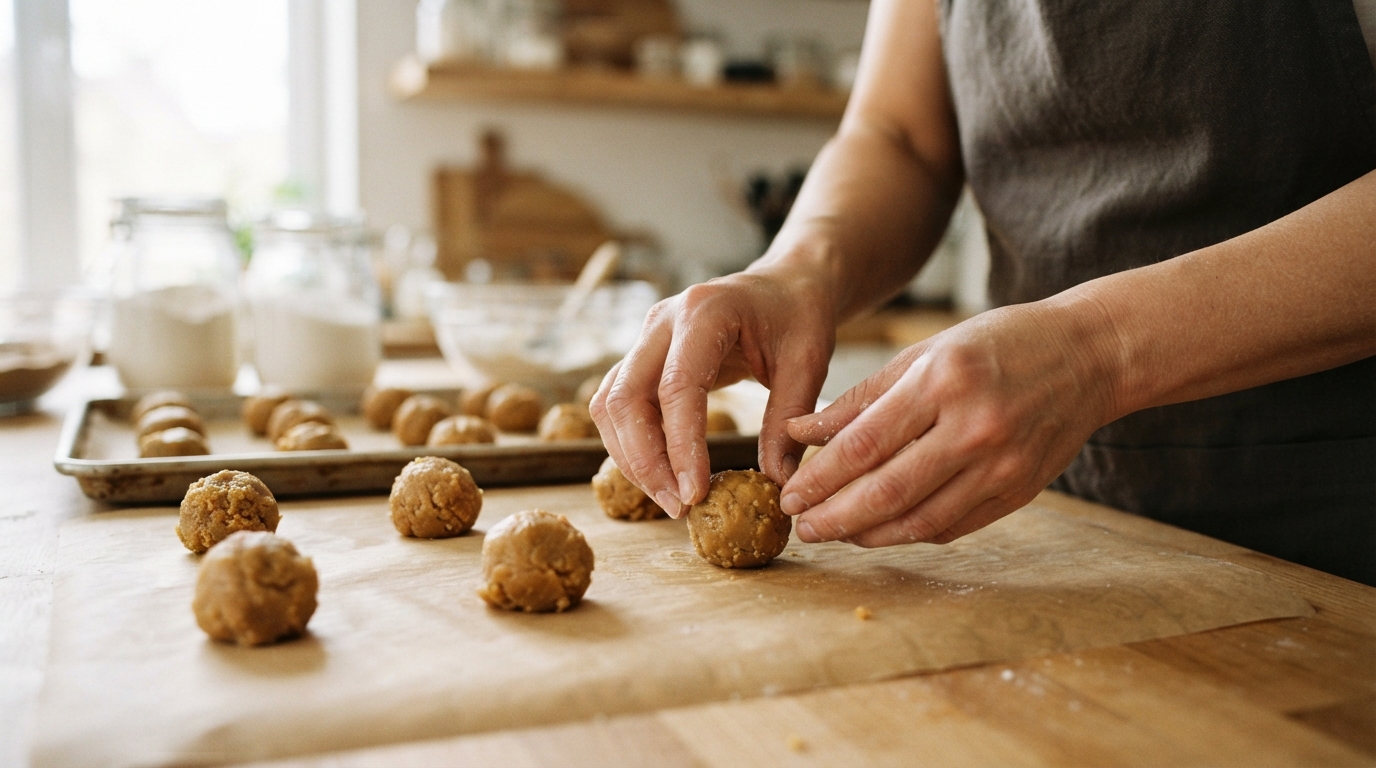
How to open a sweet shop: what to plan before investing
Opening a sweet shop sounds straightforward until you put on paper what really decides the business: product variety, short shelf life, daily production, and impulse buying. Before you think about the display case, you need to know whether you can produce consistently, sell at the right pace, and keep margins after losses and waste.
Read case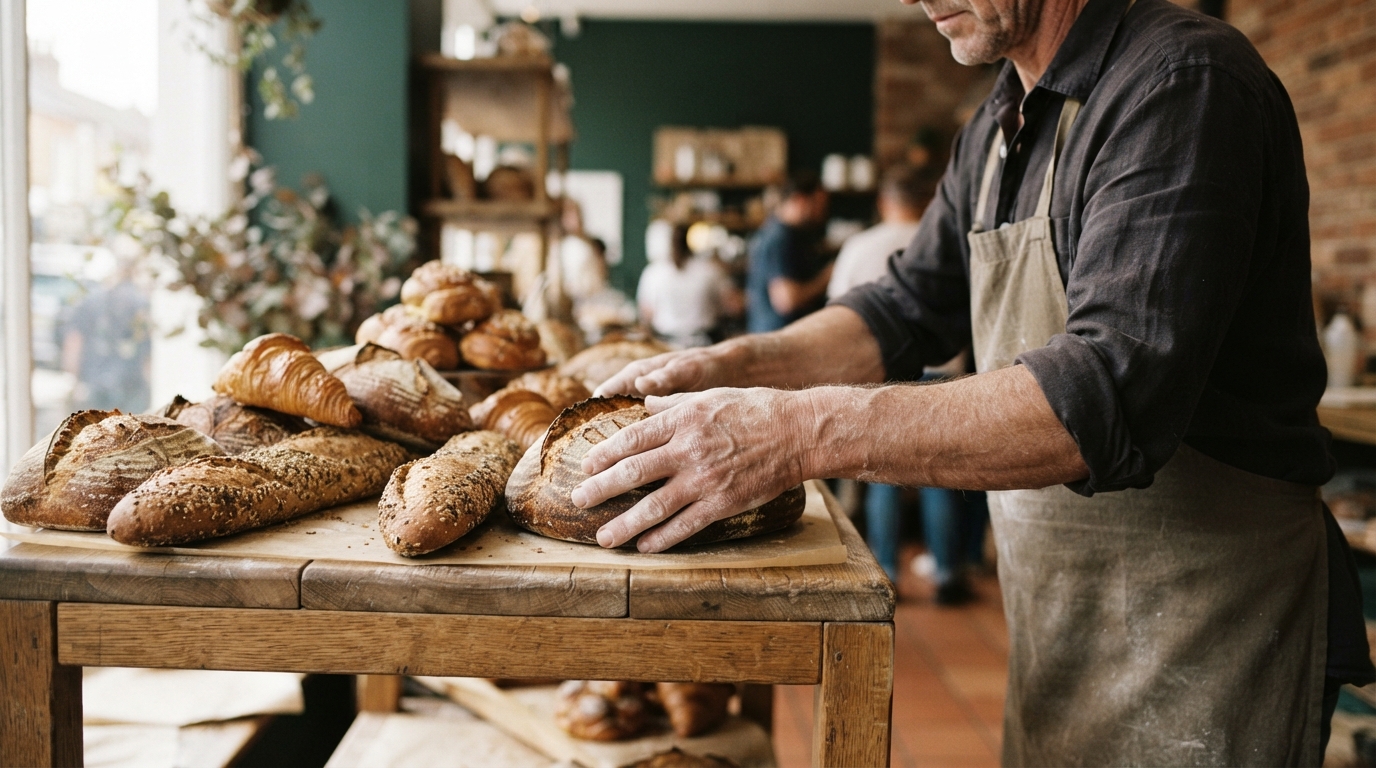
How to Open a Bakery
Opening a bakery means deciding upfront what you will sell, what hours you will operate, and how much of your revenue will come from in-house production, resale, or counter service. It is a business built on daily routine, tight margins in several items, and a lot of dependence on volume, controlled waste, and consistent execution.
Read case