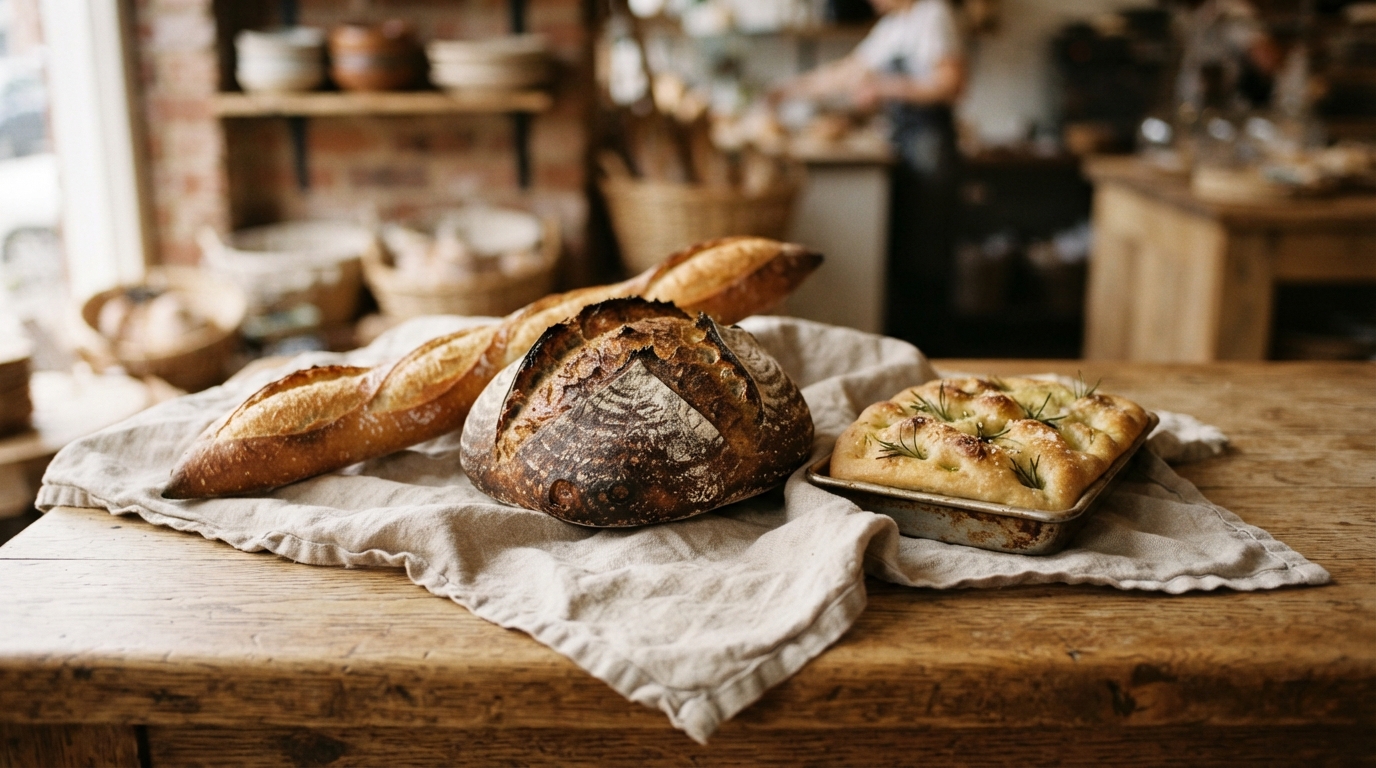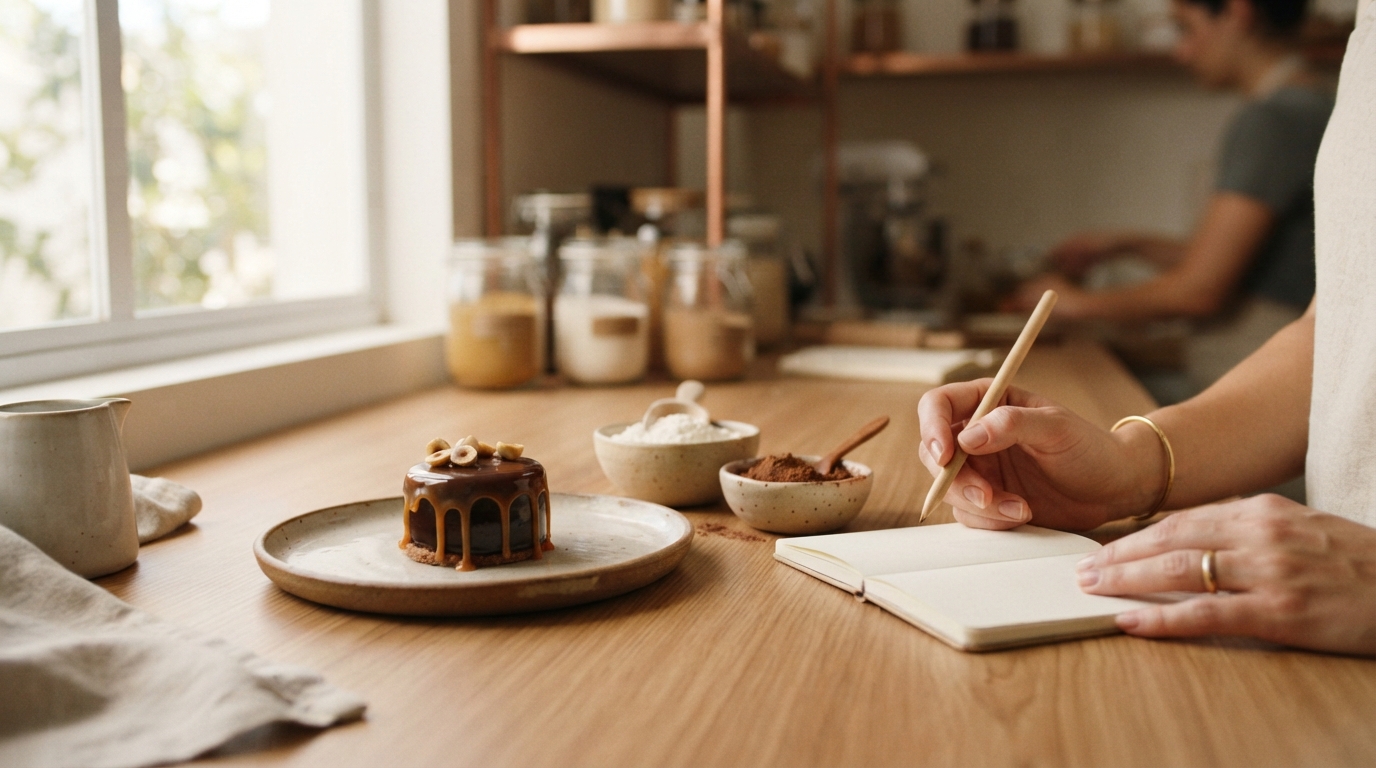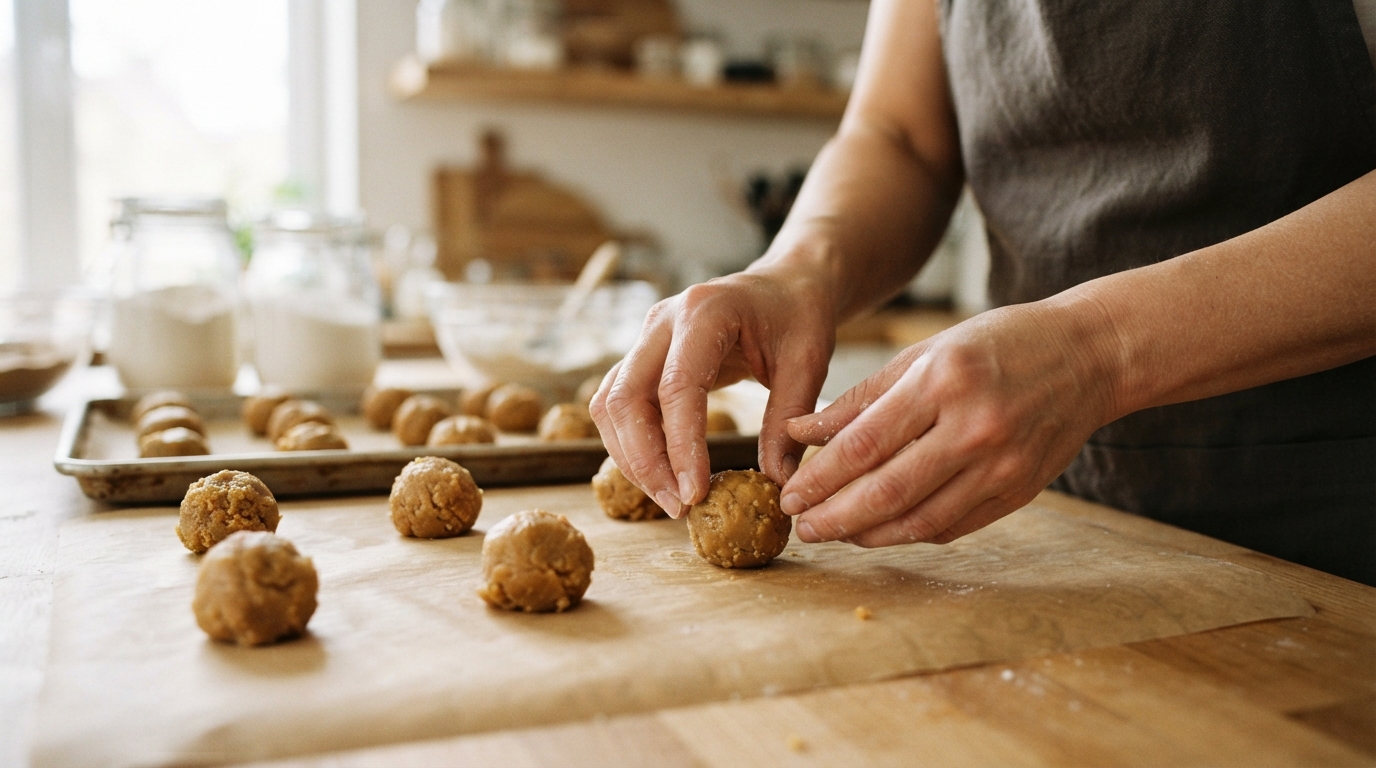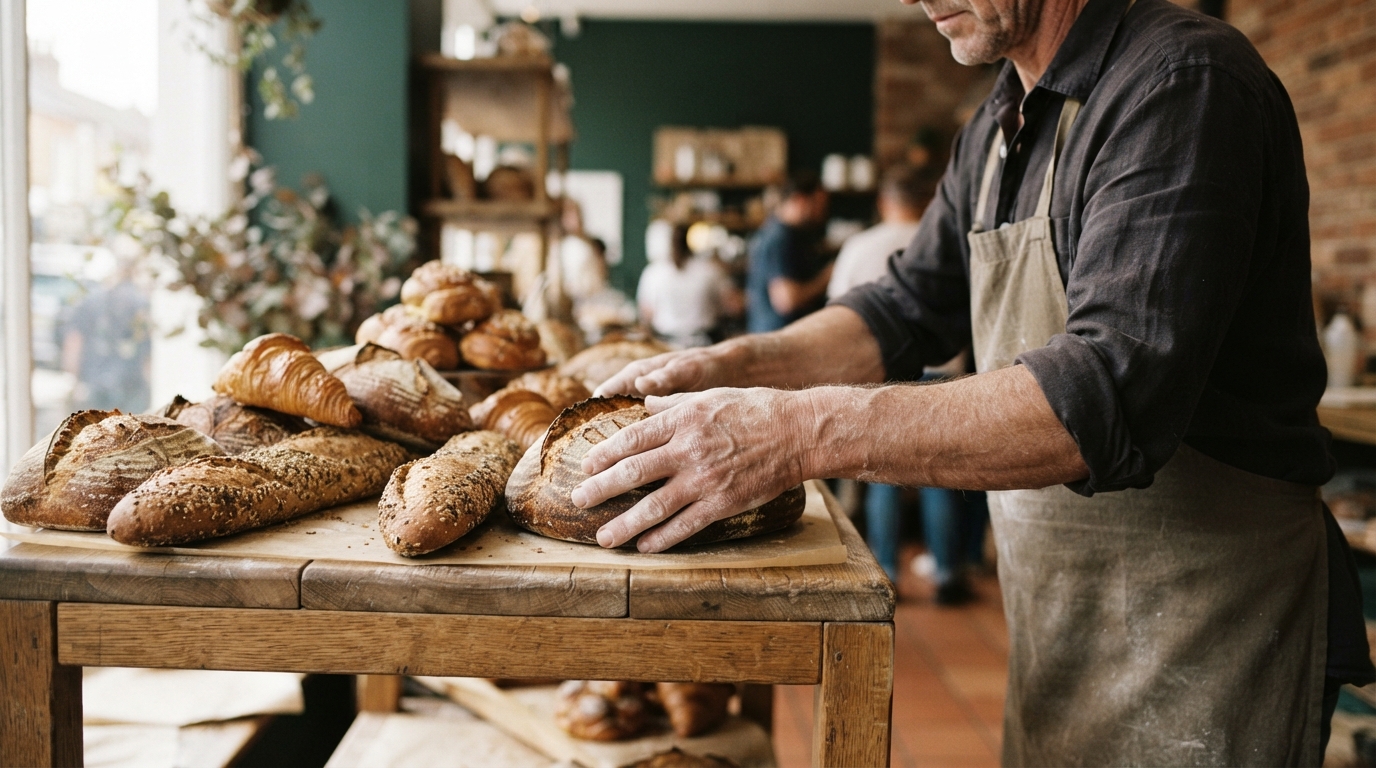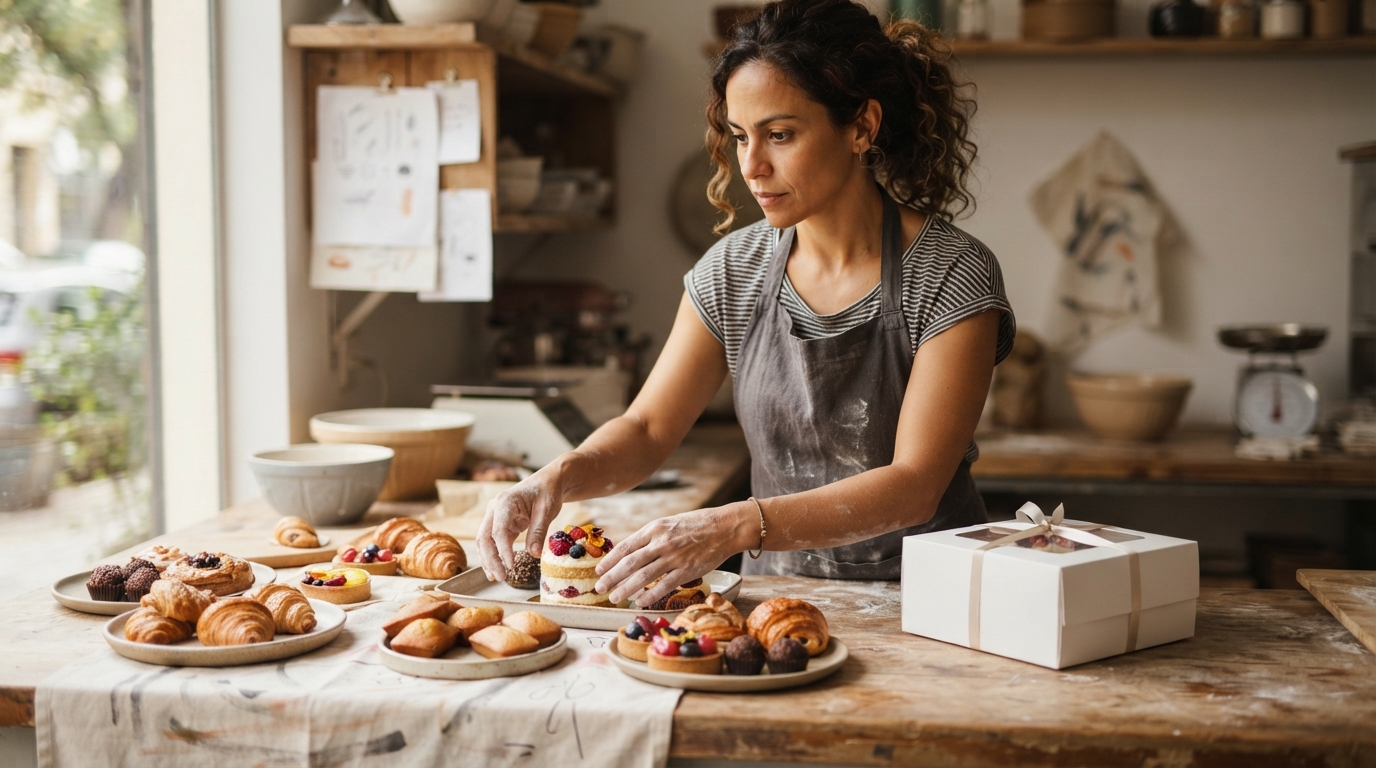
A cake shop lives on quick decisions about mix, volume, and freshness. You need to know whether you will sell by the slice, whole cakes, orders for specific dates, or a combination of these, because each format changes production, inventory, and the way you attract customers.
It also changes a lot if the operation is counter service, delivery, scheduled pickup, or production for resale. In every case, the biggest risk is producing without understanding the real sell-through of each item and ending up with waste, tight margins, and a routine that is hard to sustain.
- daily production
- perishable product
- impulse buying
- repeat orders
What you need to understand before moving forward
Will you sell ready-to-go cakes, custom orders, or both?
This is the first decision because it changes production, waste levels, and cash flow predictability. Ready-to-go sales require a display and turnover; custom orders require organization, lead time, and order confirmation.
Which cakes sell most often to your audience?
You need to identify the flavors and formats with real demand in the neighborhood, in your sales channel, or within your initial network. Without that, the menu grows too early and the operation starts working for items that barely move.
What part of production will you handle yourself, and what will be outsourced?
Decide what will be made in-house, what can come from suppliers, and what does not make sense to take on at the beginning. That choice affects quality control, consistency, delivery time, and staffing needs.
What production routine will keep freshness without excess?
You need to define how many baking runs or prep cycles fit into your operation and at what times they happen. In a cake shop, overproducing makes the day more expensive; underproducing hurts sales and reduces repeat purchases.
Can your location or channel generate repeat business?
Cake can be a frequent purchase, but that depends on convenience, well-controlled variety, and consistency. You need to understand whether customers will stop by regularly, order for occasions, or buy on impulse when they see the offer.
The critical points of this business
Offer
The shop needs to balance variety and standardization. The menu should be lean at first, with items that have good turnover, strong presentation, and production that fits your structure.
Operations
The routine for preparation, assembly, storage, and restocking needs to be simple enough to work every day. If the operation depends on too many manual steps or too much improvisation, waste and rework increase.
Location
If sales depend on a physical location, you need to assess access, visibility, convenience, and fit with the buying habits around you. For cakes, being near the right flow matters more than being at a pretty address.
Financials
The business needs to be calculated carefully, taking ingredient costs, losses, packaging, labor, and idle time into account. In a cake shop, weak margins usually show up first in waste and in the need to produce more just to cover the structure.
People
If there is service and production during tight hours, the team needs to follow standards with little room for variation. Cake quality and the buying experience depend as much on the recipe as on execution at the counter and in the kitchen.
Regulation
You need to check sanitary requirements, labeling when products are sold packaged, and local rules for food production and commerce. This is a business where compliance is not a detail, because it affects opening, operations, and sales across different channels.
What can compromise the business
A mix bigger than the operation can handle
Offering too many flavors and formats at the start increases losses, complicates purchasing, and makes standardization harder. The warning sign is when each item requires a different logistics setup and none of them reaches enough volume.
Production without sell-through data
Making cakes based on what seems to sell, instead of what actually moves, usually creates daily leftovers. To avoid that, track by item what sells, what sits, and at what time sales happen.
Dependence on specific dates
If sales depend only on birthdays, parties, or seasonal orders, revenue becomes irregular and hard to plan. It is worth testing whether there is demand outside those dates, such as slices, afternoon coffee, and repeat purchases.
Pricing without closing the recipe math
A price that is too low may seem competitive, but in a cake shop it often hides ingredient costs, waste, and prep time. Before setting prices, you need to know what each item costs and what remains after packaging and operations.
Choosing a location based only on appearance
A pretty address does not make up for low convenience for quick purchase or pickup. The mistake is ignoring customer habits and realizing too late that the traffic does not fit a cake business built on frequent buying.
Turn these questions into decisions
In a cake shop, viability is decided not just by the recipe, but by how you organize demand, production, location, and numbers before opening. Vibz helps structure those decisions using what you learn about your market and your operation.
Business Scope
Use this step to turn the idea into a clear thesis: what kind of cake you sell, to whom, in what format, and with what main bet. It helps separate ready-to-go sales, custom orders, and different channels before you invest.
Market Intelligence
Here you organize your reading of the surroundings, buying profile, and the competitors that truly compete for your customer’s attention. This is the step that gives you a basis for understanding whether people buy on impulse, for occasions, or on a repeat basis.
Operational Plan
This step is for mapping the shop routine, from prep to display, including suppliers, staff, and sales channels. It helps you avoid a menu that the kitchen cannot sustain at the right pace.
Financial Modeling
Here you turn your decisions into investment, costs, working capital, and cash flow. For a cake shop, this helps test the impact of waste, daily production, and overhead before you commit money.
Before investing, you should know
- How many cakes, slices, or orders do you need to sell per day to cover the structure you plan to build?
- What share of production will be allocated to ready-to-go sales, and what share will be reserved for custom orders?
- Which flavors and formats have enough demand to enter the initial menu without making the operation too complex?
- How much do you lose today, or expect to lose, through leftovers, stockouts, or products that cannot be reused?
- What is the maximum acceptable time between production, display, and sale without hurting the perception of freshness?
- Does your main location or channel favor convenience purchases, quick pickup, or scheduled orders?
- Have you already checked the sanitary and labeling requirements that apply to your sales model?
Sua ideia merece mais do que um palpite. Estruture o negócio, teste suas premissas e entenda se ele faz sentido antes de comprometer tempo e dinheiro.
Planejar meu negócio no Vibz