
Food and gastronomy
Food retail
Butcher shops, produce markets, convenience markets and wine and spirits shops live on repeat neighborhood purchases. Customers come back every week when they find fair prices, variety and fresh products, and switch stores quickly when they don't.
The key decision is inventory: what to buy, how much and how often, without running out or losing stock that sits or expires. Each case below shows what to validate in location, suppliers and turnover before you invest.
Explore Food retail businesses

How to open a convenience market
Opening a convenience market may look simple at first glance, but the real numbers depend on stock turnover, product mix, restocking routine, and location choice. Before buying shelves and setting up the operation, you need to understand how people in the area buy and how much organization the business will require from day one.
Read case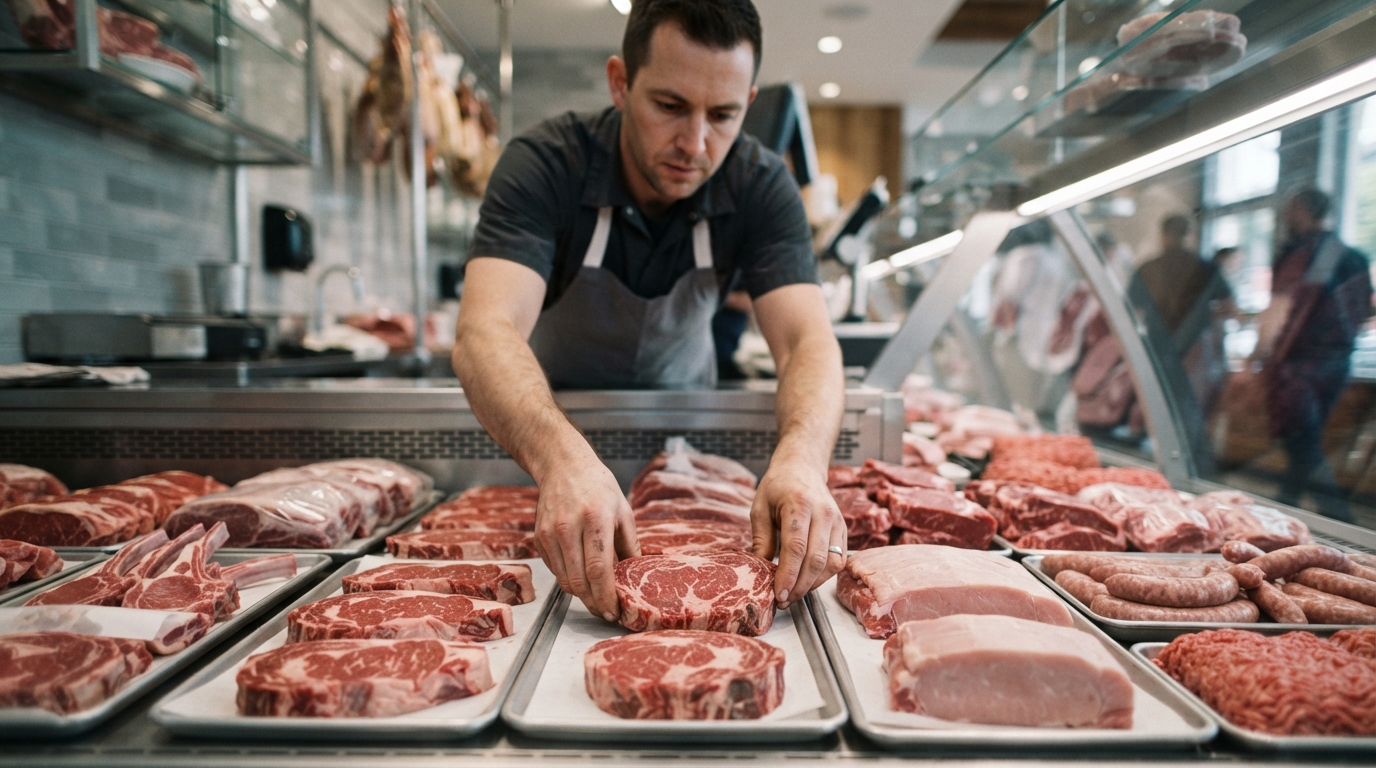
How to open a butcher shop
Opening a butcher shop takes more than choosing a busy location. You need to understand margin, shrink, the cold chain, your cut mix, and buying routines, because that is what determines whether the operation stays organized or turns into a daily squeeze.
Read case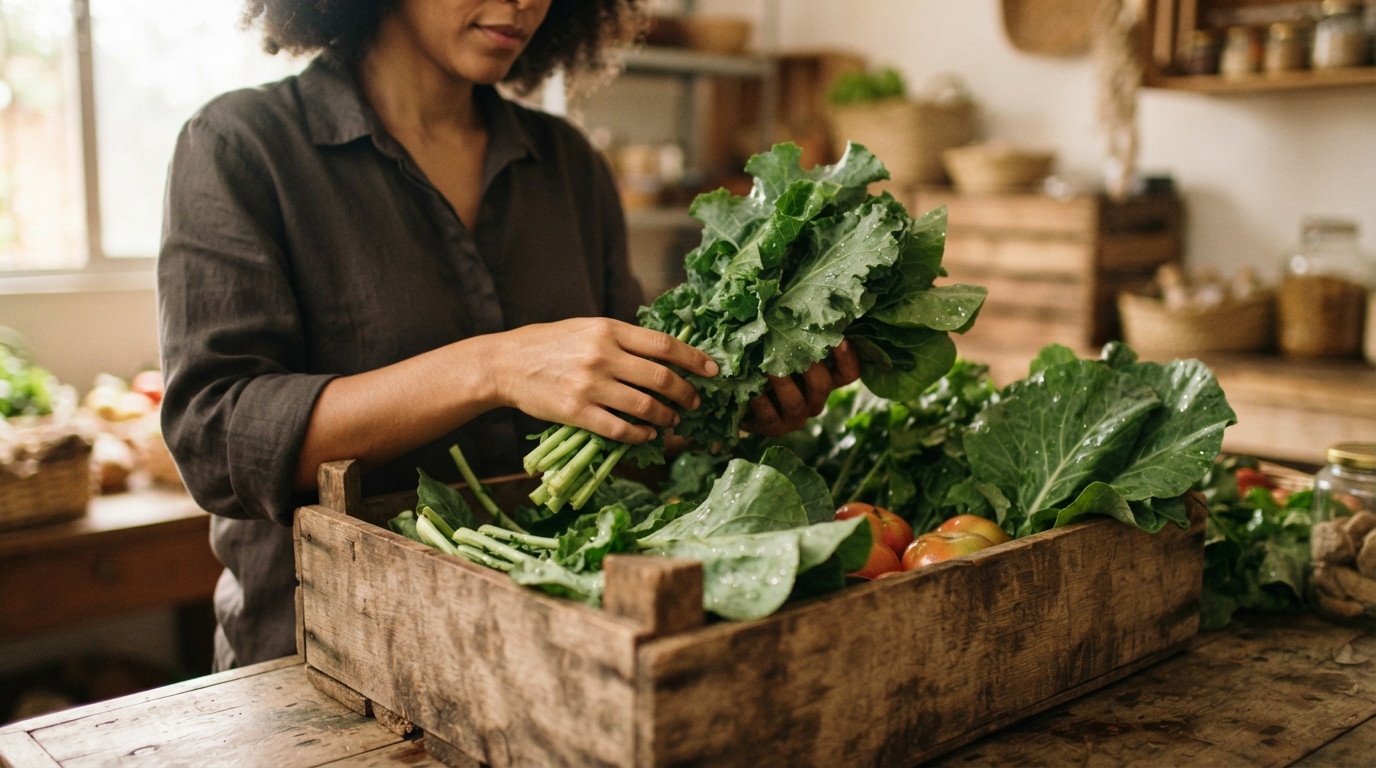
How to open a produce market
Opening a produce market sounds straightforward until you separate what sells well from what spoils quickly, understand turnover by category, and choose a location that makes sense for restocking and convenience. Before investing, you need to know whether your surroundings buy often enough to support losses, tight margins, and the day-to-day operation.
Read case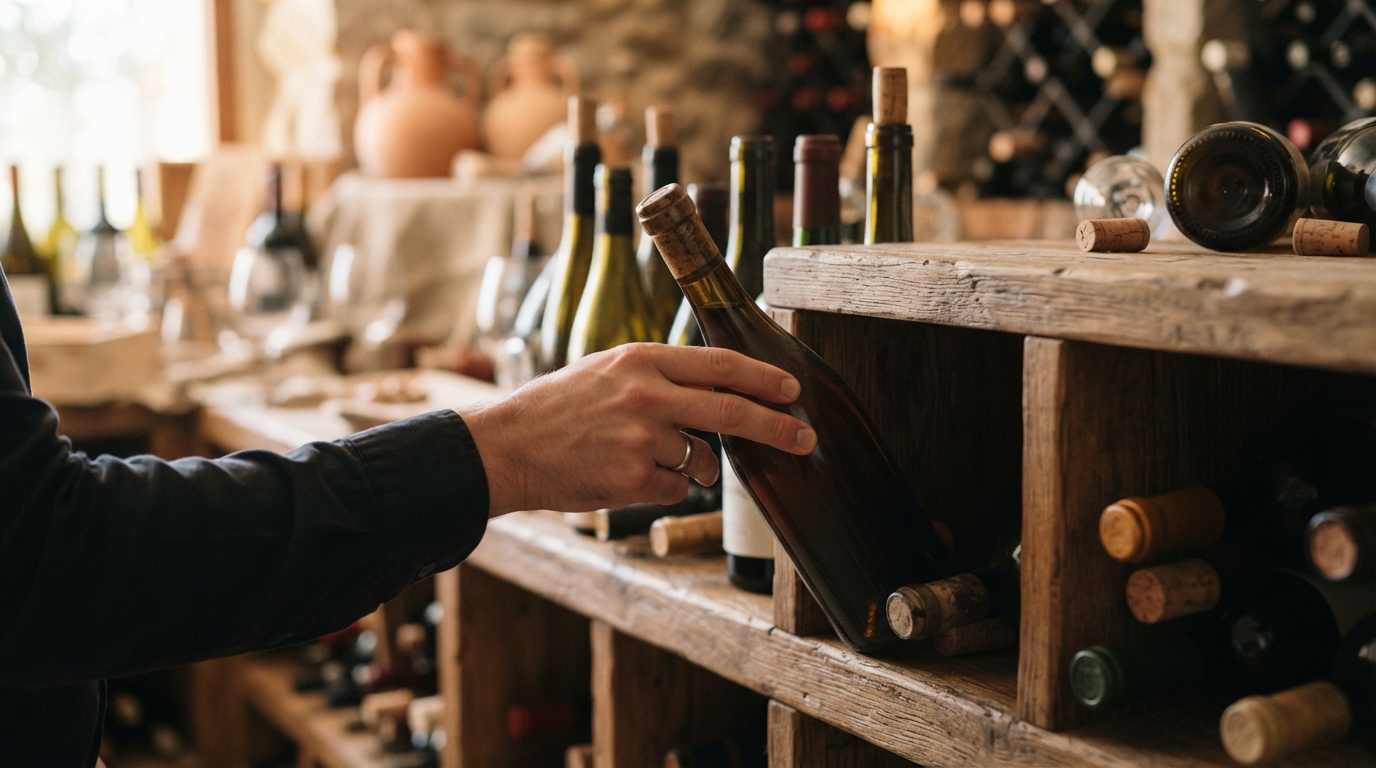
How to open a wine and spirits shop
Opening a wine and spirits shop sounds straightforward until you separate convenience retail from alcohol operations. The business depends on product mix, opening hours, turnover, inventory control, and the surrounding area, because the outcome changes a lot between a residential street, a through-traffic corridor, and a neighborhood with strong nighttime demand.
Read case