
Food and gastronomy
Delivery and dark kitchens
Dark kitchens, specialized delivery businesses, meal prep businesses and subscription kitchens skip the dining room, but not the planning. Without street traffic, sales depend on apps, your own channels or a base of repeat customers.
The key decision is how customers will reach you and what each delivered order really costs, since platform fees, packaging and delivery weigh on every dish. Each case below shows what to validate in menu, sales channels and logistics before you invest.
Explore Delivery and dark kitchens businesses
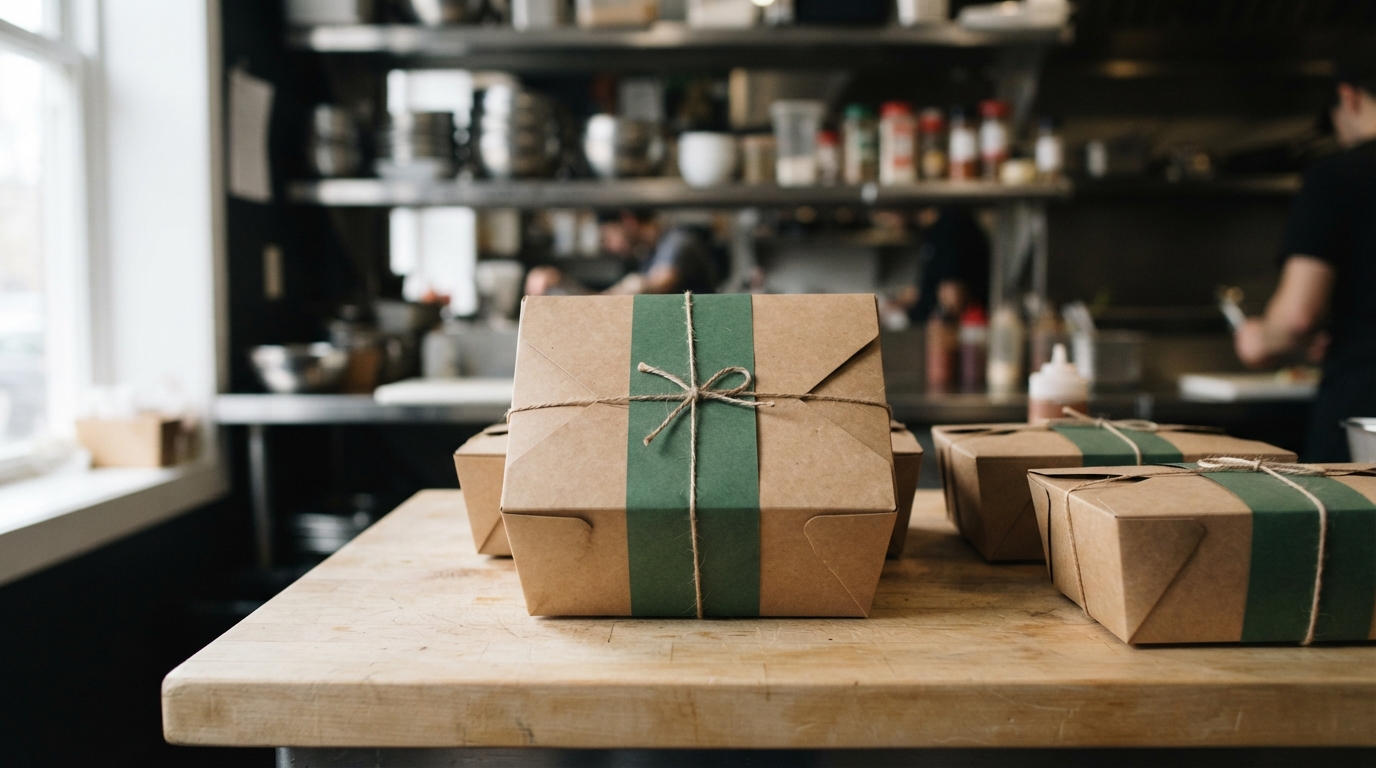
How to set up a dark kitchen
Opening a dark kitchen may seem simple because you do not need a dining room, in-person service, or a storefront. But that only removes part of the complexity; the operation still requires a well-designed menu, consistent production, suitable packaging, and tight control of cost per order.
Read case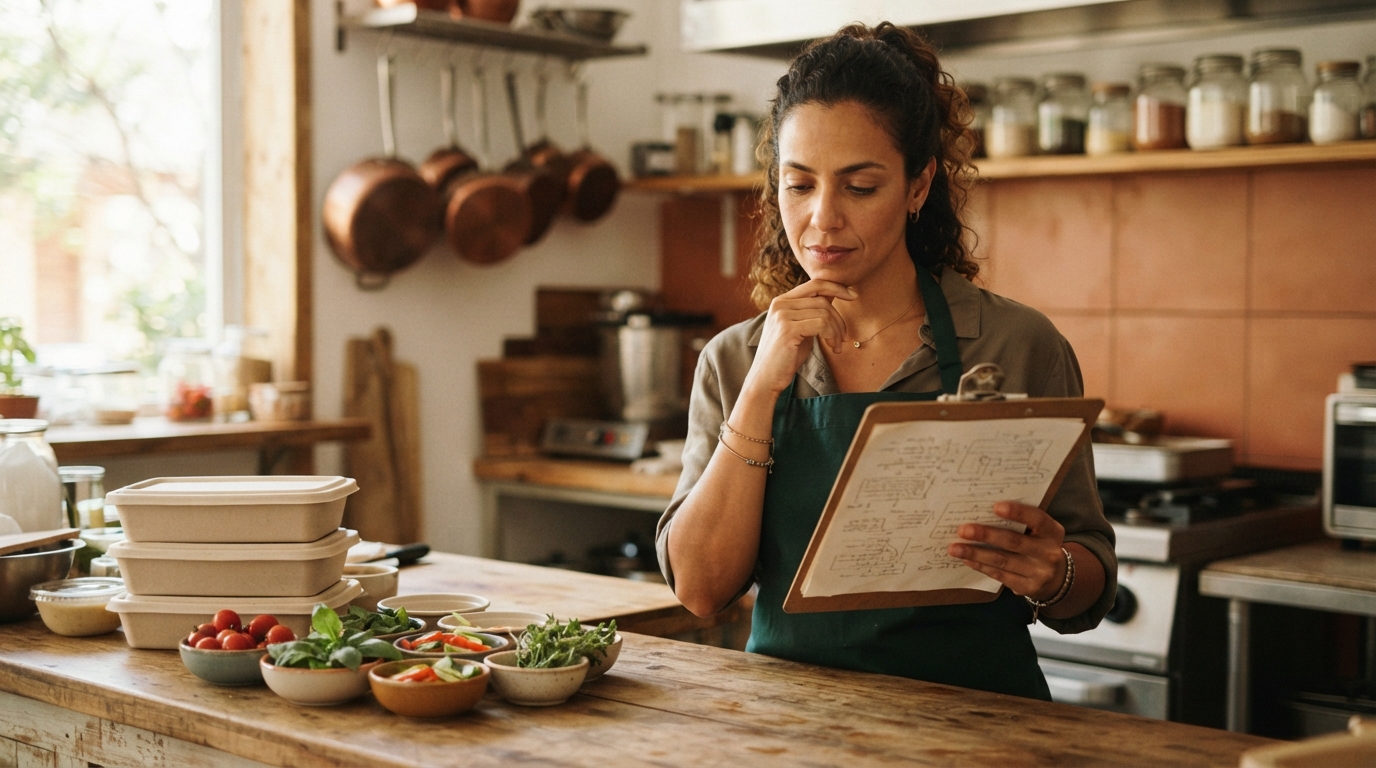
How to start a subscription kitchen
Starting a subscription kitchen takes more than cooking well. You need to know who will subscribe, how often they will receive meals, how you will keep the standard consistent, and how much space the operation really requires before you commit money.
Read case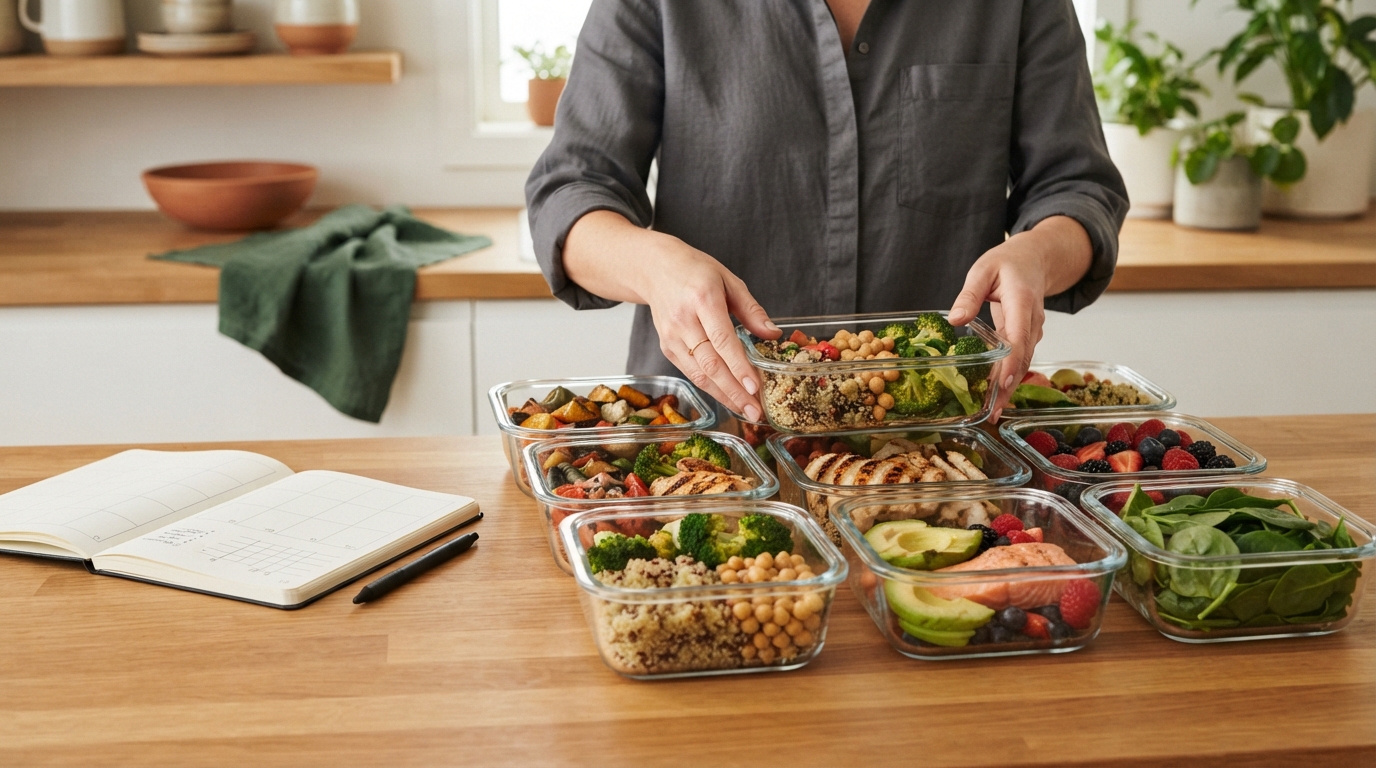
How to start a meal prep business
Starting a meal prep business sounds simple until you separate recurring sales from day-to-day operations. What determines whether this business works is not just cooking well, but getting the menu, production, packaging, delivery, and demand predictability right before taking on fixed costs.
Read case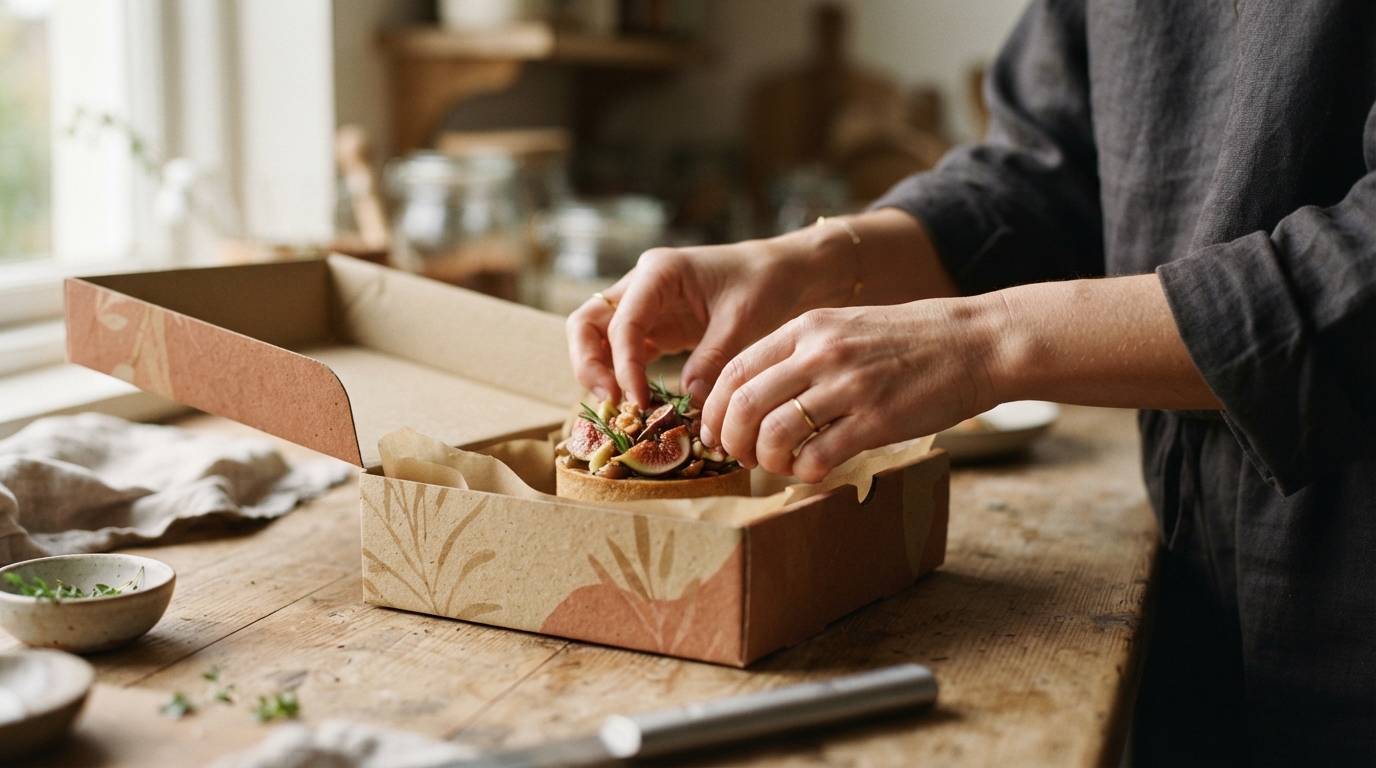
How to launch a specialized delivery business
Starting a specialized delivery business may seem straightforward when you focus only on the product. In practice, the decision depends on a lean menu, a stable operation, the right packaging, and numbers that still make sense after fees, waste, and delivery.
Read case