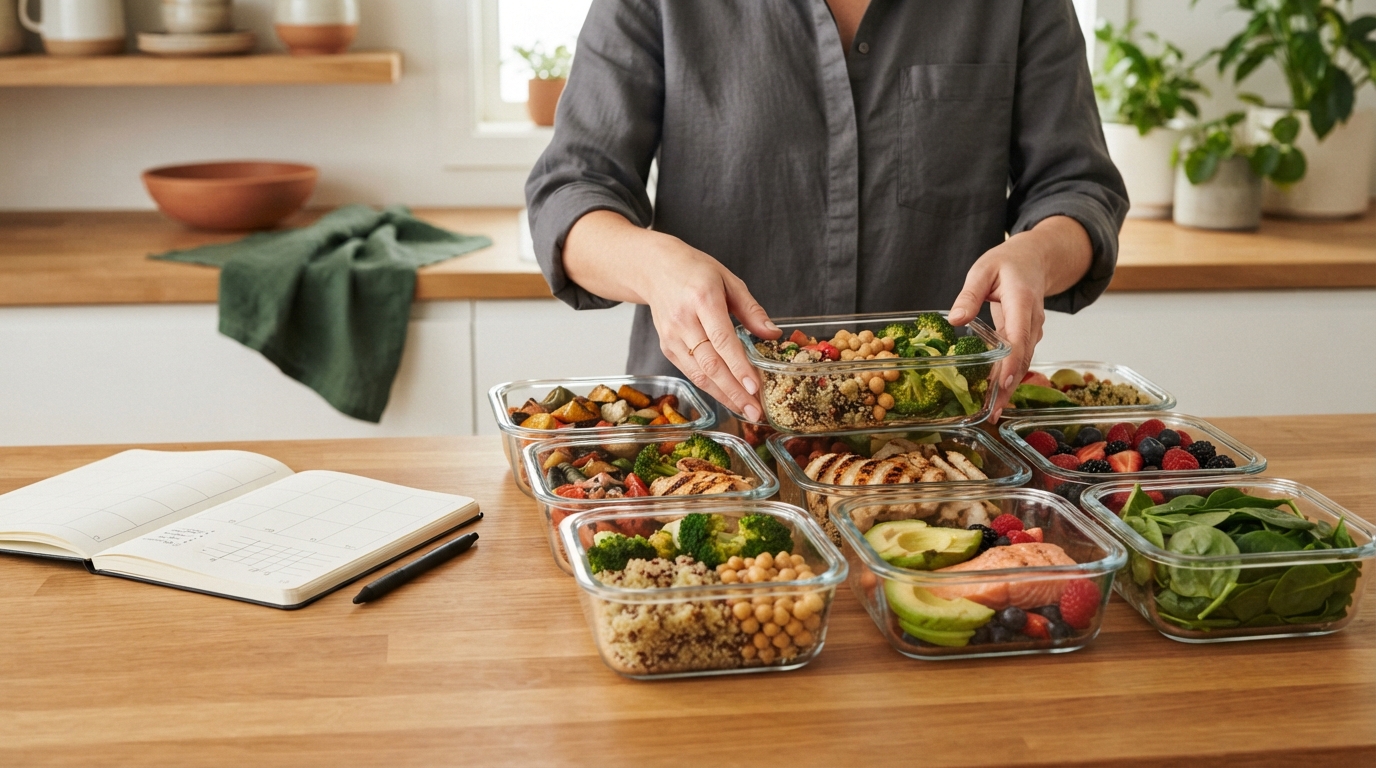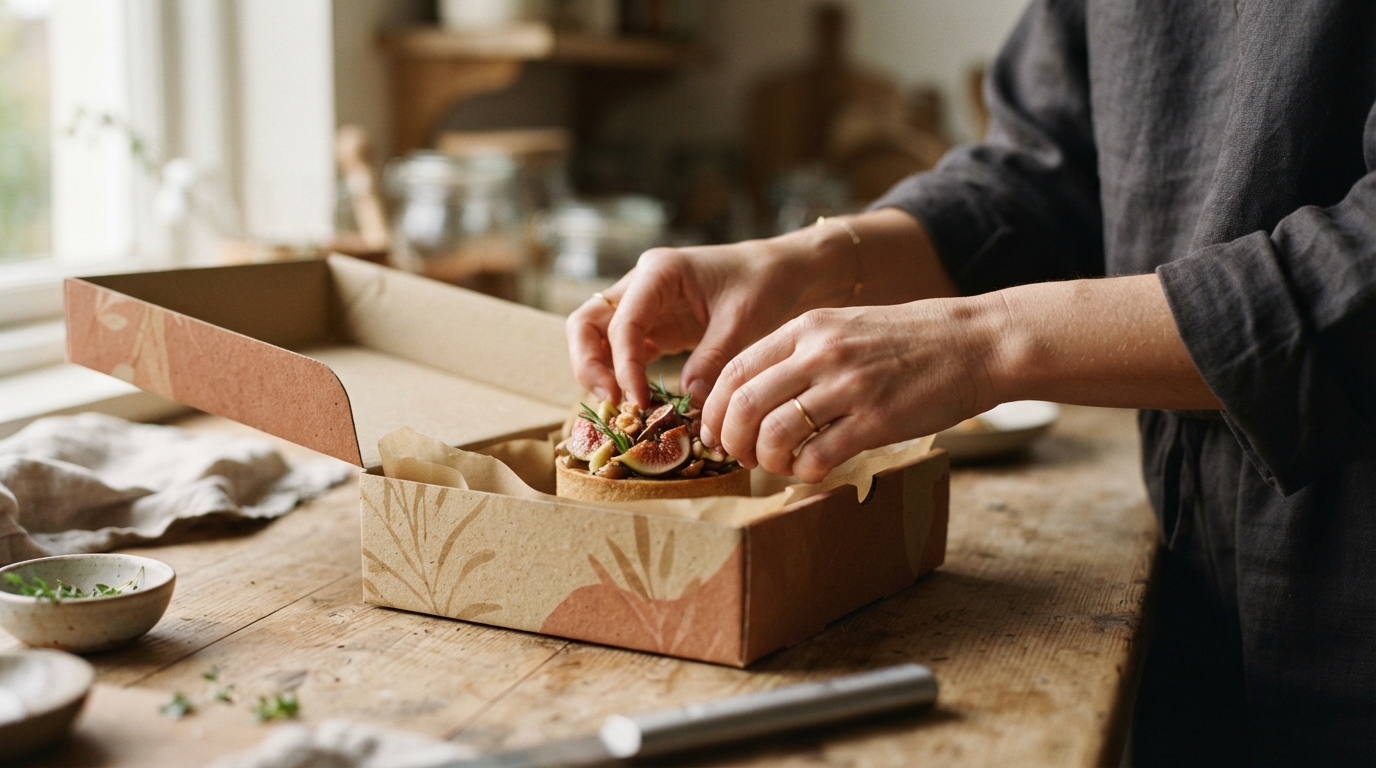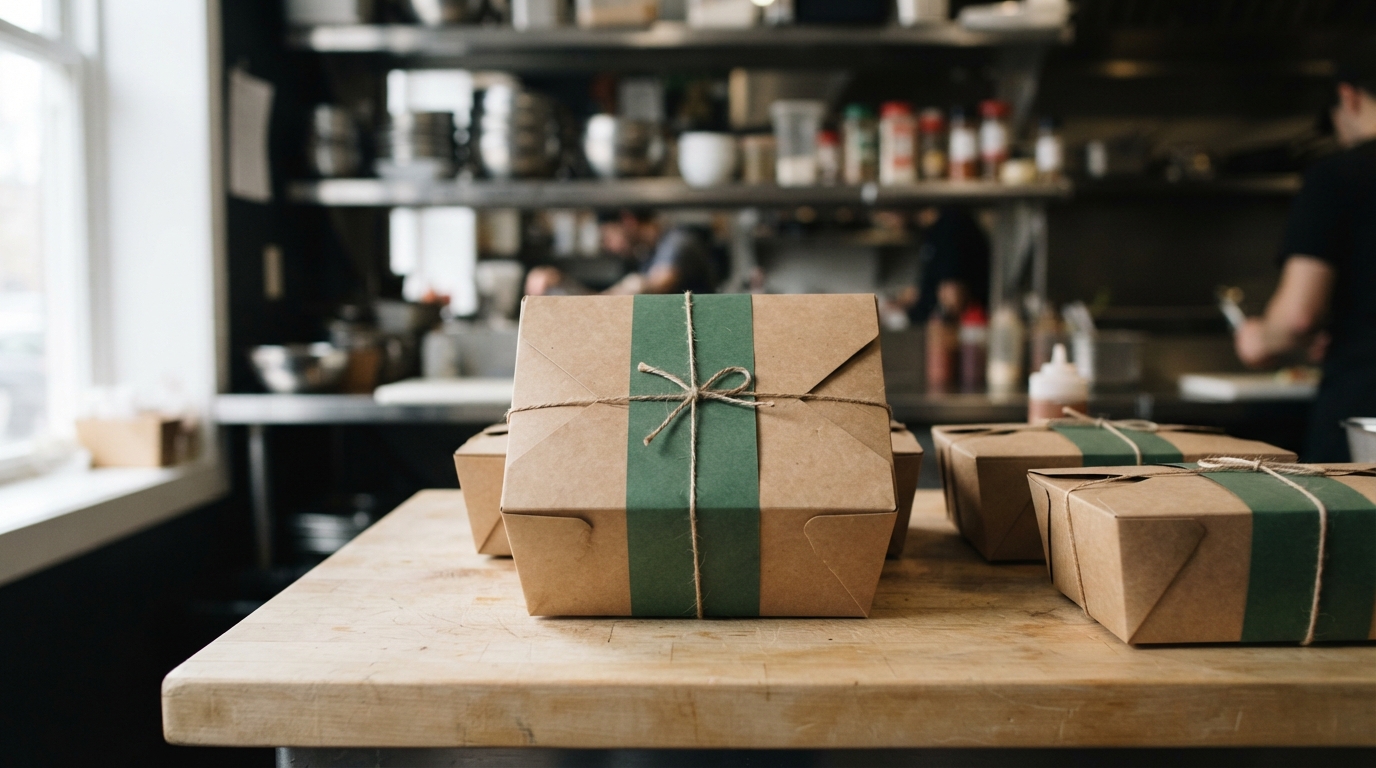
A dark kitchen depends on volume, speed, and standardization. You sell without a physical front for customers, so the decision to open this kind of business is driven less by appearance and more by the ability to produce well, deliver on time, and keep margins in orders that are usually sensitive to fees, packaging, and waste.
That changes the way you plan. Before investing, you need to know whether your menu can handle repeated production, whether there is demand within the area you want to serve, and whether the numbers still work once you add ingredients, packaging, commissions, and delivery.
- on-demand production
- app-based delivery
- lean menu
- kitchen-only operation
What you need to understand before moving forward
What problem does the menu solve?
You need to decide whether you will compete on convenience, price, specialization, or average ticket. A dark kitchen that tries to do everything usually loses operational clarity and margin.
Can the menu support repeated production?
Check whether the dishes use a small set of shared ingredients, have predictable preparation, and keep their quality after packaging. If every order requires a very different assembly, the operation becomes slower and more expensive.
Does the packaging preserve the product until delivery?
Test whether the food arrives with acceptable temperature, texture, and presentation. In a dark kitchen, poor packaging turns into complaints, refunds, and lower repeat business.
Is there demand within the delivery radius you want to serve?
You need to understand where the customers who buy this type of food are, what times they order, and how far delivery can go before the experience starts to degrade too much.
Does the operation fit the structure you plan to set up?
Check whether the space can handle preparation, storage, dispatch, and order flow without bottlenecks. The kitchen can be small, but it cannot be improvised.
The critical points of this business
Market
You need to map who buys this kind of food in the area, at what times consumption happens, and which offer is already saturated. A dark kitchen does not depend on street traffic; it depends on digital demand and delivery conditions that match your radius.
Offer
The menu needs to be short, clear, and designed for delivery. Items with complex assembly, too many components, or low stability in transit increase errors, preparation time, and quality loss.
Operations
The operation needs to work with a routine of production, checking, packaging, and dispatch. You should validate preparation times, stock levels, assembly standards, and how orders enter without slowing the kitchen down.
Financials
The numbers need to separate dish cost, packaging, waste, marketplace fees, delivery, and fixed kitchen expenses. In a dark kitchen, the common mistake is to look only at the selling price and ignore what remains after each order.
Location
The address matters less because of visibility and more because of delivery coverage, logistics access, and structure cost. A cheap location that is poorly positioned for your audience can worsen delivery times and increase cancellations.
Channels
You need to decide where orders will come from and how you will build repeat business without becoming fully dependent on a single channel. That affects margin, predictability, and your ability to build your own customer base.
What can compromise the business
Menu that is too broad
When the kitchen tries to offer too many lines at once, inventory grows, preparation slows down, and waste increases. The answer is to validate a short menu with shared ingredients and predictable output.
Pricing set without closing the margin
Many delivery businesses sell well and still lose money on every order. Before opening, you need to add up ingredients, packaging, fees, and operating expenses per item.
Too much dependence on a single channel
If almost all orders come from one platform, any change in fees, rules, or visibility affects the operation directly. It is worth planning from the start how to capture direct orders and repeat customers.
Delivery volume above kitchen capacity
When volume grows without process adjustments, delays become complaints and quality starts to fluctuate. You need to test order peaks before committing to rent, staff, and inventory.
Choosing a location without logistics logic
A location that is poor for your delivery radius increases time, cost, and product temperature loss. The location should be chosen for the operation, not for the look of the property.
Turn these questions into decisions
In a dark kitchen, the difference between a viable idea and a confused operation is turning hypotheses into decisions before you spend on structure. Vibz organizes that analysis so you can see the model, the demand, the operation, and the numbers more clearly.
Business Scope
Helps you define the business thesis: what problem the menu solves, who it makes sense for, and which bets need to be validated before opening.
Market Intelligence
Used to structure your reading of the market, the audience, and the competition within your delivery radius, so you do not open the kitchen without understanding where demand is and how people buy.
Operational Plan
Organizes the kitchen operation, from preparation flow to dispatch, so you can validate whether the menu, the team, and the suppliers can sustain the pace of orders.
Financial Modeling
Turns those decisions into numbers for investment, cost per order, fixed expenses, and scenarios, so you know whether the margin makes sense before signing a contract or buying equipment.
Before investing, you should know
- How many orders per day does your kitchen need to deliver to cover fixed costs?
- What is the total cost of each dish after adding ingredients, packaging, fees, and delivery?
- Which menu items share the same ingredients and the same processes?
- How far can the product travel and still arrive with acceptable quality for your standard?
- Which channel will generate the first orders without relying on aggressive promotions?
- What minimum kitchen structure do you need to produce at the expected pace without rework?
Sua ideia merece mais do que um palpite. Estruture o negócio, teste suas premissas e entenda se ele faz sentido antes de comprometer tempo e dinheiro.
Planejar meu negócio no Vibz