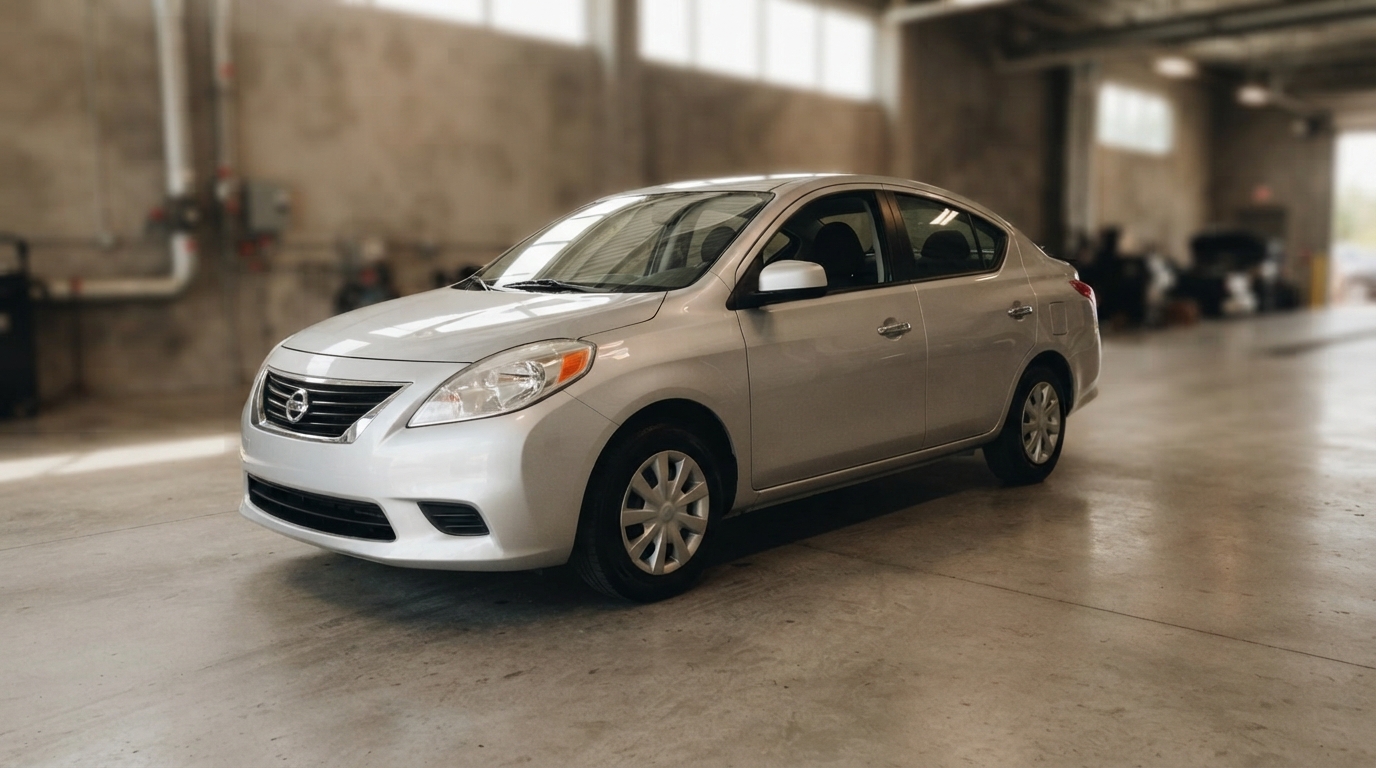
A car rental business is capital-intensive and demands careful operational decisions. You tie up money in assets that depreciate, need maintenance, and only generate returns when they stay rented with some predictability.
What separates a healthy operation from a strained one is not just having cars available. It is understanding who rents, for how long, how often, under what conditions, and what total cost each vehicle brings to the fleet.
- owned fleet
- asset depreciation
- rental by period
- recurring maintenance
What you need to understand before moving forward
Who will rent frequently?
You need to identify whether the focus is individual customers, companies, tourism, temporary replacement, or subscription use. Each profile changes seasonality, average rental time, delay risk, and the type of car that makes sense to buy.
What kind of use will the car serve?
Renting by day, week, month, or under a corporate contract are very different models. You need to decide this before building the fleet, because vehicle setup, mileage policy, and billing all change depending on the use.
What is the total cost of each vehicle?
Purchase price is only part of the equation. Between acquisition, registration, insurance, maintenance, tires, cleaning, tracking, and loss of value over time, each car needs to fit into a calculation you can track by unit.
How will you reduce default and claim risk?
This business depends on screening rules, deposits, contracts, and fleet control. You need to define what will be required from the customer, how the vehicle will be released, and what happens in case of delay, damage, or use outside the agreed terms.
Where will the fleet be based and operate?
Location matters less for the address itself and more for delivery, pickup, maintenance, and replacement logistics. You need to know whether you can operate close to your customers and whether fleet movement will create excessive cost and time.
The critical points of this business
Market
You need to understand whether local demand is recurring or occasional, and whether it comes from individuals, companies, or tourism. That defines fleet mix, sales approach, and the predictability of occupancy.
Offer
The offer needs to be clear: car type, category, minimum rental period, mileage policy, insurance deductible, and delivery conditions. In a rental business, ambiguity in the offer turns into commercial friction and pricing mistakes.
Operations
Operations need to handle pickup, return, inspection, cleaning, maintenance, and vehicle replacement without improvisation. If the process fails, the car sits idle longer than it should and fleet profitability drops.
Financials
The core calculation is simple: how much each car costs per month and how much it needs to generate to cover acquisition, fixed expenses, and loss of value. You also need to plan working capital for maintenance, insurance, licensing, and periods when the fleet is not occupied.
Regulation
Car rental requires well-defined contracts, proper documentation, and close attention to insurance rules, liability for damages, and vehicle use. If this foundation is weak, the operation is exposed precisely when it needs protection most.
Growth
Growing a rental business is not just about buying more cars. It is about proving you can expand the fleet without losing control over occupancy, maintenance, billing, and replacement, because scale increases both revenue and operational risk.
What can compromise the business
Buying a fleet before validating demand
This mistake locks capital into cars that may sit idle longer than expected. Before expanding the fleet, check who already buys this service, how often, and under what price and term conditions.
Building a fleet without standardization
Mixing too many models makes maintenance, replacement, and customer experience more complicated. A fleet with little standardization tends to raise operating costs and makes it harder to control availability and turnover.
Ignoring downtime between rentals
A car does not generate results just by being in the fleet. If pickup, return, cleaning, inspection, and maintenance take too long, actual occupancy drops even when demand exists.
Underestimating contractual risk
Without clear rules for deposits, identification, coverage, and damage liability, defaults and repair costs can undermine the operation. The contract needs to be designed together with the commercial policy, not after it.
Pricing by looking only at competitors
In a rental business, pricing without a full calculation usually hides maintenance, depreciation, and idle time. You need to know how much each category must generate to support the fleet and the cash flow.
Turn these questions into decisions
If you want to open a car rental business, understanding the market and turning that into a plan is what separates a well-built fleet from an idle one. In Vibz, you organize the right questions before committing capital and structure the operation around what still needs to be validated.
Business Scope
Use this stage to turn the idea into a testable thesis: who you will serve, what problem you solve, what type of rental makes sense, and which assumptions need to be confirmed before buying the fleet.
Market Intelligence
Here you structure the analysis of demand, renter profile, competition, and entry strategy. It is the stage that helps you decide whether the rental business should start focused on daily rentals, monthly plans, corporate clients, or another clearer segment.
Operational Plan
This stage helps you design the operation before the first purchase: vehicle types, pickup and return process, maintenance, suppliers, team, and service channels. This is where you organize how the rental business will actually run.
Financial Modeling
Here you turn decisions into numbers: initial investment, fixed costs, variable expenses, working capital, required occupancy, and viability scenarios. It is the stage that shows whether the fleet fits the cash flow before you take the leap.
Before investing, you should know
- How many vehicles do you need on the road to test demand without tying up too much capital?
- Which car category does your audience actually look for at the start?
- What occupancy rate do you need to sustain the fleet and fixed expenses?
- How much does it cost to keep each vehicle idle for a month, considering depreciation, insurance, and maintenance?
- What deposit, contract, and customer screening policy will you adopt?
- How will you handle maintenance, replacement, and downtime for a fleet vehicle?
- Which customer acquisition channel makes the most sense first: referrals, companies, local partnerships, or direct sales?
Sua ideia merece mais do que um palpite. Estruture o negócio, teste suas premissas e entenda se ele faz sentido antes de comprometer tempo e dinheiro.
Planejar meu negócio no Vibz