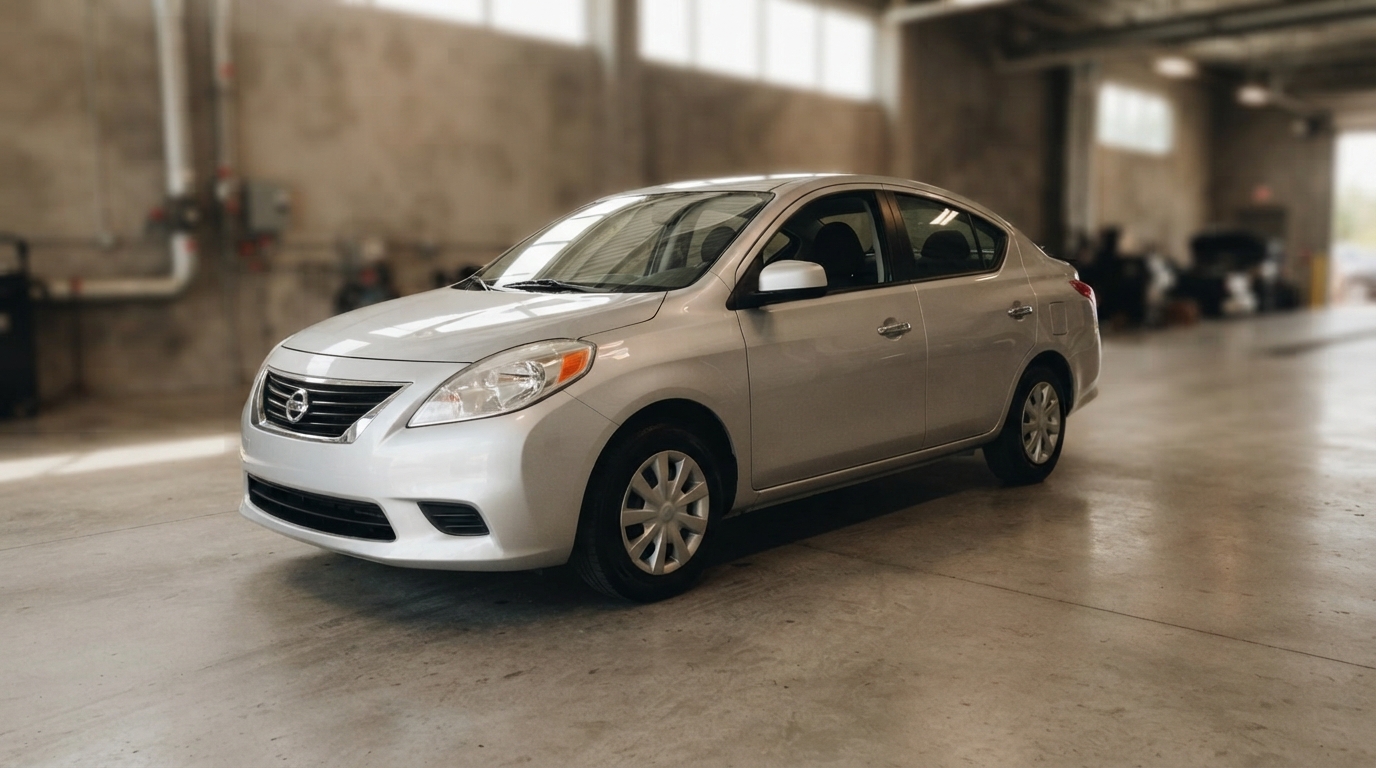
This kind of rental business does more than give people access to a car. You are setting up an asset operation, with contracts, guarantees, maintenance, insurance, tracking, and recurring billing. What decides the business is not just having vehicles available, but knowing whether the fleet can handle heavy use without destroying margin.
To open with some safety, you need to separate real demand from drivers who say they want to work with a rented car and those who are only interested for the moment. You also need to decide whether you will operate with your own fleet, vehicles from third parties, or a hybrid model, because that changes startup capital, risk, and how much control you have over the operation.
- heavy-duty fleet
- recurring contract
- frequent maintenance
- default risk
What you need to understand before moving forward
Which driver are you trying to serve?
You need to decide whether you are speaking to someone just starting out, to a driver who already works and wants to switch cars, or to someone who lost their vehicle and needs to get back on the road quickly. Each profile has a different urgency, a different payment limit, and a different tolerance for deposits, contract length, and paperwork requirements.
Will the contract be daily, weekly, or monthly?
The billing model changes occupancy, revenue predictability, and the amount of operational work. If you do not define this early, it becomes hard to calculate maintenance, replacement for idle cars, and the risk of contract failure.
What criteria will approve a customer?
In this business, approving any driver usually gets expensive. You need to decide which documents, history, and guarantees are the minimum needed to reduce late payments, missing vehicles, and use outside the agreed terms.
Who pays for maintenance and wear?
A car used for rideshare runs a lot, and that speeds up inspections, tires, brakes, and cleaning. Before investing, you need to make it clear what is included in the rental and what becomes an extra charge, because this affects margin and the level of conflict with the customer.
Will you buy cars or operate with third-party vehicles?
The answer defines how much capital is tied up and how much risk sits on your balance sheet. Buying gives you more control, but requires more cash. Working with third-party cars reduces capital lockup, but it demands a very solid contract and a more careful management routine.
How does the car return to the operation when the contract ends?
You need to plan for inspection, cleaning, corrective maintenance, and reactivation time. If returns do not follow a process, the car stays idle longer than it should, and the cost per vehicle rises without showing up right away.
The critical points of this business
Market
The main point is understanding whether there are enough drivers in your area who are willing to rent a car and can keep payments current. You need to look at demand patterns, driver turnover, and the type of vehicle that actually makes sense for this audience.
Offer
The offer is not just the car. It includes mileage limits, usage allowance, maintenance, insurance, replacement in case of breakdown, and return rules, because that is what drivers compare when choosing where to rent.
Operations
The operation needs to handle check-in and check-out inspections, ticket tracking, review scheduling, and fast support for replacement or repair. If these processes are improvised, the fleet loses availability and the customer notices the disorganization at the first problem.
Financials
You need to model the cost per vehicle, including maintenance, depreciation, insurance, paperwork, cleaning, missed payments, and idle time. Without that, the revenue looks good on paper, but the fleet may not cover the capital tied up in it.
Regulation
Renting to drivers requires attention to contracts, liability for claims, permitted vehicle use, and registration requirements. If the paperwork is not well structured, collection turns into a dispute and recovering the car becomes harder.
People
You will need people who can sell the contract, check documents, follow maintenance, and resolve customer conflicts without slowing down the operation. In a small rental business, one service mistake or bad registration usually turns into direct cost.
What can compromise the business
Buying a fleet before validating the customer profile
If you buy cars without knowing who will rent them and under what conditions, your capital gets tied up in an asset that may take a while to generate revenue. Before buying, confirm which profiles actually close contracts and which car models are truly in demand.
Rental pricing that does not cover wear and tear
A rideshare car is used heavily, and that changes inspections, tires, and depreciation. If the price charged does not cover that wear, the operation may grow in volume while losing momentum in cash.
Weak contract for missed payments and damage
Without clear rules on deposits, delays, returns, and responsibility for damage, recovering the vehicle becomes slow and expensive. This is especially sensitive when the customer depends on the car to work and tries to stretch usage beyond what was agreed.
Lack of control over fleet availability
If you do not track intake, return, maintenance, and idle periods, you will think you have more revenue potential than you actually do. In this business, an idle car is not an operational detail; it is direct lost revenue.
Turn these questions into decisions
In this business, the difference between a healthy operation and a fleet that is too expensive often comes down to the decisions you make before buying the first car. Organizing audience, offer, operations, and numbers with clarity is what keeps you from starting blind.
Business Scope
It helps you turn the idea into a testable business thesis by defining audience, value proposition, rental model, and critical bets. It is the starting point for deciding whether you will serve new drivers, recurring clients, or a more restricted profile.
Market Intelligence
It is used to structure your market analysis, the profile of the drivers you want to serve, and your entry strategy. That helps answer whether the demand you expect exists in the format your rental business plans to offer.
Operational Plan
It organizes how the rental business will work in practice, including fleet, processes, suppliers, team, and channels. Here you define inspection, maintenance, delivery, return, and billing routines before committing to the cars.
Financial Modeling
It turns the earlier decisions into numbers, including investment, costs, working capital, and projected cash flow. This is the stage that shows whether the rental income can cover the weight of the fleet, maintenance, and the time the cars spend not generating revenue.
Before investing, you should know
- How many drivers in your area actually prefer renting a car instead of financing or buying one?
- Which customer profile will you approve without compromising vehicle recovery?
- How many days, on average, can each car stay idle between return, inspection, and the next rental?
- How much does it cost to keep each vehicle ready for heavy use?
- What rental price covers wear, missed payments, paperwork, and tied-up capital?
- Will you start with your own fleet, third-party cars, or a hybrid model?
- What process will you use for inspection, deposit, billing, and vehicle recovery in case of delay?
Sua ideia merece mais do que um palpite. Estruture o negócio, teste suas premissas e entenda se ele faz sentido antes de comprometer tempo e dinheiro.
Planejar meu negócio no Vibz