
Retail and commerce
Specialty stores
Optical stores, flower shops, wine and beverage stores and sporting goods stores sell to people looking for advice, not just price. Product knowledge is what makes customers come back and recommend the store.
The key decision is the size of the product mix: broad enough to serve the neighborhood, lean enough not to tie up capital in stock that doesn't move. Each case below shows what to validate in location, suppliers and service before you invest.
Explore Specialty stores businesses
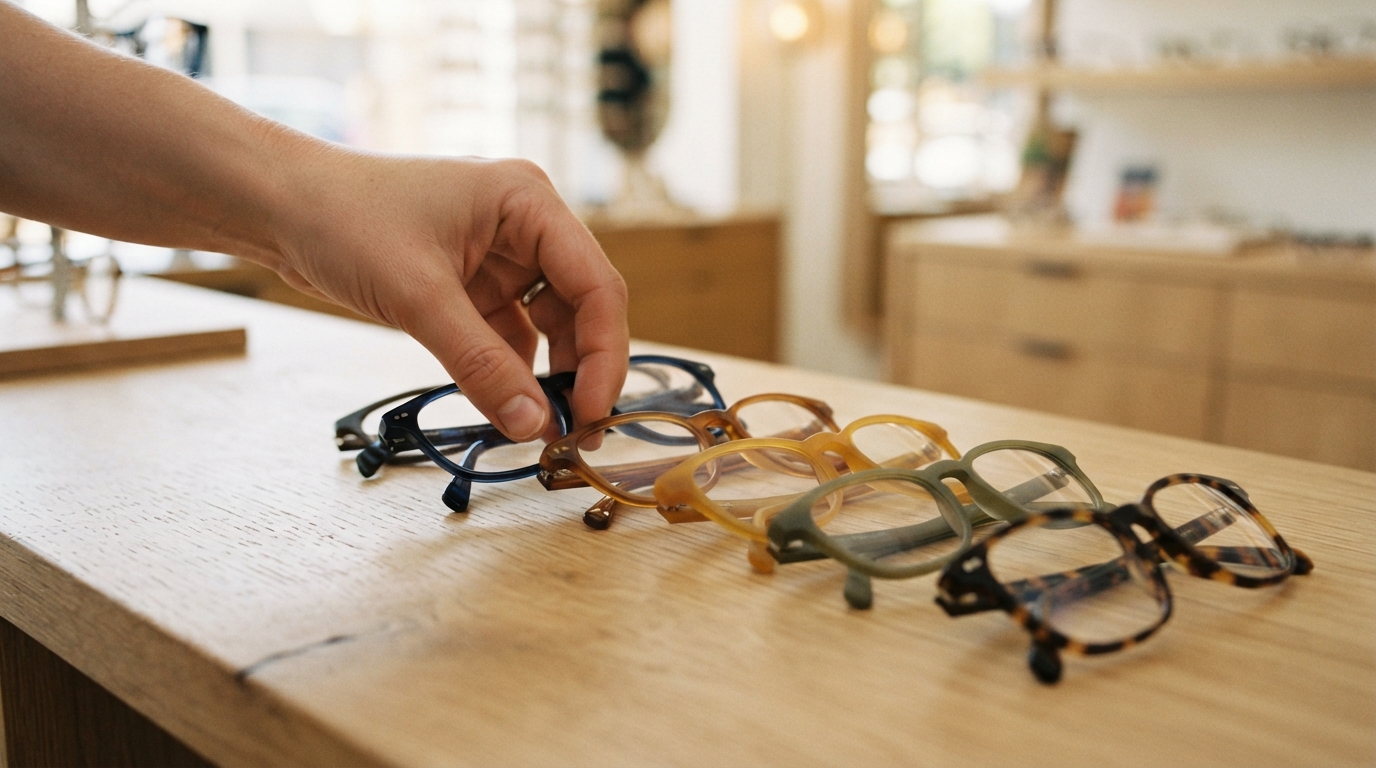
How to open an optical store
Opening an optical store takes more than picking attractive frames and waiting for foot traffic. You need to understand who buys, how often they come back, which services will keep the business running, and how much capital gets tied up in inventory and setup.
Read case
How to open a flower shop
Opening a flower shop sounds straightforward until you separate impulse buys from occasion-driven purchases and from orders that depend on fast delivery and good preservation. Before investing, it helps to understand how demand shows up, how inventory ages, and which decisions actually change the business outcome.
Read case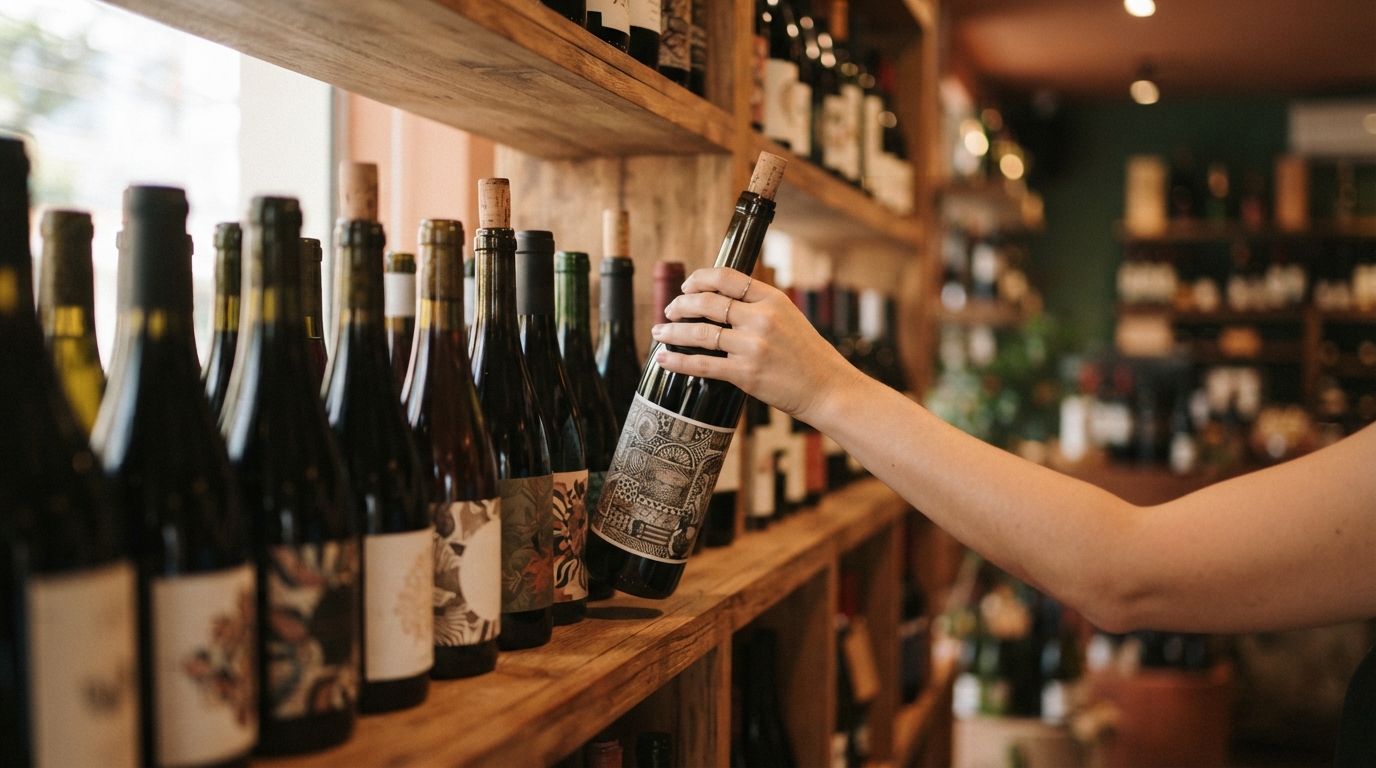
How to open a wine and beverage store
Opening a wine and beverage store sounds straightforward until you have to decide what to sell, who you’re selling to, what margin to work with, and how fast the stock needs to move. In this business, the difference between a healthy operation and a stagnant store has less to do with the category name and more to do with the combination of assortment, replenishment, average ticket, and inventory control.
Read case
How to open a sporting goods store
Opening a sporting goods store sounds straightforward until you have to decide what you’ll sell, who you’re selling to, and how fast that inventory needs to move. This kind of business combines product variety, seasonality, tight margins in some categories, and an important decision about assortment, location, and sales channels.
Read case