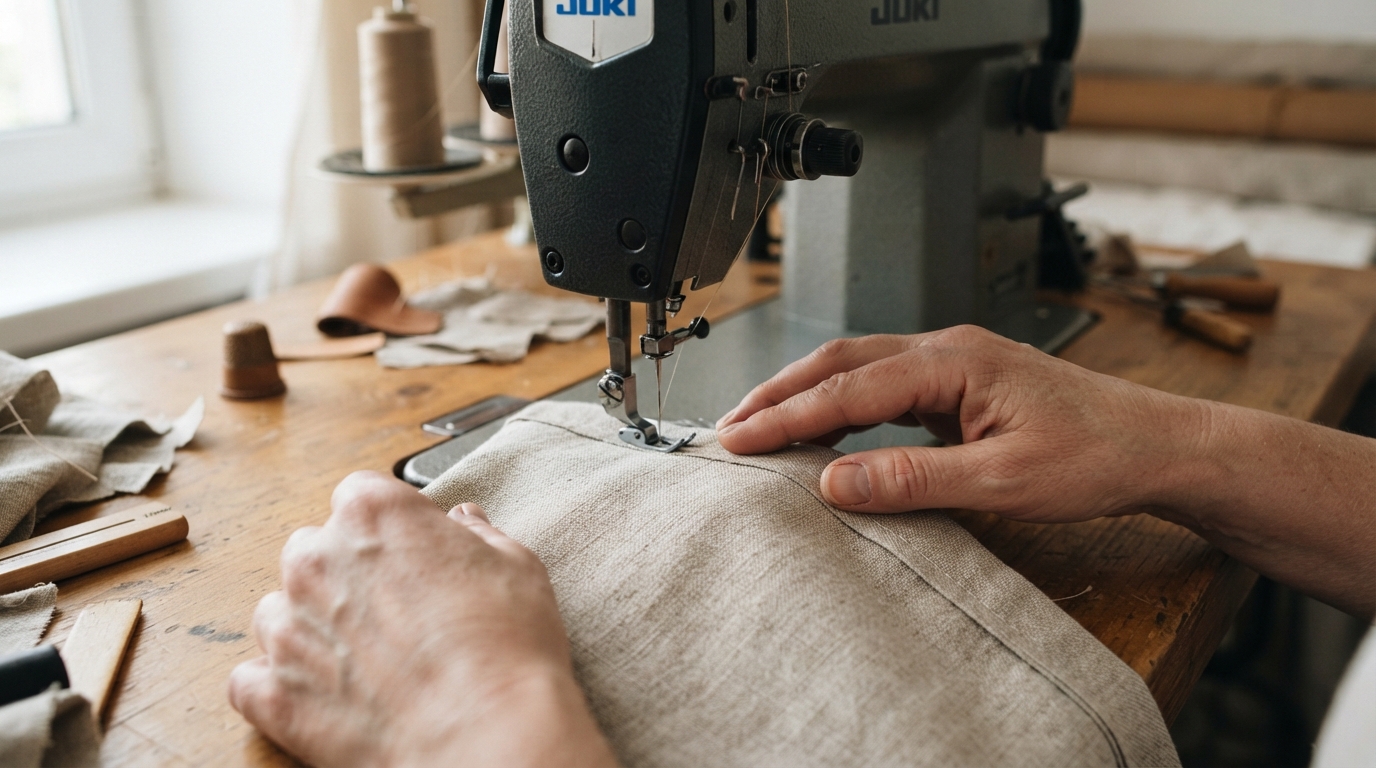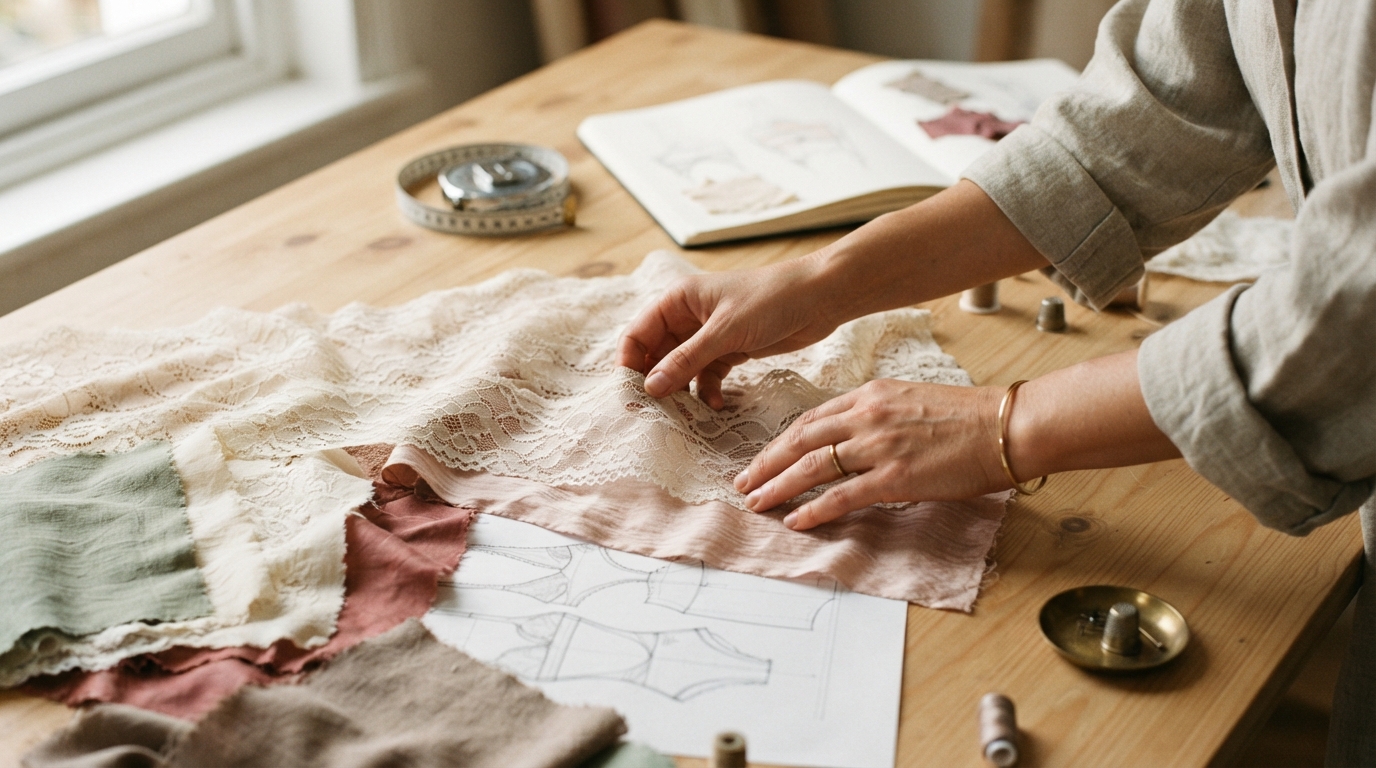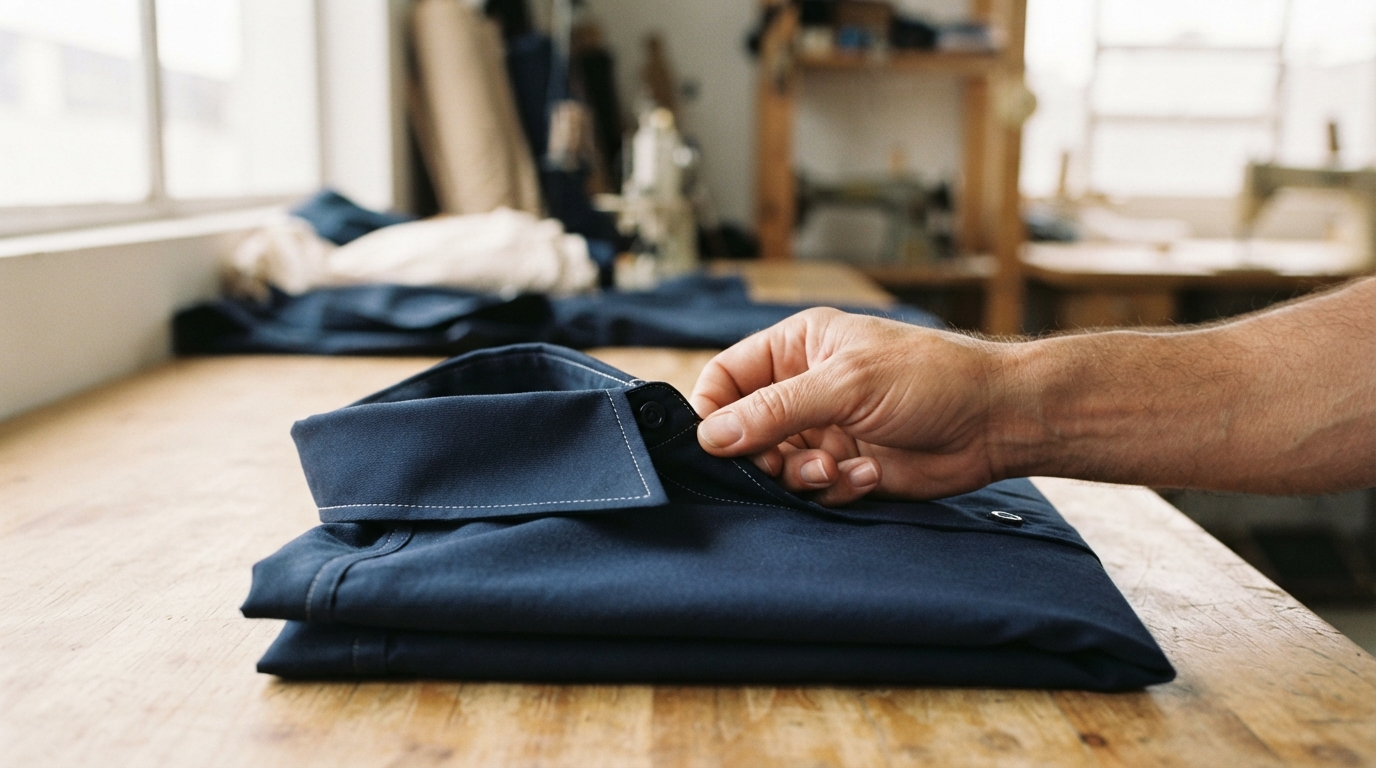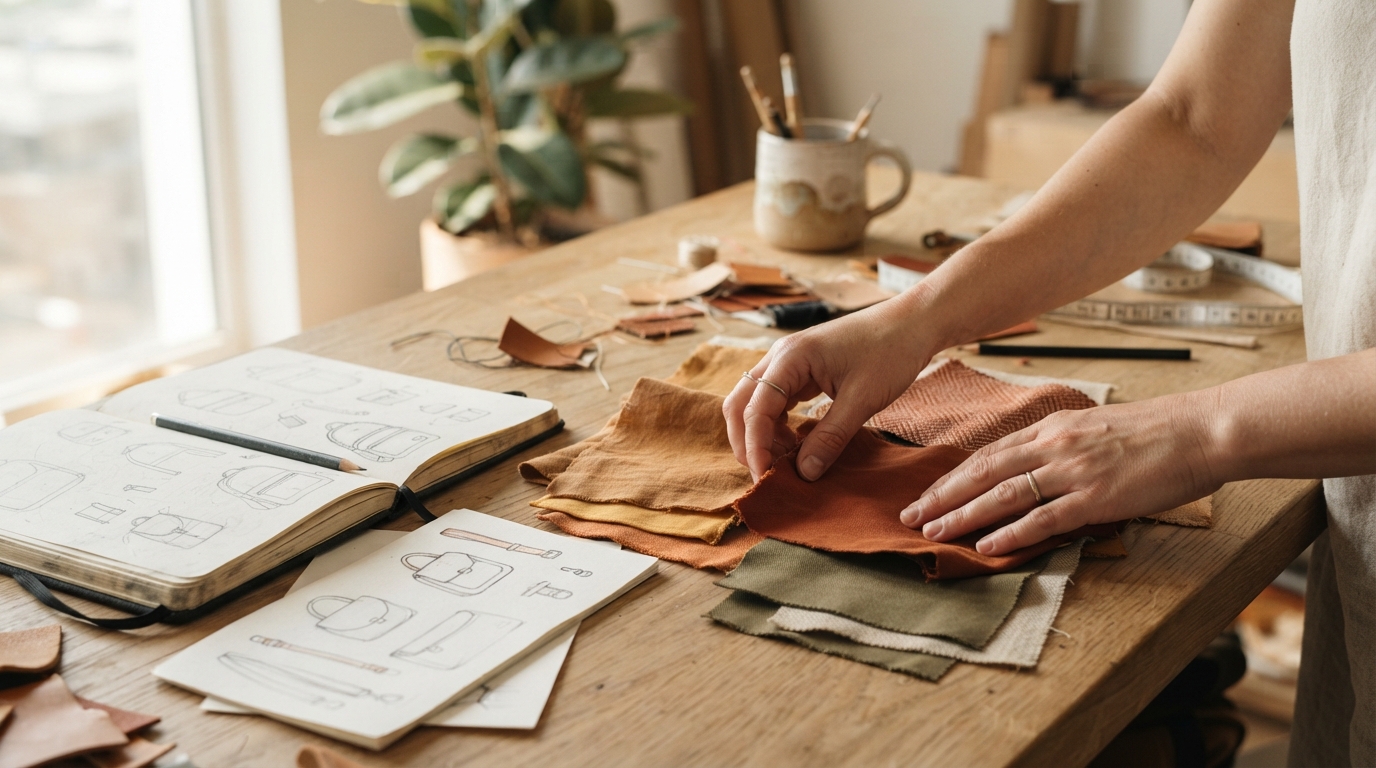
This kind of business changes a lot depending on its positioning. A factory can work with its own brand, produce for third parties, handle seasonal collections, or make custom items, and each choice changes the pace of production, the need for capital, and the way you sell.
The most common mistake is treating fabric bags and accessories as simple products. In practice, the business depends on quality standards, reliable inputs, repeatability, and a clear calculation between production cost, margin, and turnover.
- batch production
- model variation
- finish control
- textile inputs
What you need to understand before moving forward
Will you sell under your own brand or produce for others?
This decision defines almost everything: volume, margin, design demands, commercial relationships, and order predictability. Building a brand requires audience and sales channels; producing for others requires the ability to meet specifications, deadlines, and standards.
Which products will be in the first line?
You need to start with a small number of items, because every new model increases pattern testing, fabric consumption, sewing time, and the risk of mistakes. Bags, pouches, cases, shopping totes, and small accessories have different levels of complexity; trying to do everything from the start usually slows the operation down.
What level of finish does your customer expect?
In fabric products, finishing shapes perceived value. Visible stitching, lining, zippers, labels, strap reinforcement, and consistent measurements need to match the audience you want to serve, because the same product can be seen as basic or premium depending on those details.
Can you buy inputs with predictability?
Fabrics, zippers, hardware, thread, labels, and packaging need to be available in the color, standard, and timeframe your production requires. If replenishment is uncertain, the risk is not just delays, but stopping a sequence of orders or repeating a batch with material variation.
Does your sales channel fit batch production?
This business works best when you know how orders come in. Direct sales, custom orders, wholesale, and recurring supply all require different rhythms; if the channel demands a lot of customization, your factory needs to be ready for small runs and frequent model changes.
The critical points of this business
Offer
You need to decide whether you will compete on design, functionality, customization, or price. In fabric bags and accessories, the value proposition shows up in real use, in the type of finish, and in the consistency from one piece to the next.
Operations
The production layout needs to account for cutting, assembly, sewing, inspection, packaging, and sorting by model. When these steps are not standardized, rework grows and the factory loses capacity without noticing.
Supply
The choice of fabrics, notions, and suppliers affects color, durability, lead time, and batch repeatability. For this business, validating acceptable substitutes and purchasing rules is just as important as designing the product.
Financials
The investment is not only in machines. You need to map initial inputs, minimum stock, production losses, rework, packaging, and payment terms, because working capital is often decisive before sales become steady.
Channels
The factory needs to be built with the path to the buyer in mind from day one. If you will sell by custom order, wholesale, or through your own store, the production structure and order flow need to support that channel from the start.
People
Sewing, cutting, and finishing require labor with pace and consistency. The critical point is not only hiring, but being able to train people to repeat measurements, maintain quality, and reduce variation between pieces.
What can compromise the business
A product line that is too broad
When the factory starts with too many models, each piece becomes a different operation. That increases mistakes, makes inventory more expensive, and makes it harder to know which items actually sell.
Choosing fabric based only on price
The cheapest fabric can lead to warping, low durability, sewing difficulties, or a loss of appearance after use. It is worth testing the material in the final product, not just at the raw material stage.
Inconsistent finishing between batches
If measurements, stitch tension, and assembly details vary, customers notice the difference between pieces of the same model. That affects repeat purchases, especially when you sell to retailers or work with recurring orders.
Production without time-per-piece calculations
Without measuring how long each model takes, you do not know the factory’s real capacity and cannot price with confidence. The risk is accepting orders that seem feasible but end up blocking production because they require too many manual steps.
Dependence on a single sales channel
If all revenue comes from one buyer or one platform, any pause in purchases affects the operation directly. For this business, diversifying channels reduces exposure to seasonality and shifts in demand.
Turn these questions into decisions
Before investing, you need to turn an idea into a thesis and a thesis into numbers. In a fabric bag and accessories factory, that starts with understanding the market you want to serve, the production model that makes sense, and the impact of each decision on cost and turnover. That is what planning organizes: what to produce, for whom, in what format, and with what structure. In Vibz, you structure those answers before committing capital.
Business Scope
It helps define the business thesis: audience, value proposition, initial product line, and main bet. This is useful when you are still deciding whether the factory will be built around your own brand, custom orders, or third-party supply.
Market Intelligence
It organizes your reading of the market, buying profile, and the most suitable entry point. Here you structure the questions about channel, competition, expected ticket size, and room for differentiation, without confusing impressions with validation.
Operational Plan
It maps how the factory will work in practice, from cutting to packaging. This step is important for turning model choices into process, team, suppliers, and production routine before the first major purchase.
Financial Modeling
It turns the previous decisions into investment, costs, expenses, working capital, and projected cash flow. For this business, it helps you see the weight of inventory, rework, payment terms, and production capacity in the final result.
Before investing, you should know
- How many models will you launch at the start without disrupting the production routine?
- What will be the average production time for each main piece?
- How much fabric, notion, and packaging does each model consume?
- What finish standard does your customer expect, and how does that change the cost?
- Will you sell by custom order, wholesale, retail, or production for third parties?
- What is the minimum order that makes sense for your factory to operate without throwing stock out of balance?
- Which suppliers can repeat the same material and the same lead time across batches?
Sua ideia merece mais do que um palpite. Estruture o negócio, teste suas premissas e entenda se ele faz sentido antes de comprometer tempo e dinheiro.
Planejar meu negócio no Vibz