
Use cases
Industry, production and agribusiness
Frozen snack factory, uniform manufacturing, craft brewery, woodworking shop, artisan cheese dairy or organic vegetable operation: industry, production and agribusiness businesses turn raw materials into products and require infrastructure before the first sale. Equipment, licenses, product registration and sales channels need to be sorted out early.
The cases below are organized by type of production, from the urban factory to the farm. Each one shows what to evaluate in production capacity, suppliers, health and environmental requirements and who will buy the output before you invest.
Once you have defined the product, Vibz helps you turn these decisions into a plan, with the market, the operation and the numbers of your own case.
Categories
Agribusiness
Organic vegetable operations, honey production businesses, free-range egg farms and seedling nurseries are farm businesses that depend on climate, management and patience until the first harvest or sale. The key decision is who to sell to: farmers markets and direct sales, markets and restaurants, or cooperatives and wholesale, each channel with its own requirements for volume, consistency and certification. Each case below shows what to validate in land, management and sales before you invest.
Agricultural services
Agricultural inputs resale businesses, drone spraying businesses, agricultural machinery maintenance businesses and agronomy consulting businesses serve farmers who buy based on trust and results in the field. The key decision is the region and the type of farmer you serve, because demand follows the harvest calendar and local crops. Some activities require technical qualifications and specific authorizations. Each case below shows what to validate in client acquisition, staff and seasonality before you invest.
Agro-industry
Fruit pulp processing, pickles and jam processing, roasted coffee agro-industries and artisan cheese dairies turn farm production into ready-to-sell products. Adding value to raw materials increases the business potential, but requires infrastructure, quality control and health compliance. The key decision is where the raw material comes from: your own production or purchases from local producers, which changes the investment, the harvest risk and the regularity of supply. Each case below shows what to validate in registration, channels and production before you invest.
Apparel and textile production
Uniform manufacturers, intimate apparel manufacturers, sewing workshops for brands and fabric bag and accessories factories live on series production with consistent quality. Results depend on the productivity of the sewing team and on keeping machines busy. The key decision is producing for your own brand or for others: your own brand requires design, inventory and sales, while producing for others depends on contracts and on-time deliveries. Each case below shows what to validate before you invest.
Artisanal production
Craft breweries, artisan woodworking shops, ceramics studios and handmade natural cosmetics factories sell products made with skill and identity. Customers pay for quality and story, but small-scale production limits volume. The key decision is how to grow without losing the artisanal character: selling direct to consumers at fairs and online, or supplying stores and bars. Some products require registration and specific licenses before the first sale. Each case below shows what to validate before you invest.
Food industry
Frozen savory snack factories, frozen bread factories, sauce and seasoning factories and cereal bar and healthy snack factories sell to markets, snack bars, restaurants and resellers. The product needs consistent flavor, adequate shelf life and packaging that survives distribution. The key decision is the sales channel: food service, retail or direct to consumer, each with different requirements for volume, payment terms and labeling. Health licenses and good manufacturing practices are part of planning from the start. Each case below shows what to validate before you invest.
Manufacturing
Custom furniture factories, packaging factories, cleaning products factories and metal fabrication shops require machinery, space and technical staff before generating revenue. The initial investment is significant, and installed capacity needs to find steady demand. The key decision is between producing to order, with less inventory and more variety, or manufacturing in series for resellers and companies. Environmental licenses and product registration are part of planning depending on the activity. Each case below shows what to validate before you invest.
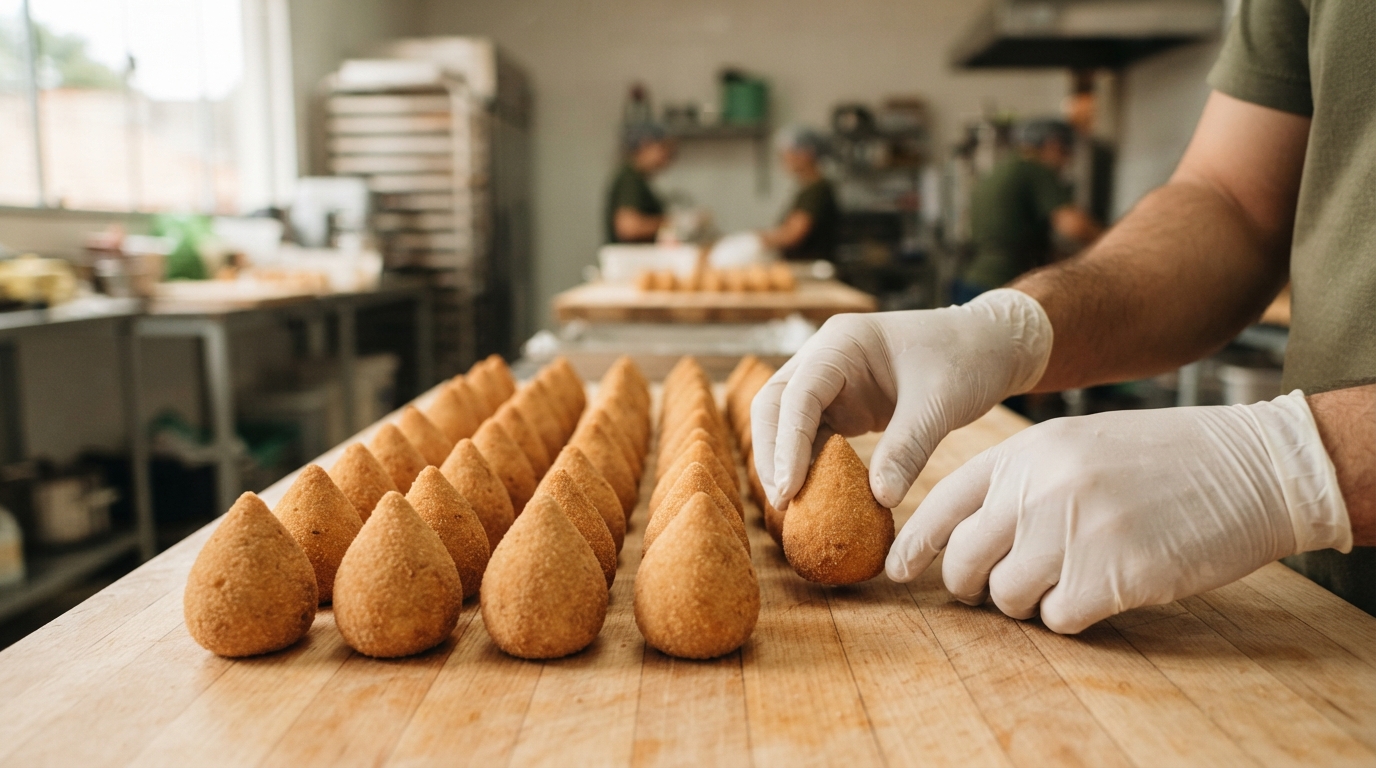
How to set up a frozen savory snacks factory
Opening a frozen savory snacks factory may look simple from the outside, but the right decision depends on volume, standardization, and distribution. If you miscalculate demand or production routine, the problem shows up quickly in unit cost and product quality.
Read case
How to start a fabric bag and accessories factory
Starting a fabric bag and accessories factory means deciding what you will produce, for whom, and at what finishing standard. Before buying machines, fabric, and notions, you need to understand whether your model depends on volume, customization, or repeatable production lines.
Read case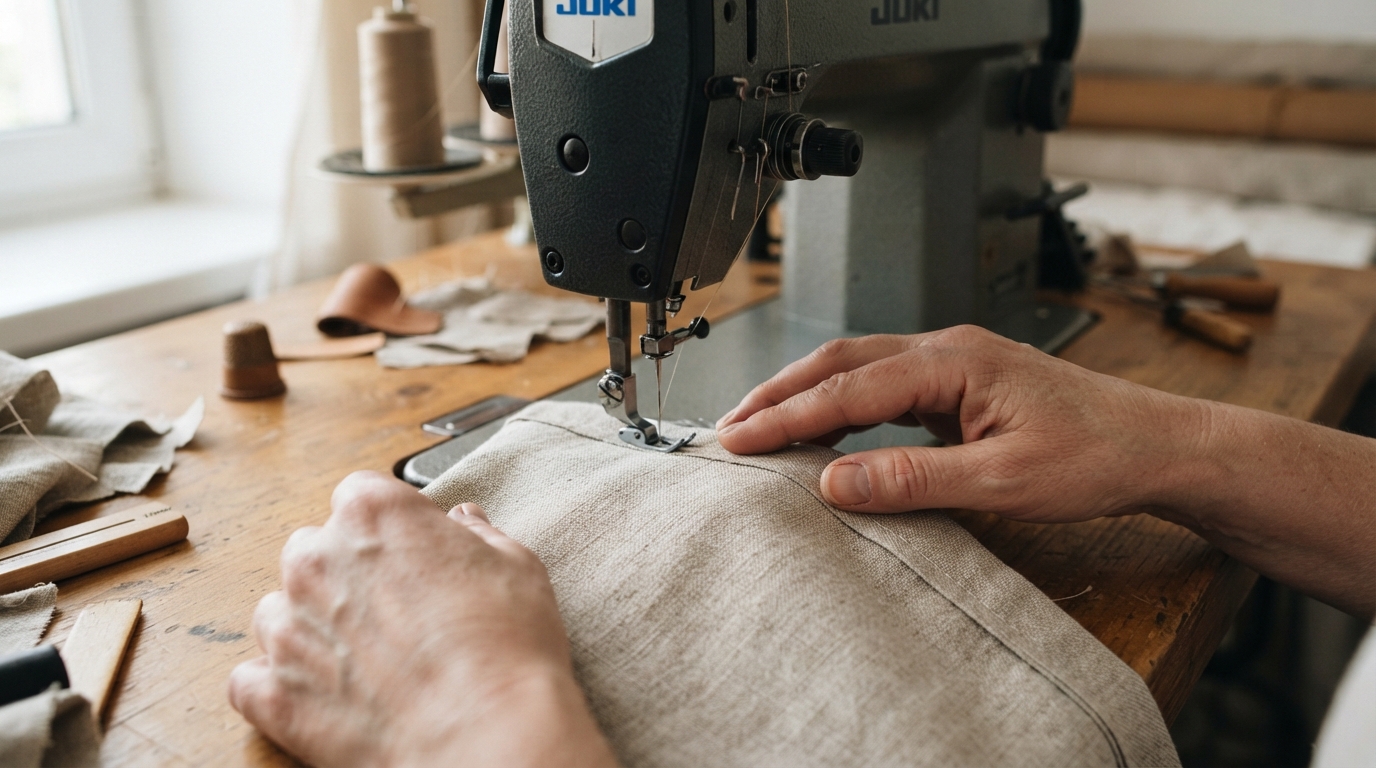
How to start a sewing workshop for brands
Starting a sewing workshop for brands takes more than knowing how to sew well. You will deal with quality standards, short deadlines, variable volume, and technical specifications that change from one client to the next.
Read case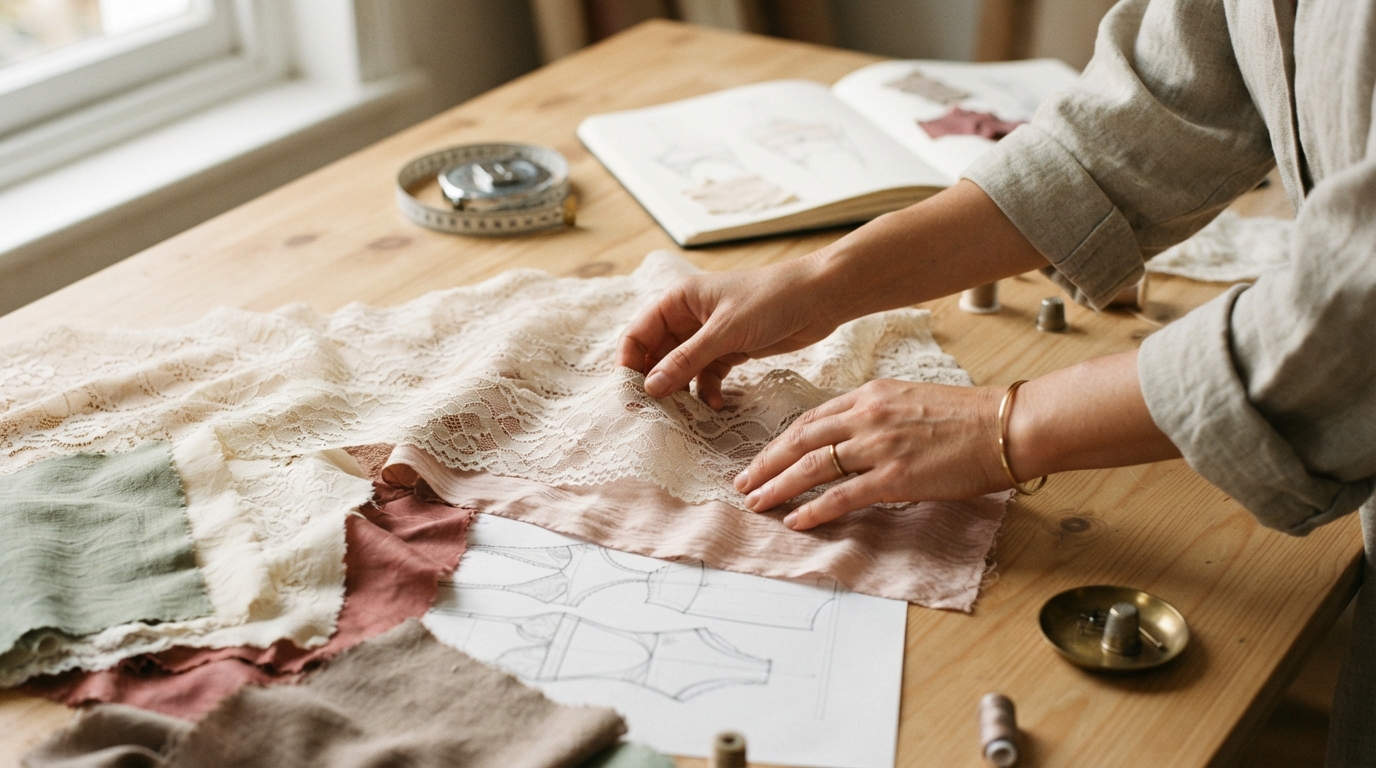
How to start an intimate apparel manufacturing business
Starting an intimate apparel manufacturing business means deciding before you produce. What looks like a sewing business is, in practice, a combination of pattern making, quality control, material purchasing, size grading, and selling into channels that accept returns and demand consistency.
Read case
How to start a frozen bread factory
Starting a frozen bread factory means making a few decisions before buying an oven, mixer, or cold room. On the surface, the business looks simple. In practice, viability depends on formulation, consistency, production capacity, shelf life, and the way you plan to sell to bakeries, grocery stores, or through your own channels.
Read case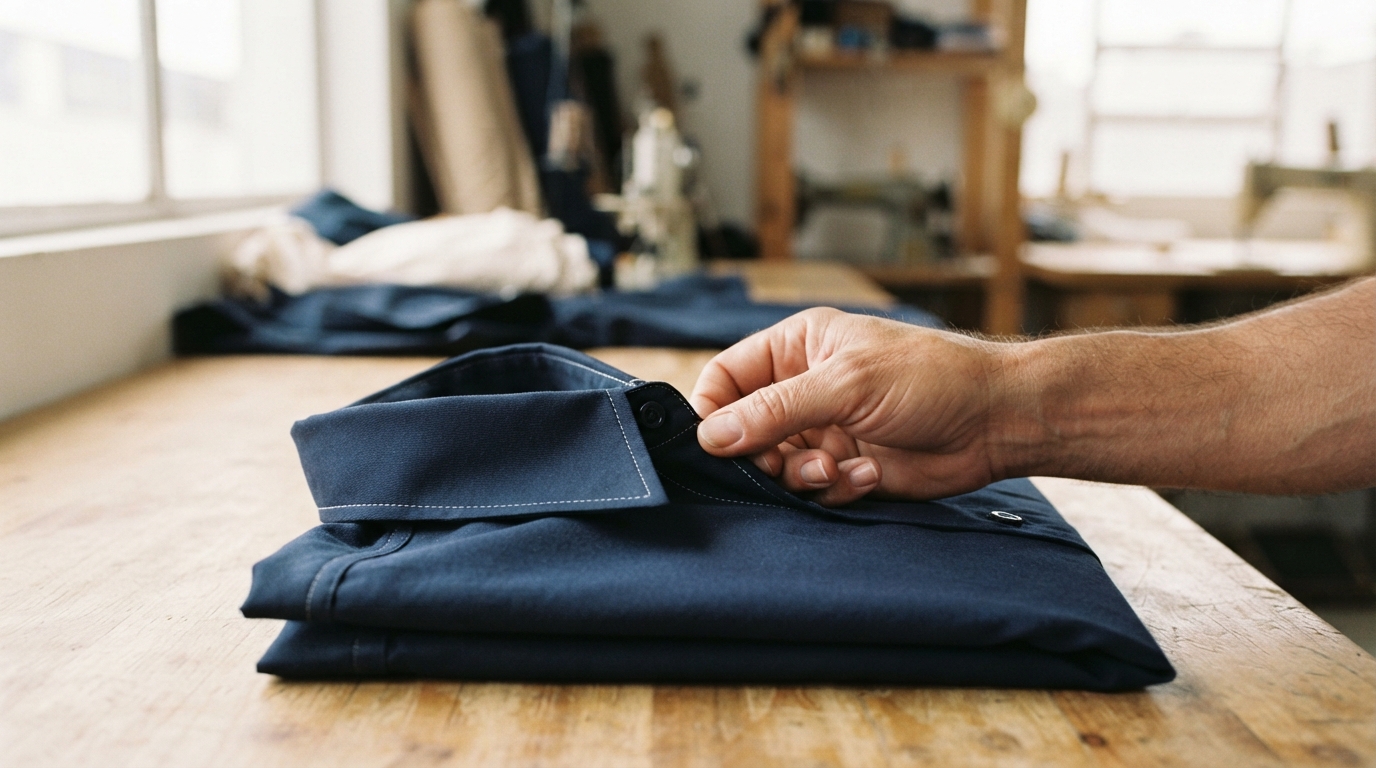
How to start a uniform manufacturing business
Starting a uniform manufacturing business sounds straightforward until you put on paper what really decides the business: quality standards, repeat orders, delivery times, and the ability to produce without mistakes. The difference between a regular workshop and a uniform operation has less to do with sewing and more to do with controlling specifications, replenishment, and customer predictability.
Read case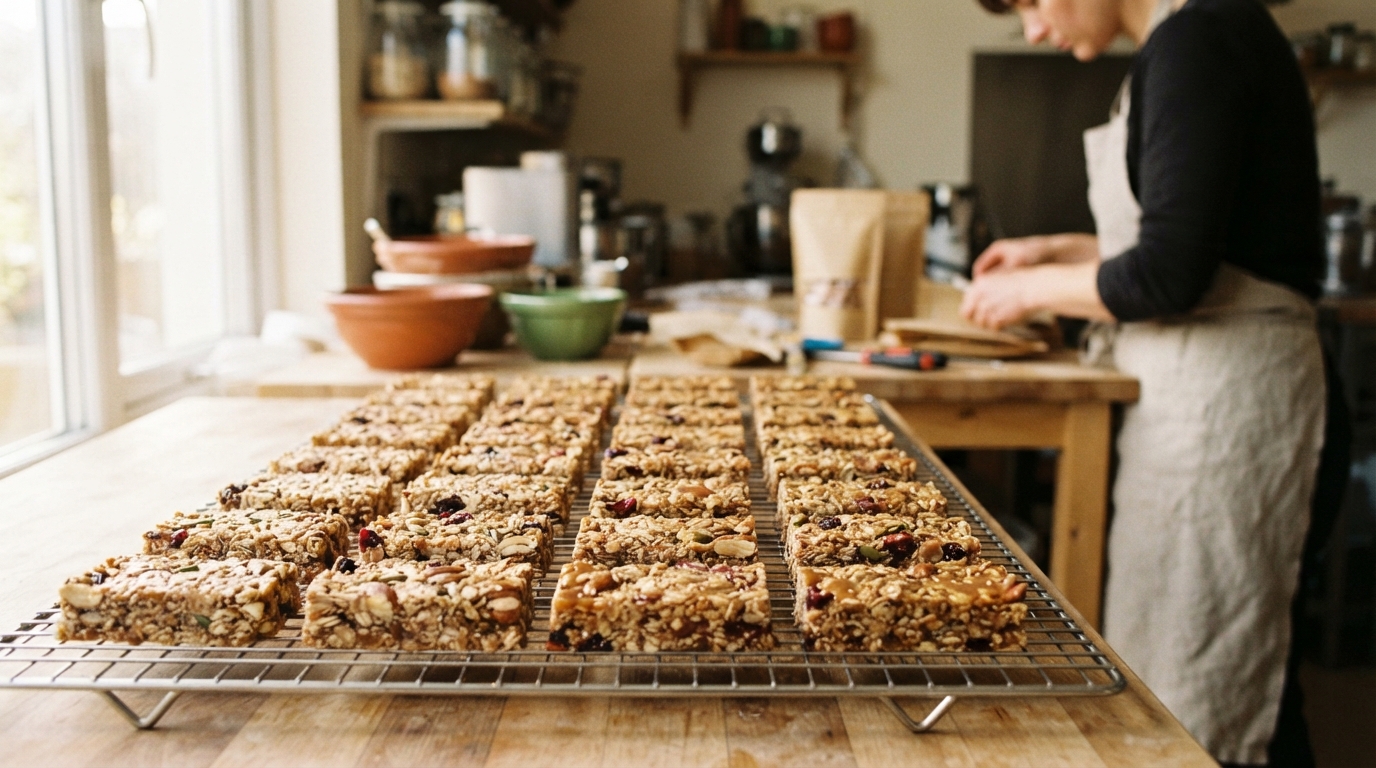
How to start a cereal bar and healthy snack factory
Starting a cereal bar and healthy snack factory may look straightforward from the outside, but the decision depends on formulation, scale, shelf life, and sales channel. What really defines the business is not just making a good product; it is being able to repeat the same standard, protect margin, and sell something retailers are willing to buy and restock.
Read case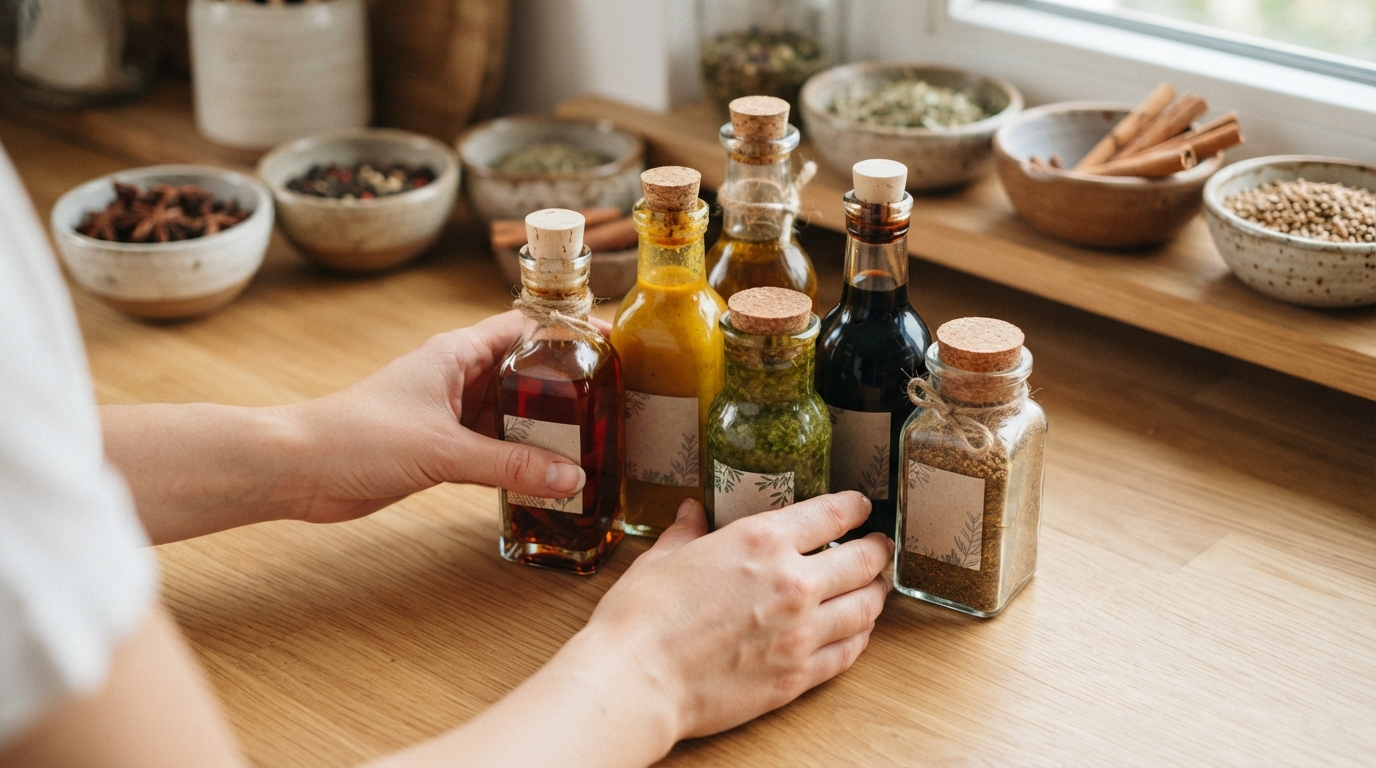
How to start a sauce and seasoning factory
Starting a sauce and seasoning factory sounds straightforward until you separate product, process, and sales channel. The business requires deciding whether you will work with short or long shelf life, small or larger batch production, and whether the focus will be private label, outsourcing, or sales to retail and food service.
Read case
How to start a packaging factory
Starting a packaging factory takes more than knowing how to produce well. You need to decide what kind of packaging you will make, who you will sell to, and what structure makes sense for the volume you want to serve.
Read case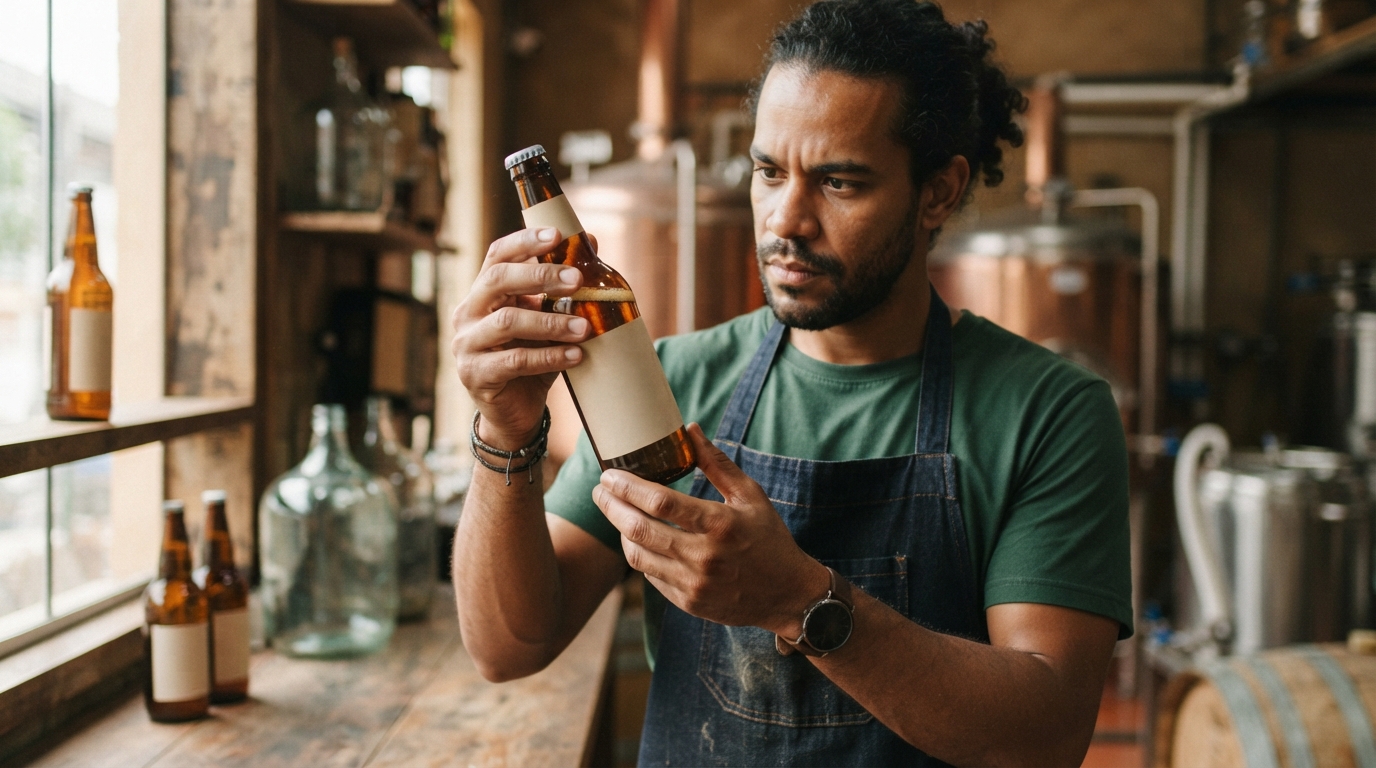
How to start a craft brewery
At first glance, opening a craft brewery looks like a decision about recipes and equipment. In practice, it is a decision about production capacity, sales consistency, quality control, and the capital needed to keep the cycle moving between brewing, conditioning, selling, and getting paid.
Read case
How to set up a ceramics studio
Opening a ceramics studio may seem to start with the worktable and the kiln, but the real decision is different: you need to know whether you will sell original pieces, classes, custom orders, or some combination of the three. Each model requires a different operation, a different production rhythm, and a different amount of capital tied up, which changes the business risk quite a bit.
Read case
How to start a handmade natural cosmetics factory
Starting a handmade natural cosmetics factory means deciding, before buying ingredients and equipment, what you will produce, at what scale, and with what safety standards. Here, the difference between a good idea and a viable business lies in formulation, production consistency, and the ability to meet sanitary requirements without slowing the operation.
Read case