
Use cases
Pet and animal market
Pet shop, grooming business, veterinary clinic, dog hotel, dog training or natural pet food: the pet market serves owners who treat their animals as family and come back often when they trust the service. That repeat business is the sector's strength, and also what demands care in the operation.
The cases below are organized by type of business, from retail to health, care and training services. Each one shows what to evaluate in location, staff, licenses and the relationship with pet owners before you invest.
Once you have chosen your business, Vibz helps you turn these decisions into a plan, with the market, the operation and the numbers of your own case.
Categories
Boarding and daycare
Dog hotels, cat hotels, dog daycares and pet sitting and dog walking services care for animals when owners can't. Trust is everything: owners need to be sure their pet is safe, well fed and looked after. The key decision is between your own space, which requires facilities, licenses and rules for animals living together, and care at the owner's home, which depends on scheduling and travel. Demand also changes a lot around holidays and vacations. Each case below shows what to validate before you invest.
Grooming
Pet grooming businesses, mobile pet grooming, in-home grooming services and pet spas live on recurring appointments. Owners who like the result come back often and recommend the service to other pet owners. The key decision is where the service happens: in your own space, in an adapted vehicle or at the client's home. Each format changes the initial investment, the number of appointments per day and how you promote the business. The cases below show what to validate before you invest.
Pet food
Pet food and supplement stores, natural pet food factories, pet bakeries and pet food subscription services with delivery sell a product that is bought again and again. Owners who find something their pet likes usually keep buying from the same place. The key decision is whether to resell or produce: reselling depends on price, inventory and delivery, while your own production requires product registration, quality control and sales channels. Each case below shows what to validate before you invest.
Pet shops
Neighborhood pet shops, pet shops with veterinary services, pet shops specializing in birds and ornamental fish, pet accessories and clothing stores and online pet stores compete for owners who buy often and compare prices with the internet and big chains. The key decision is what will bring customers back: food and replenishment items, services such as grooming and veterinary care, or a niche the big stores don't serve well. Each case below shows what to validate in product mix, location and competition before you invest.
Specialized services
Pedigree dog breeding kennels, pet crematoriums and funeral services, animal physiotherapy and rehabilitation and animal transport services meet specific needs, with less competition and more technical and legal requirements. The key decision is confirming that demand in your region can support such a specific service, and which partnerships, such as veterinary clinics and pet shops, will bring the first clients. Each case below shows what to validate in licenses, facilities and client acquisition before you invest.
Training
Dog training services, puppy training and socialization schools, pet behavior consulting and guard and protection dog training centers sell visible results in the animal's behavior. Referrals from satisfied owners are the main source of clients. The key decision is the format: sessions at the owner's home, group classes in your own space or intensive training programs. It defines the investment in facilities and how many animals you can serve. Each case below shows what to validate before you invest.
Veterinary clinics
Veterinary clinics, cat-only veterinary clinics, 24-hour veterinary hospitals and house-call veterinary services combine technical care with a relationship of trust with the owner. They require a responsible veterinarian, professional registration and proper facilities for each type of care. The key decision is the level of complexity: consultations and vaccines, surgery and hospitalization, or round-the-clock care, each with very different equipment and staff. Each case below shows what to validate before you invest.

How to open a cat hotel
Opening a cat hotel sounds straightforward until you separate what is lodging, what is animal handling, and what is the trust of the pet owner. In this business, the decision is not based only on liking cats, but on understanding routine, safety, space, customer profile, and the level of care your operation can consistently maintain every day.
Read case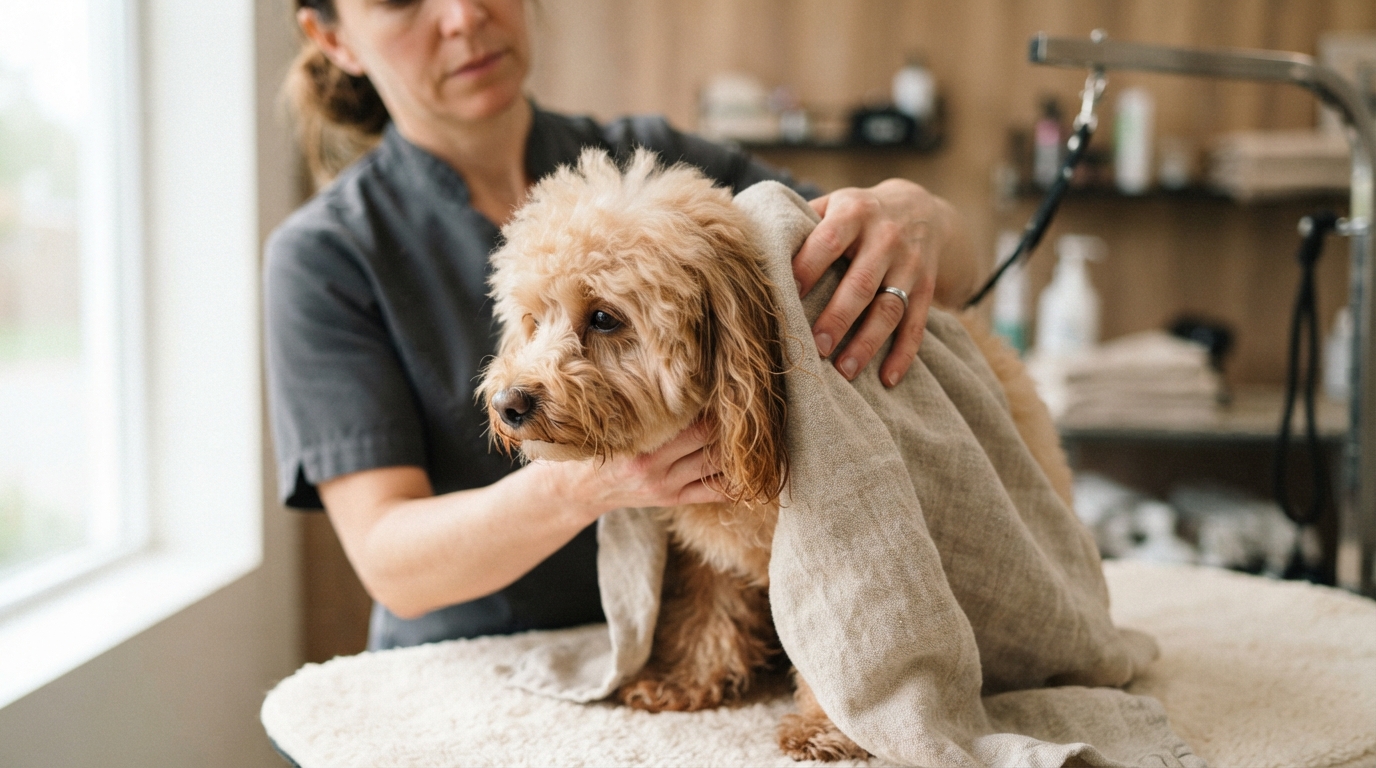
How to open a pet spa and grooming business
Opening a pet spa and grooming business sounds straightforward until you separate what is recurring service, what depends on trust, and what requires a well-structured operating routine. In this kind of business, the decision is not just about serving well, but about understanding animal profiles, service time, team capacity, and delivery standards.
Read case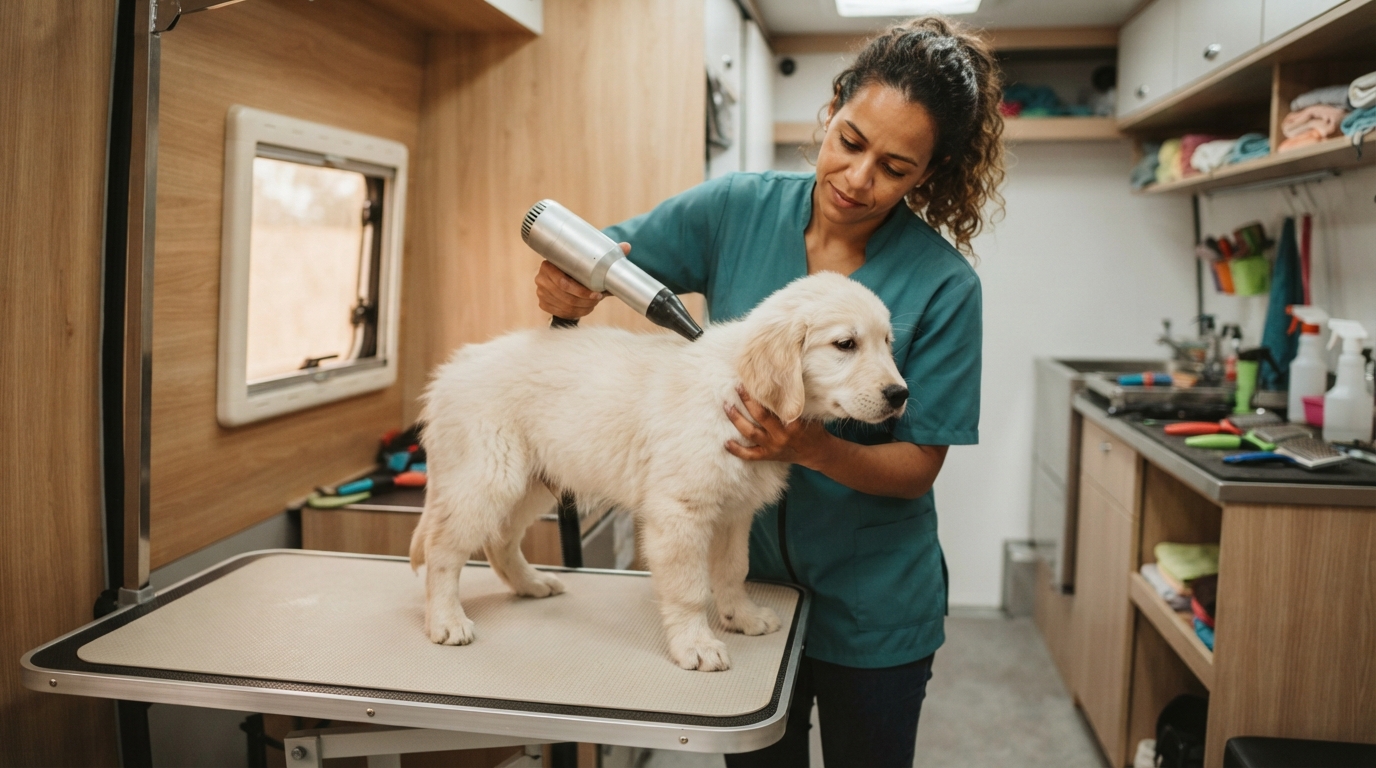
How to start a mobile pet grooming business
Starting a mobile pet grooming business changes the logic of the operation from day one. You are not relying only on a fixed address; you are relying on route planning, scheduling, service time, water, energy, waste disposal, and the ability to deliver good service in a small space.
Read case
How to open a pet shop with veterinary services
Opening a pet shop with veterinary services means deciding, first of all, whether you are building a retail store with clinical support or a healthcare operation with retail around it. That difference changes the location, the team, the daily routine, the licensing, and the way you calculate revenue, because appointments, grooming, product sales, and medical services do not behave the same way.
Read case
How to open a dog hotel
Opening a dog hotel sounds straightforward until you separate boarding, care routines, and responsibility for someone else’s animals. The business depends on occupancy, physical structure, trained staff, and clear rules for admission, stay, and emergencies.
Read case
How to start a natural pet food factory
Starting a natural pet food factory takes more than a good recipe and a nice label. You need to decide what kind of product you’ll make, how you’ll keep batches consistent, and how far you can go without getting stuck on operations, shelf life, and distribution.
Read case
How to open a guard and protection dog training center
Opening a guard and protection dog training center takes more than knowing how to train dogs. You’ll deal with high client expectations, operational risk with animals, and a service that has to be safe, consistent, and well documented.
Read case
How to start a dog training service
Starting a dog training service looks simple from the outside, but a good decision depends on understanding what problem you solve, for whom, and in what format. What changes the outcome here is not just training technique, but clarity about demand, service routine, travel, and whether clients keep coming back.
Read case
How to start a pet behavior consulting service
Before starting a pet behavior consulting service, you need to understand whether you are selling technical knowledge, ongoing support, or a package that combines guidance and execution. This business looks simple from the outside, but it depends on solid diagnosis, the tutor’s trust, and an offer that makes clear what is included and what is not.
Read case
How to open a dog daycare
Opening a dog daycare sounds straightforward until you factor in routine, safety, space, and the profile of your clients. The business depends on trust, organized operations, and the ability to handle animals in a group without losing control of the service.
Read case
How to start a pet sitter and dog walking service
Starting a pet sitter and dog walking service may seem simple, but the decision depends on routine, trust, and the ability to deliver well without losing control of the operation. You need to understand who will hire you, when demand shows up, and how to turn individual care into a consistent service.
Read case
How to open a pet accessories and clothing store
Opening a pet accessories and clothing store may look straightforward from the outside, but the real decision is understanding what you will sell, who you will sell to, and how often that inventory will move. In this kind of business, the difference between steady sales and a dead display often comes down to the product mix, the customer profile, and the ability to adjust stock without getting stuck with inventory.
Read case