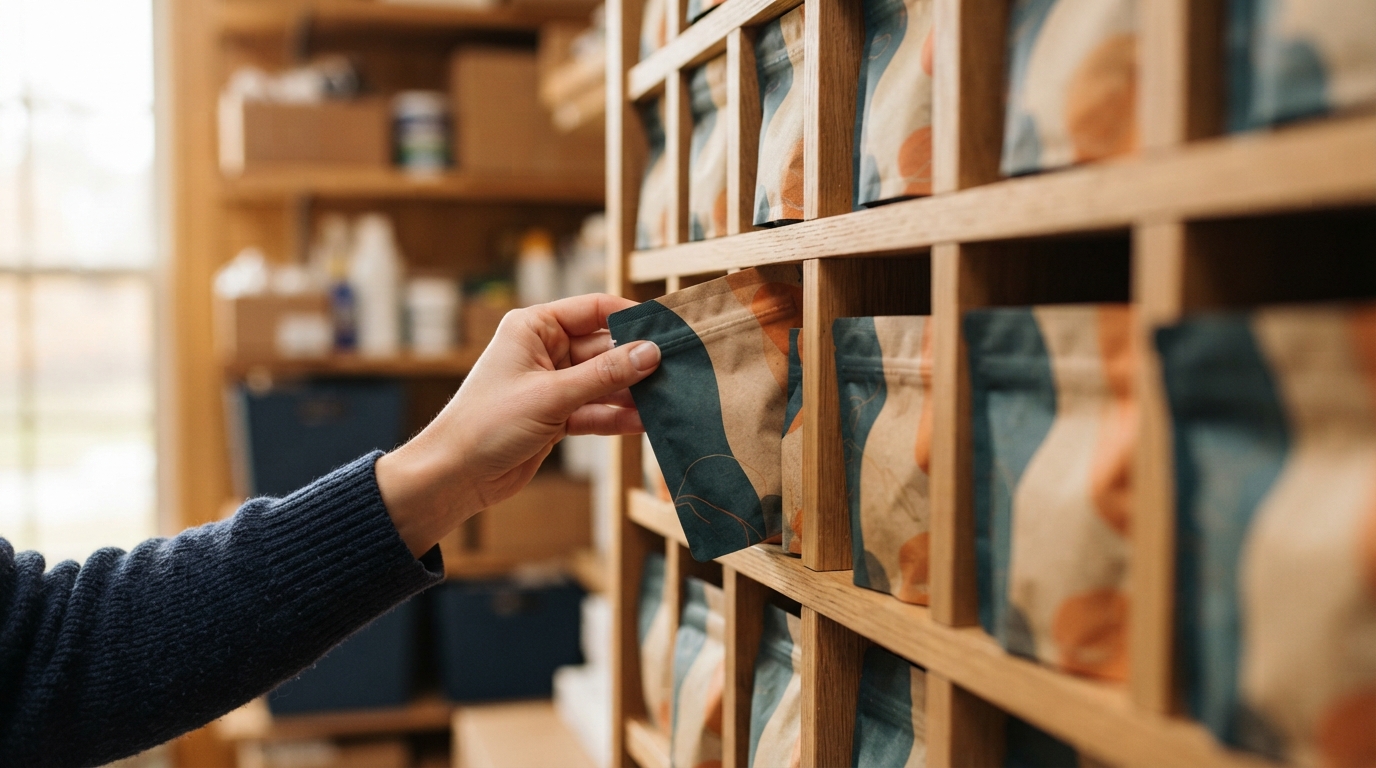
A pet food and supplements store combines repeat purchases, a broad product mix, and the need for carefully chosen inventory. You can sell to dog and cat owners, but also to people looking for specific items by size, life stage, dietary restriction, or nutritional goal.
The business changes a lot depending on the region, the type of customer, and how much guidance you plan to offer in service. Before opening, it is worth deciding whether you want to compete on convenience, specialization, or the relationship with customers who buy every month.
- repeat purchases
- inventory mix
- technical service
- dry storage
What you need to understand before moving forward
Who buys regularly in your area?
You need to identify whether the surrounding area has pet owners who restock food often, and whether they buy near home, through delivery, or in a physical store. That defines the pace of replenishment and shows whether the business depends on local traffic or on a customer base.
What product range makes sense for your audience?
Not every store needs to carry the same level of variety. What you need to find out is whether local customers are looking for price, convenience, or more specific product lines, because that changes the capital tied up in inventory and how you build the mix.
Will you sell only food or also higher-margin items?
The decision to focus on food, include supplements, and expand into accessories changes the cash flow logic. Food tends to drive turnover, while other items help build margin, but they require control so they do not turn into scattered stock.
How much space do you have to store products without damage?
Food and supplements require dry, organized storage with control over expiration dates and packaging. If the space is small or poorly ventilated, you need to reduce variety or work with more frequent replenishment to avoid losses.
Can you meet the customer’s need for guidance?
A large part of sales depends on helping customers compare formulas, size, life stage, and restrictions. If you do not plan to advise them, you need to compensate with very clear product curation and an operation that reduces the chance of the wrong purchase.
The critical points of this business
Market
You need to map who buys pet products in the area, how they buy, and how often they restock. In a pet food and supplements store, demand is not generic: it varies by pet profile, purchasing power, and proximity to other sales points.
Offer
The mix needs to balance fast-moving items with products that increase average ticket and margin without tying up capital. The choice of brands, sizes, and lines should reflect the real profile of the customers you want to serve, not an overly broad shelf.
Operations
The business depends on expiration control, category organization, and replenishment without stockouts. It also requires attention to weight, volume, and handling, because these affect receiving, storage, and service at the counter or through delivery.
Financial
You need to project how much money stays locked in inventory, how long it takes to turn over, and what sales volume supports the operation. In a pet food store, getting the stock wrong usually hurts more than getting the display wrong, because tied-up capital shows up fast.
Location
The store works better where there is a dense population of pet owners and easy access for quick purchases. The location needs to fit the customer’s restocking routine, not just foot traffic.
Channels
It is worth deciding from the start whether sales will be only in person or whether there will also be delivery, quick pickup, and recurring orders. In many neighborhoods, repeat business depends more on channel convenience than on a visit to the store.
What can compromise the business
Too broad a mix for the available capital
It is common to open with too many brands, sizes, and categories at once. The result is usually slow-moving stock and not enough depth in the items that actually turn; to avoid that, define which products support the operation and which ones only come in after validation.
Choosing the location based only on rent
A cheap location may look like an advantage, but losing access to the people who buy food regularly costs more later. Before signing, check whether the area has residents, easy pickup access, and enough space for loading and unloading.
Relying on improvised guidance at the counter
If the team does not know how to compare products by size, life stage, and dietary restriction, the chance of a wrong sale goes up. That leads to exchanges, dissatisfaction, and lost trust, so service needs to be trained for the kind of questions this business attracts.
Ignoring expiration dates and storage
Food, treats, and supplements can lose quality if turnover is poorly managed or if stock is exposed to heat and humidity. The risk is not just disposal; it is selling products that look bad and hurt repeat purchases.
Selling without a clear delivery and replenishment policy
If the customer always buys the same item, any delay becomes a loss of repeat business. You need to define when delivery makes sense, when pickup at the store makes sense, and how to organize recurring orders without relying on improvisation.
Turn these questions into decisions
Understanding buying habits, inventory size, and how the business will run is what separates a viable store from one full of dead stock. Vibz helps organize these decisions before the investment, so you can move from idea to a plan that makes sense in your market.
Business Scope
Use this stage to turn the store idea into a clear thesis: which audience you want to serve, which categories come in at the start, and what problem the store solves better than other options in the area.
Market Intelligence
Here you structure your reading of the area, customer profile, and local competition, so you can decide whether it makes more sense to compete on convenience, variety, or specialization.
Operational Plan
This stage helps you design how the store will work in practice, from receiving and storage to service, replenishment, and possible delivery. This is where you validate whether the model fits the space and the routine you plan to take on.
Financial Modeling
Use this stage to turn the product mix, initial inventory, and operating costs into projections. It shows how much capital is tied up and which decisions need to be settled before you buy the first batch.
Before investing, you should know
- How many customers in the area buy pet food every month, and which channels do they prefer?
- What is the minimum product mix that serves the audience without tying up your capital in slow-moving stock?
- How much dry, organized space do you need to store inventory safely?
- What sales volume by category is enough to cover rent, staff, and replenishment without squeezing cash flow?
- Will you operate only with store pickup, or also with delivery and recurring orders?
- Which brands, sizes, and product lines make sense for the buying profile you identified?
Sua ideia merece mais do que um palpite. Estruture o negócio, teste suas premissas e entenda se ele faz sentido antes de comprometer tempo e dinheiro.
Planejar meu negócio no Vibz