A pet bakery and confectionery depends on a well-defined menu, a consistent production process, and careful ingredient choices that matter for dogs and cats. You are not just selling something that looks nice; you are selling perceived safety, repeat purchases, and an experience the owner trusts enough to give to the animal.
Before investing, it helps to treat this business as a food operation with an extra layer of validation: the pet has to accept the product, the owner has to understand the value, and the margin has to survive small batches, losses, and too much variety. That changes how you plan inventory, packaging, sales channels, and production frequency.
- batch production
- short shelf life
- trust-based buying
- pet menu
What you need to understand before moving forward
Are your customers buying for immediate consumption or for restocking?
That defines production frequency and batch size. If purchases are recurring, you need a stable production line and shelf-life control; if they are more occasional, packaging, presentation, and variety carry more weight in the buying decision.
Which products will animals accept without resistance?
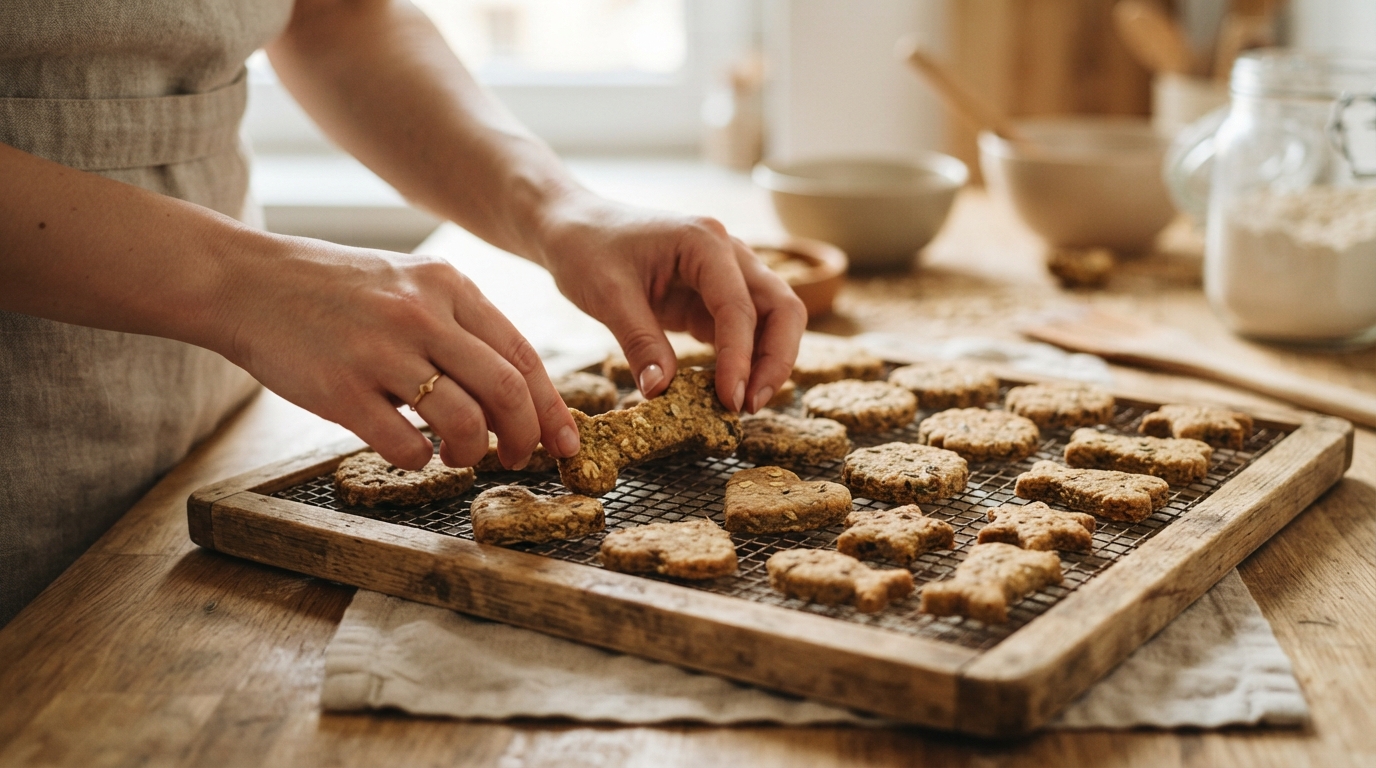
A product can look great and still sell poorly if the pet does not eat it easily. You need to test texture, aroma, size, and shape with animals that match the profile you want to serve, because low acceptance turns into dead stock and weak repeat sales.
Can your menu fit a small operation?
The more different items you offer, the greater the chance of losing consistency, confusing production, and increasing leftovers. The best approach is to start with a few well-executed lines and expand only when you understand which products move and which ones demand too much effort for too little return.
Is the offer giftable, functional, or both?
That decision changes packaging, perceived price, and sales channel. Gift products call for better finishing and visual communication; functional products call for clarity about use, size, and purchase frequency.
Can you produce with ingredient and shelf-life control?
This business requires attention to what goes into the recipe, what needs refrigeration, and what cannot sit too long. If you do not map ingredients, shelf life, and storage properly, losses show up fast and hurt margin.
Will sales be local, made to order, or through a physical location?
Each channel changes the pace of the business. Made-to-order reduces leftover risk, a physical location increases exposure and impulse buying, and local sales require simple logistics and packaging that can handle transport without losing presentation.
The critical points of this business
Offer
The mix needs to be designed around the animal and the owner, not to please everyone. You need to validate which formats, flavors, and sizes make sense for dogs and cats, and which items can be produced with consistency and repeatability.
Operations
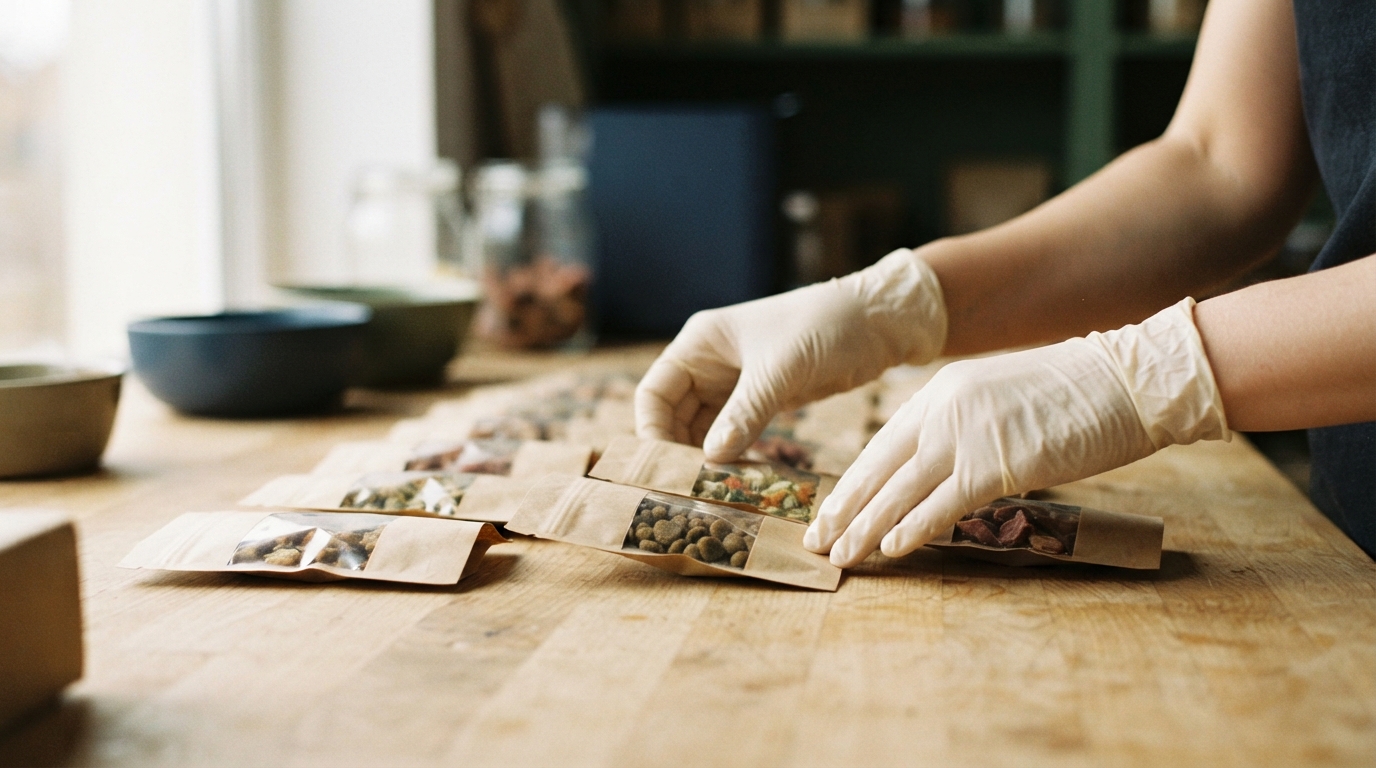
Production needs to work in small batches, with hygiene control, ingredient separation, and a clear routine for preparation, cooling, and storage. In this business, improvisation reduces quality and increases the risk of selling something outside the standard.
Financials
The math does not work just because the selling price looks right; it depends on recipe yield, spoilage from shelf life, packaging, labor, and restocking frequency. You need to know how much each line contributes to covering overhead and which products exist mainly to bring traffic.
Location
If you have a physical store, the area needs to have pet owners moving through it and a buying pattern that fits convenience. But the address alone does not solve it: you need to understand whether the format depends on visits, quick pickup, or recurring orders.
Regulation
Because you are working with food production, the operation needs to follow hygiene, labeling, and formalization requirements that fit the business size. It is also worth checking what can and cannot be promised in communication, so you do not sell a benefit that the recipe or the label cannot support.
Channels
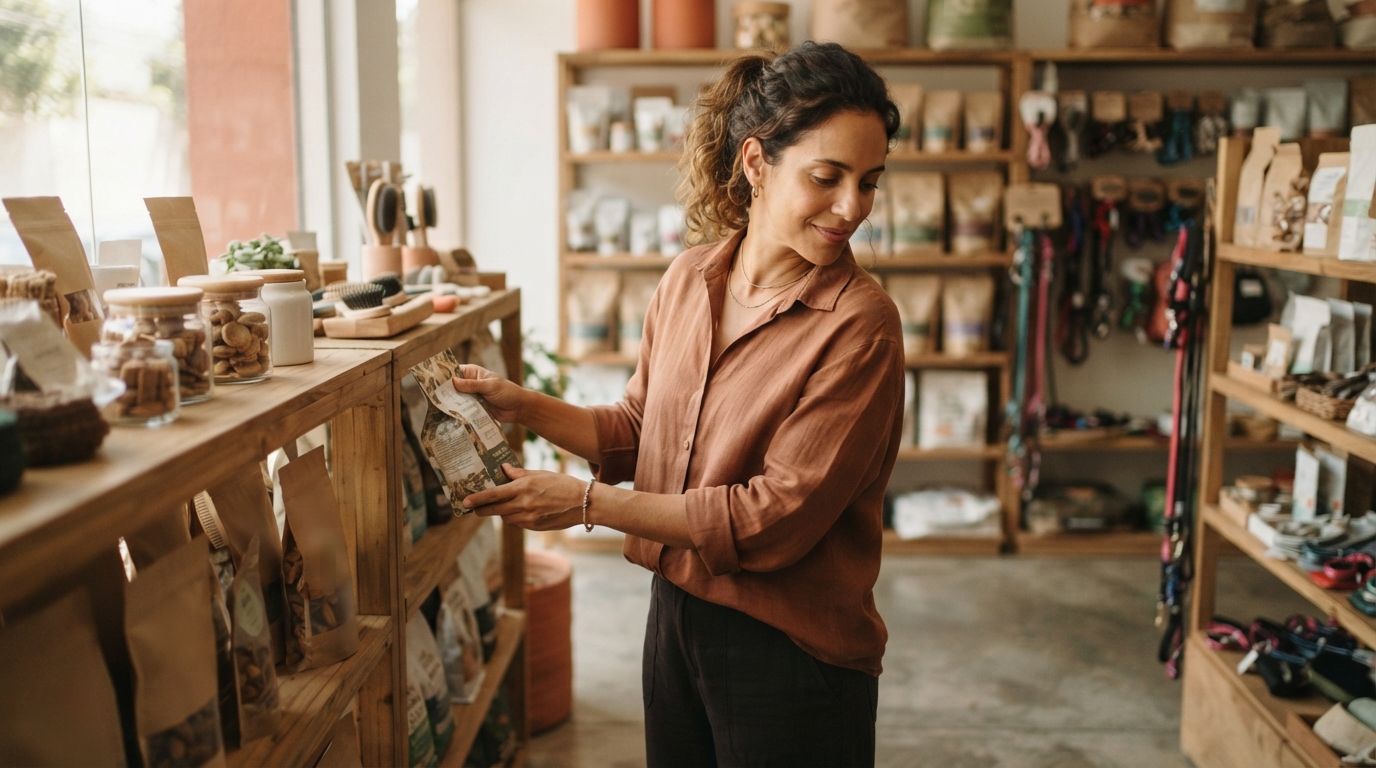
This business usually sells better when the channel combines visual appeal and trust. You need to decide whether the entry point will be a storefront, made-to-order sales, seasonal kits, or local presence, because each channel favors a different type of product and production rhythm.
What can compromise the business
Building a menu that is too ambitious for what the kitchen can actually handle. When variety grows before the process does, production loses consistency, leftovers increase, and you end up working to maintain the mix instead of selling well.
Choosing ingredients without testing acceptance and stability. A product may look good on paper and fail in practice because of texture, smell, preservation, or low acceptance by the animal, which hurts repeat sales and reputation.
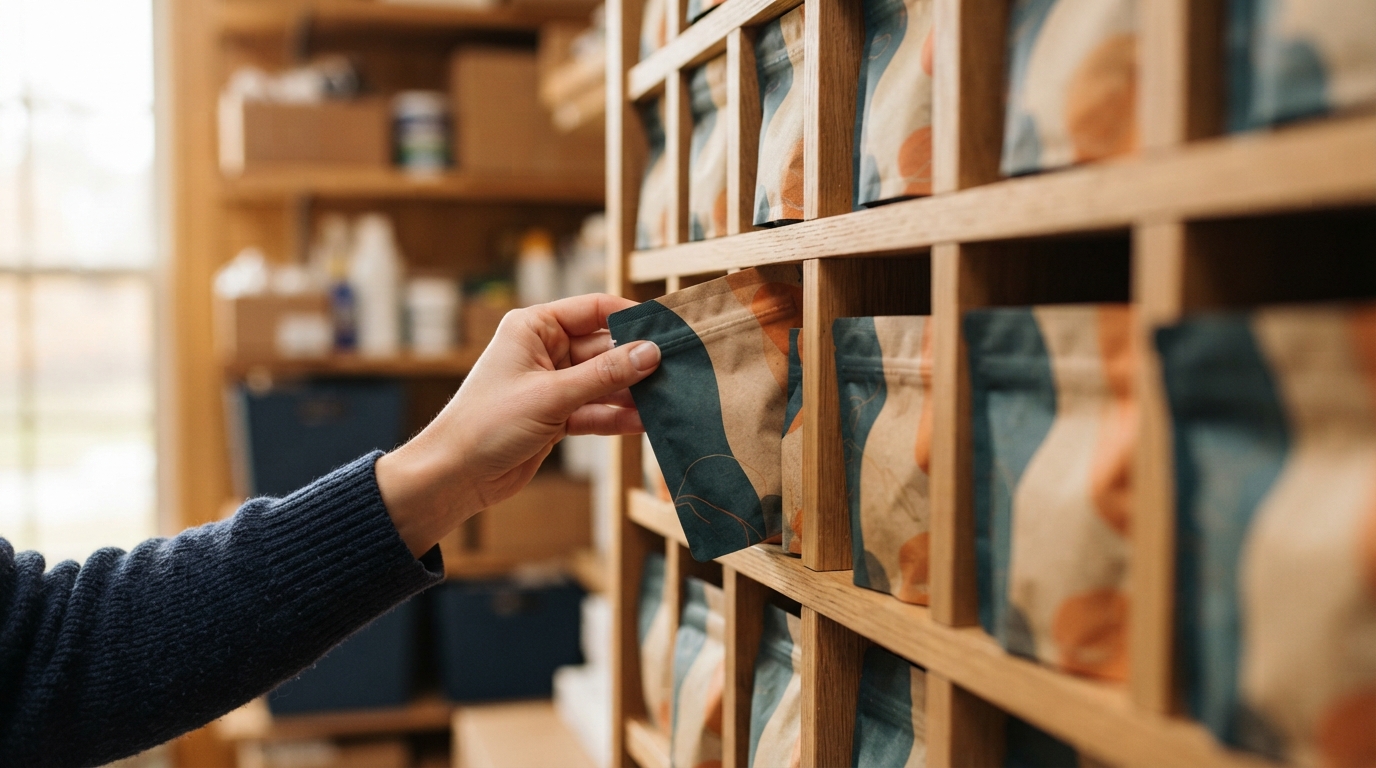
Treating packaging as a minor detail. In this business, packaging protects, communicates, and supports perceived value; if it does not match the product, you weaken pricing and increase the risk of damage in transit.
Ignoring shelf life and storage when building the product mix. Short-life products require faster turnover and tighter control; if you produce without planning for sales, losses show up quickly and eat into margin.
Selling as if this were a human bakery adapted for pets. The owner may compare it to a regular bakery, but they decide based on their own criteria of safety, trust, and suitability for the animal; if the messaging overreaches, credibility drops.
Turn these questions into decisions
Understanding this business before investing is what separates a pleasant idea from an operation that can sell consistently. Vibz helps you organize these decisions in stages, turning doubts about offer, channel, operations, and numbers into a plan you can actually test.
Business Scope
Use this stage to define the pet bakery and confectionery model, the audience you want to serve, the value proposition, and the business's critical bets. This is where you organize what needs to be validated before buying ingredients, setting up a kitchen, or launching the menu.
Market Intelligence
This stage helps you structure your analysis of who buys, which formats make the most sense in your area, and how competitors position themselves. It is where you compare demand, owner profile, and entry strategy without relying on guesswork.
Operational Plan
Here you map how production will work in practice, including products, processes, suppliers, structure, team, and channels. This is useful for deciding what fits in small batches, what needs refrigeration, and what should not be part of the initial mix.
Financial Modeling
This stage turns your choices into numbers for investment, revenue, costs, expenses, working capital, and cash flow. For this business, it is decisive for understanding the impact of shelf-life losses, packaging, and small-scale production.
Before investing, you should know
- How many products do you need to sell per week to cover production, packaging, and fixed overhead?
- What is the minimum product mix to start without making operations too complex?
- How long can each product stay in stock without losing quality or perceived value?
- Which ingredients require special purchasing, storage, or refrigeration control?
- Which channel should come first: made-to-order, a physical store, or local delivery?
- How much does each item cost to produce, considering recipe yield, losses, and packaging?
- Which products are there to attract customers, and which ones actually support the margin?
Sua ideia merece mais do que um palpite. Estruture o negócio, teste suas premissas e entenda se ele faz sentido antes de comprometer tempo e dinheiro.
Planejar meu negócio no Vibz