
Retail and Commerce
Fashion and Accessories
Explore Fashion and Accessories businesses
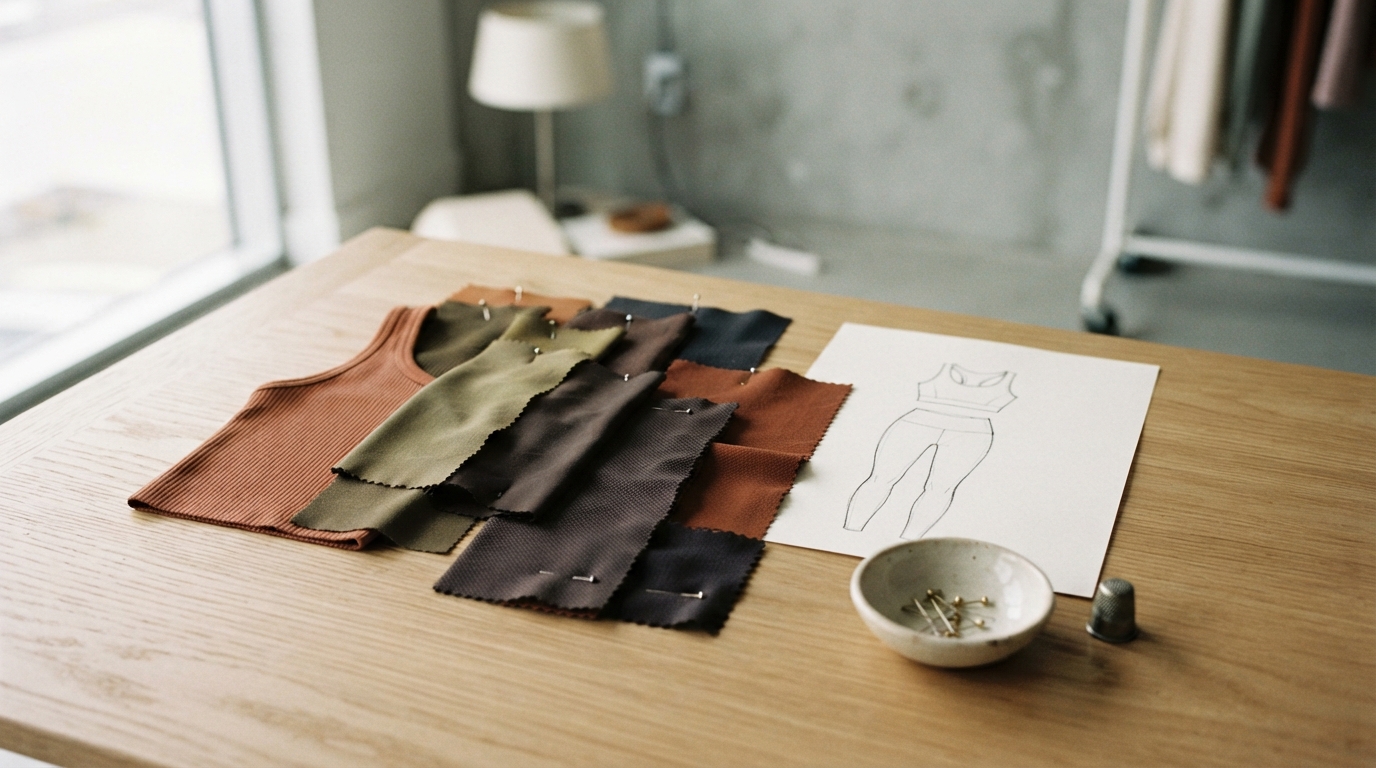
How to Start a Fitness Apparel Brand
Starting a fitness apparel brand looks straightforward when you focus only on the product. In practice, you need to decide whether you will compete on fabric, fit, identity, price, or replenishment, because that changes the whole plan.
Read case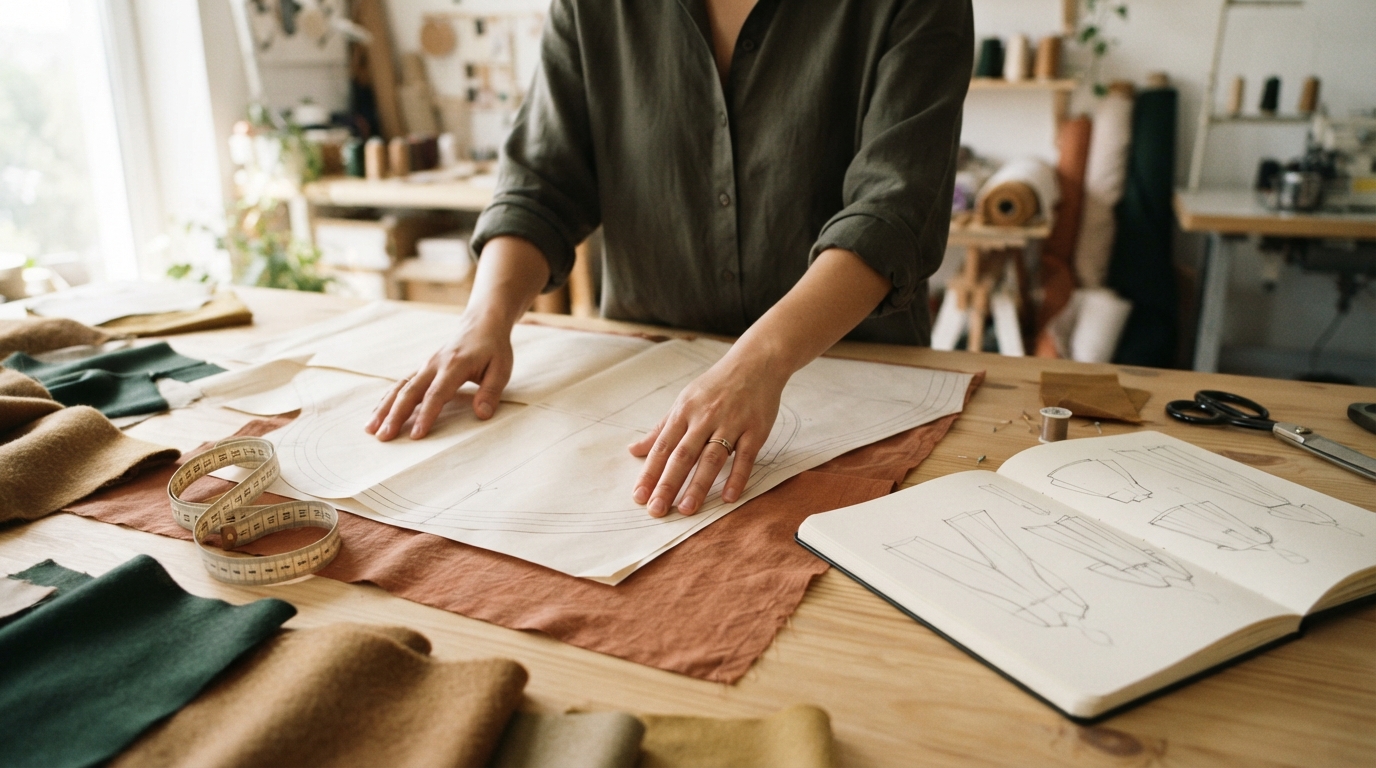
How to Start a Plus-Size Fashion Brand
Starting a plus-size fashion brand means deciding more than style. You need to understand pattern making, size range, fabric, margins, and sales channels before buying inventory or producing the first piece.
Read case
How to start a niche women’s fashion brand
Starting a niche women’s fashion brand sounds straightforward until you have to decide what to sell, who to sell to, and how to keep the piece, the collection, and the price aligned. In this kind of business, the difference is not just in the design of the clothes, but in how clear the audience is, how disciplined the inventory is, and how well you can repeat what works.
Read case
How to Start a Beachwear Brand
Starting a beachwear brand sounds simple until you have to decide what to sell, who to sell to, and how to turn a season into revenue. The business combines collection planning, size range, brand image, stock turnover, and sales channels, so the planning needs to be more precise than in a generic clothing brand.
Read case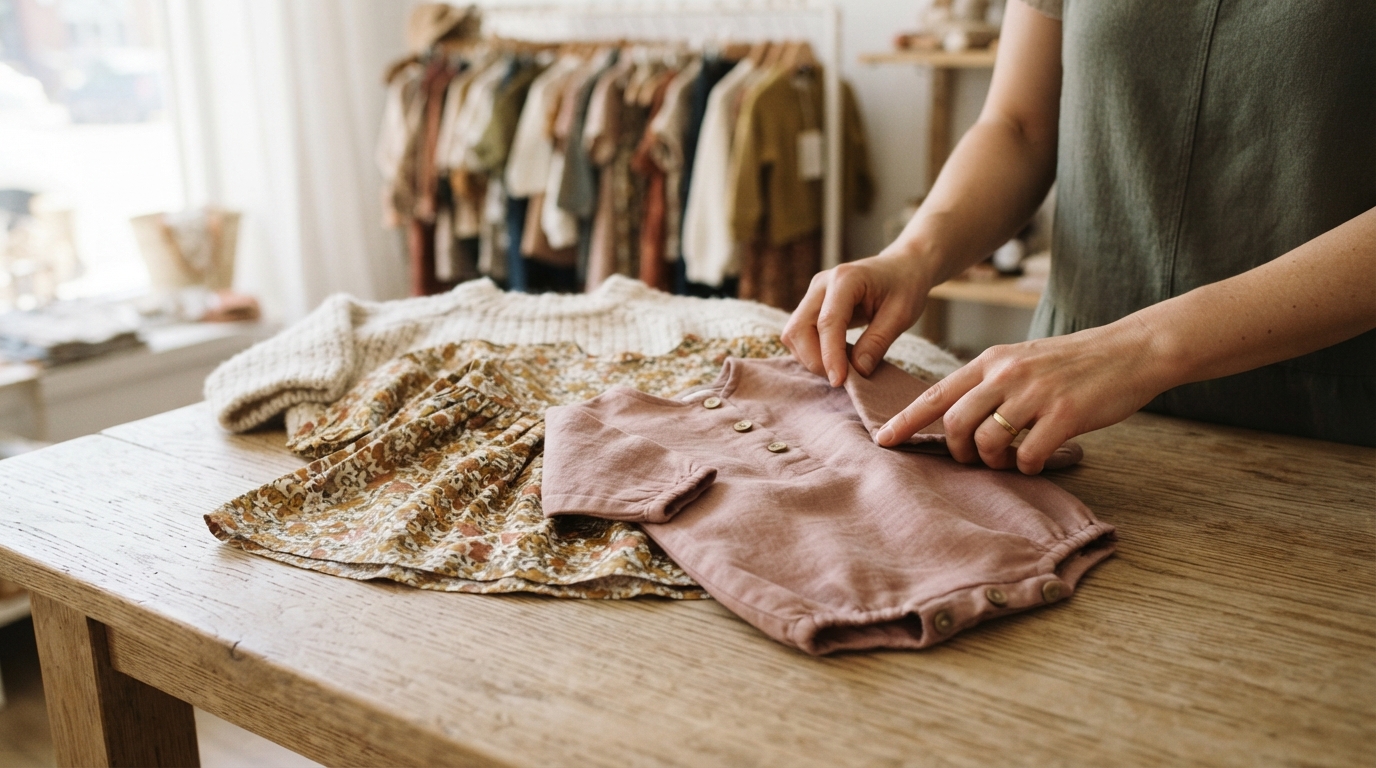
How to Open a Children’s Clothing Store
Opening a children’s clothing store seems straightforward until you separate what really sells from what only fills a rack. In this kind of business, the right decision depends on product mix, turnover, inventory size, price range, and the ability to refresh collections without tying up capital.
Read case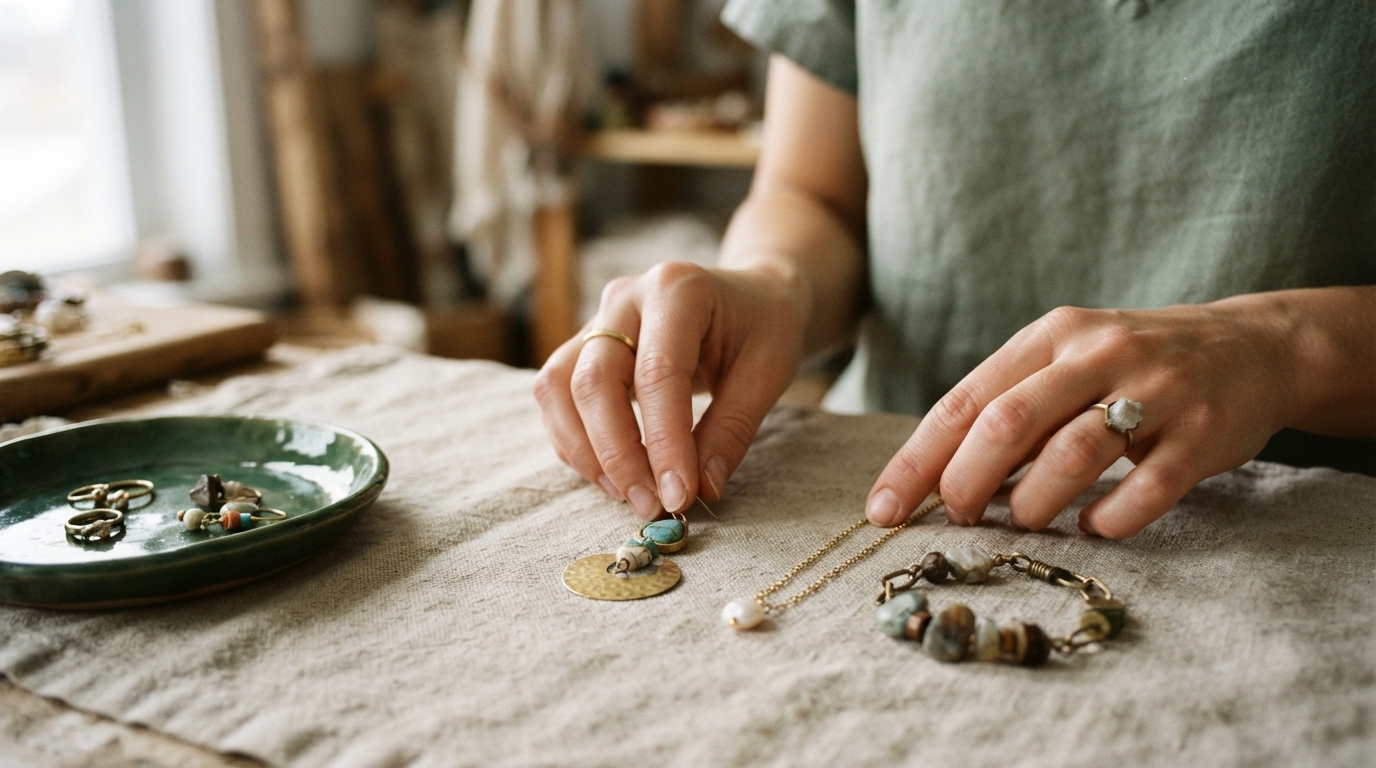
How to Open an Accessories and Costume Jewelry Store
Opening an accessories and costume jewelry store sounds simple until you have to decide on the product mix, the stock level, and the kind of customer you want to serve. In this business, the difference between selling well and getting stuck with inventory usually has less to do with the product itself and more to do with curation, replenishment, and how people buy.
Read case