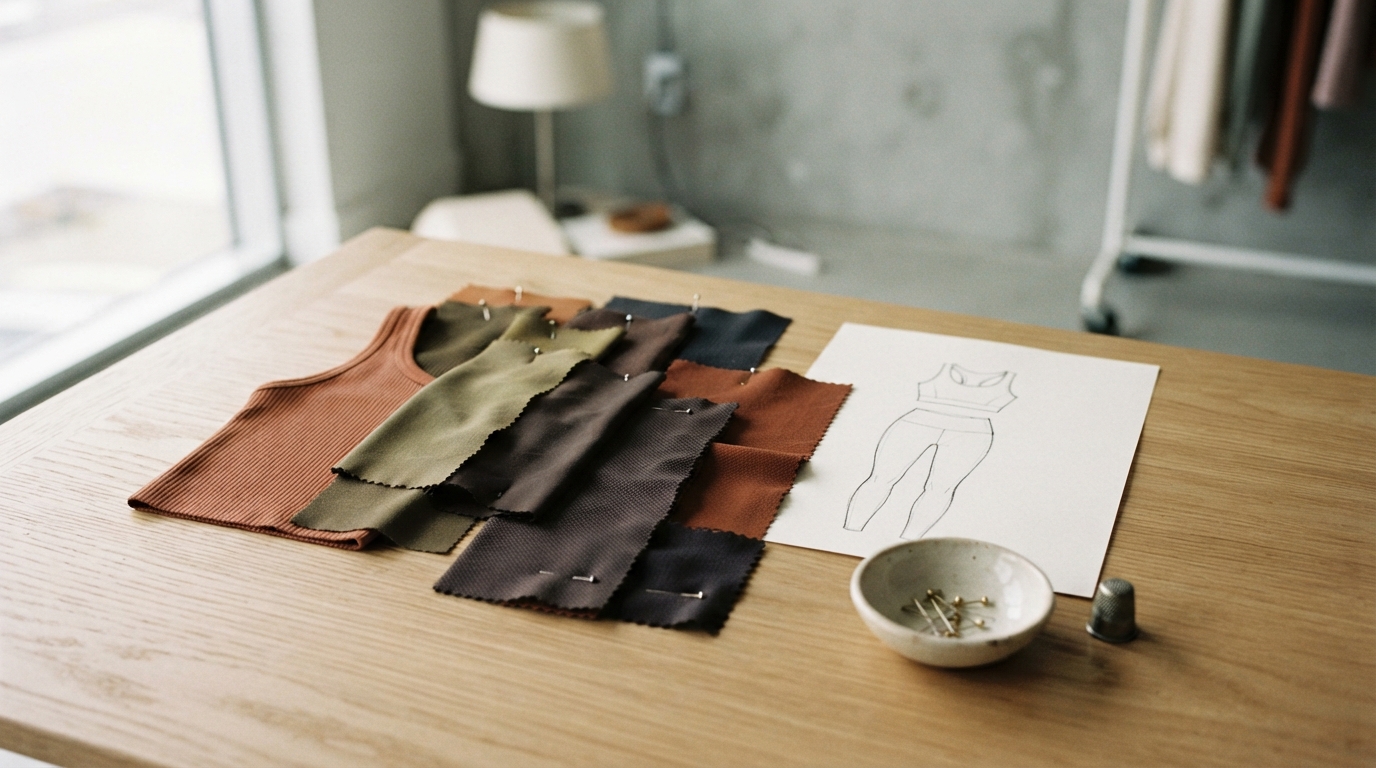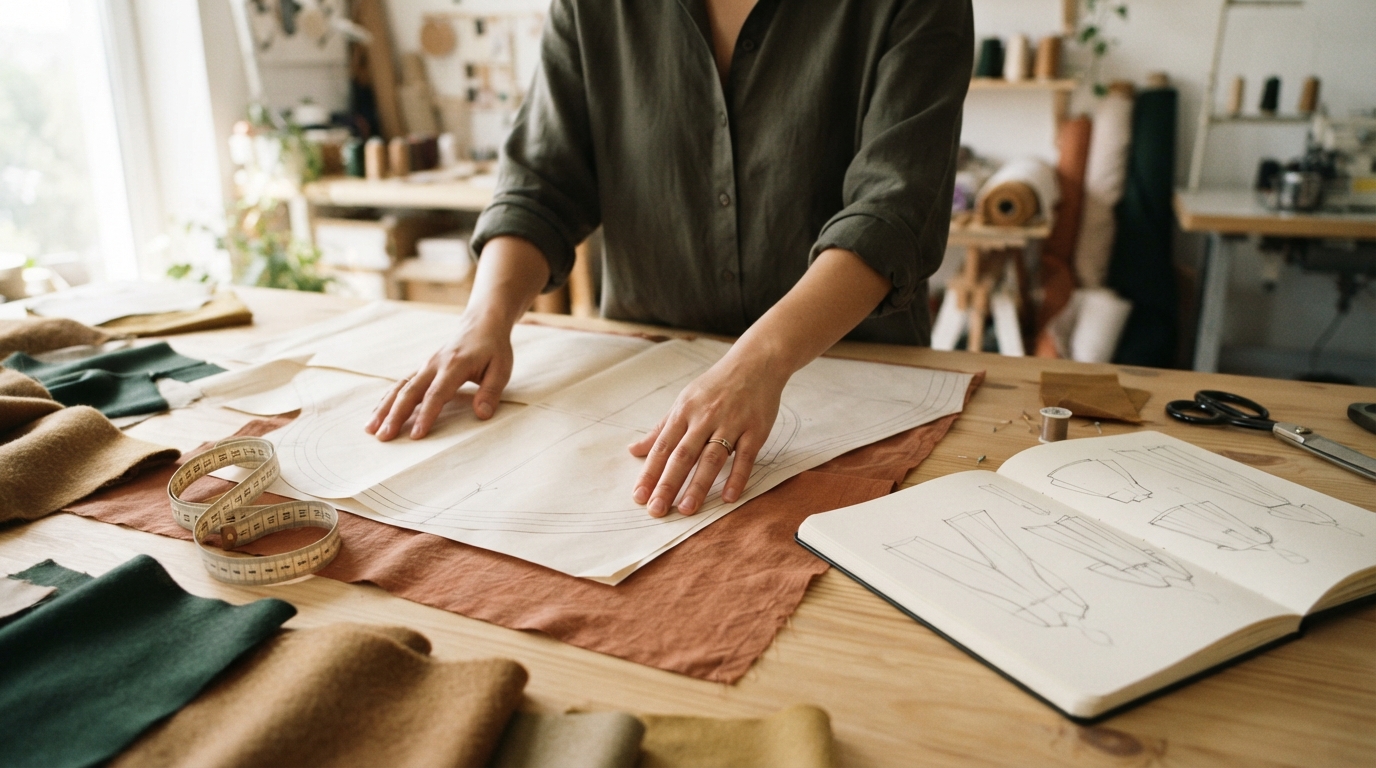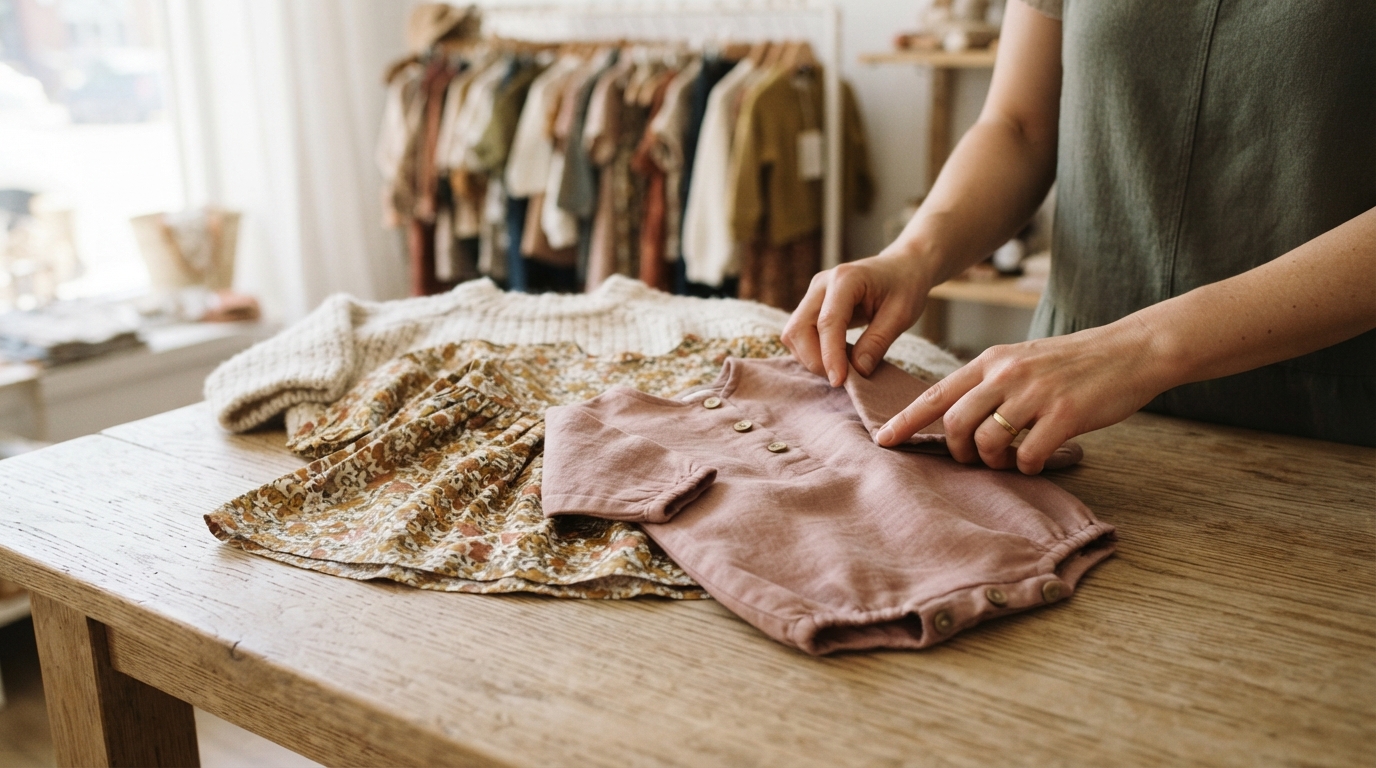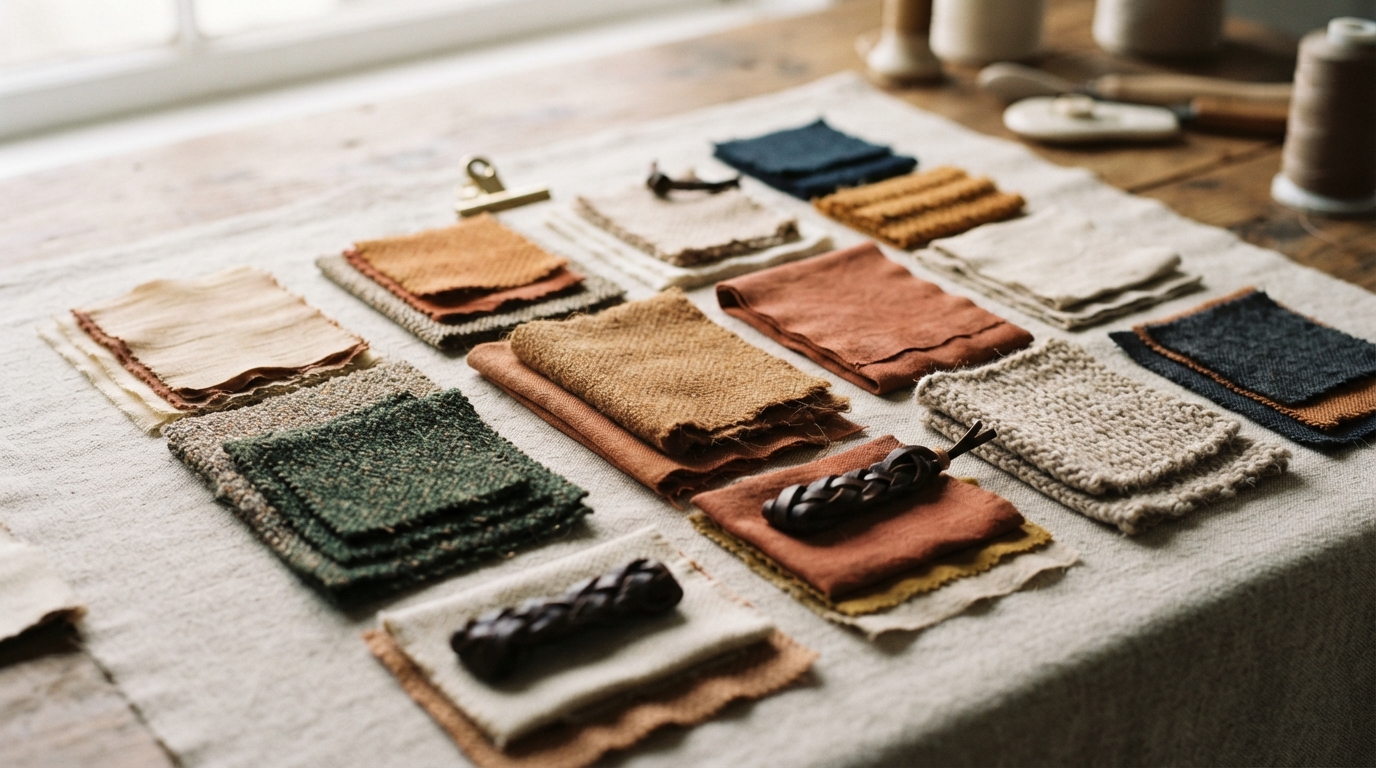
A niche women’s fashion brand requires narrower choices than a generic fashion store. You are not building just a catalog, but a proposition with a clear cut of style, usage occasion, price range, and customer profile.
That changes almost everything in the operation. The mix needs to make sense, inventory needs to turn without losing identity, and communication needs to speak to a specific woman, not to “everyone who buys clothes.”
- recurring collection
- size-based inventory
- style-led buying
- brand positioning
What you need to understand before moving forward
Which niche do you want to serve?
You need to define whether the brand will speak to an audience by style, occasion, body type, age range, or price range. The broader the scope, the harder it becomes to create a coherent offer and repeat sales consistently.
Will you produce or resell?
The answer changes margin, lead time, quality control, and capital needs. In-house production gives you more control over fit and identity, but it requires development, testing, adjustments, and supplier management; reselling reduces complexity, but limits differentiation.
What is the collection logic?
You need to decide whether you will work with standalone pieces, seasonal capsules, or continuous launches. That decision defines the number of references, the risk of dead stock, and the replenishment frequency.
How will customers discover the brand?
Niche fashion depends on channel and narrative aligned with the audience. You need to understand whether sales will start through content, referrals, community, your own store, or wholesale presence, because each channel requires a different operation.
Does the price fit the audience’s perception?
It is not enough to add up cost and margin. You need to compare the perceived value of the piece with what your niche is willing to pay, considering finishing, fabric, fit, exclusivity, and purchase frequency.
The critical points of this business
Market
The niche needs to be small enough to be clear and large enough to support repeat purchases. You should validate which usage situations actually drive the buying decision and which attributes make the customer choose your brand over a similar option.
Offer
The collection needs identity without relying on too much variety. In this category, the common mistake is mixing styles, price ranges, and occasions in the same display, which weakens the brand’s reading and confuses the purchase.
Operations
Niche women’s fashion requires attention to fit, sizing, sampling, exchanges, and replenishment. You need to know whether you can keep a standard across pieces and collections, because small variations in fit or finishing affect repeat purchases and the brand’s reputation.
Financial
The business usually requires capital for collection development, inventory, packaging, marketing, and exchanges. Before moving ahead, you need to understand how much money sits in stock, how long it takes to come back, and what level of leftover inventory is acceptable by category.
Channels
The channel choice changes everything: direct sales, social media selling, your own e-commerce, or a physical store all have different rhythms and demands. You need to validate where this niche customer buys with more confidence and which channel best explains the brand’s proposition.
What can compromise the business
Niche too broad to differentiate the brand
When the brand tries to serve very different profiles at the same time, it loses clarity and becomes just another generic option. Check whether you can describe the customer, the usage occasion, and the price range in a few lines.
Collection without coherence between pieces
Mixing too many references makes the brand feel unstable and makes repeat buying harder. Before producing, check whether the pieces speak to one another in style, fabric, fit, and level of formality.
Sizing and fit poorly adjusted
In women’s fashion, the problem shows up not only in sales, but also in returns and customer frustration. You need to test fit, size charts, and standardization before scaling any piece.
Inventory stuck in low-selling pieces
Niche fashion suffers when the entrepreneur bets on volume without knowing which models actually move. The answer is to track by category, identify what sells together, and avoid repeating items that only take up cash and space.
Pricing set without validating perceived value
If the price does not match finishing, positioning, and channel, selling becomes difficult even with a good piece. You need to understand how far the audience sees value in exclusivity, fabric, and the brand’s delivery.
Turn these questions into decisions
In niche fashion, what defines viability is not just the collection idea, but the clarity around audience, proposition, channel, and inventory structure. Vibz helps you organize those decisions before you buy fabric, place production orders, or build a display.
Business Scope
It helps turn the brand idea into a testable thesis: who it exists for, what buying problem it solves, and which style direction makes sense for your niche.
Market Intelligence
It organizes the analysis of the audience, the buying environment, and the competition, so you can see whether the niche is well defined and where the brand can enter with more clarity.
Operational Plan
It structures the operation before the first purchase, with definition of products, processes, suppliers, team, and channels, which is decisive for controlling collection, exchanges, and replenishment.
Financial Modeling
It turns the brand’s choices into numbers, so you can assess investment, inventory, costs, expenses, and working capital before committing money to production.
Before investing, you should know
- Which initial pieces really represent the brand’s style without expanding inventory risk too much?
- What price range is your audience willing to accept for this type of piece, considering finishing and positioning?
- How many units per model and per size range can you sustain without tying up capital?
- Which channel will concentrate the first sale, and what proof of value does it require?
- How much does it cost to develop, produce, package, and replace pieces with fit or finishing issues?
- Which part of the collection can be repeated without losing identity, and which part needs to change with each launch?
Sua ideia merece mais do que um palpite. Estruture o negócio, teste suas premissas e entenda se ele faz sentido antes de comprometer tempo e dinheiro.
Planejar meu negócio no Vibz