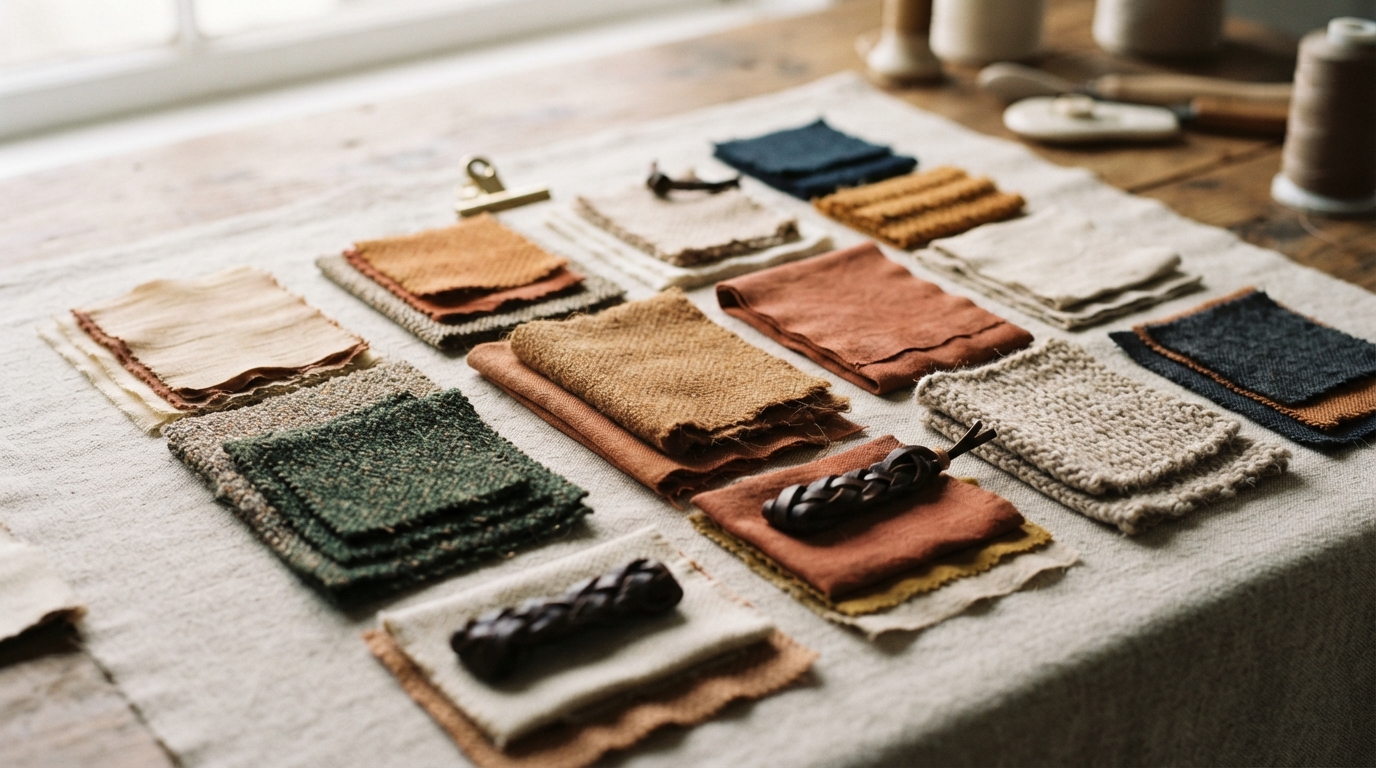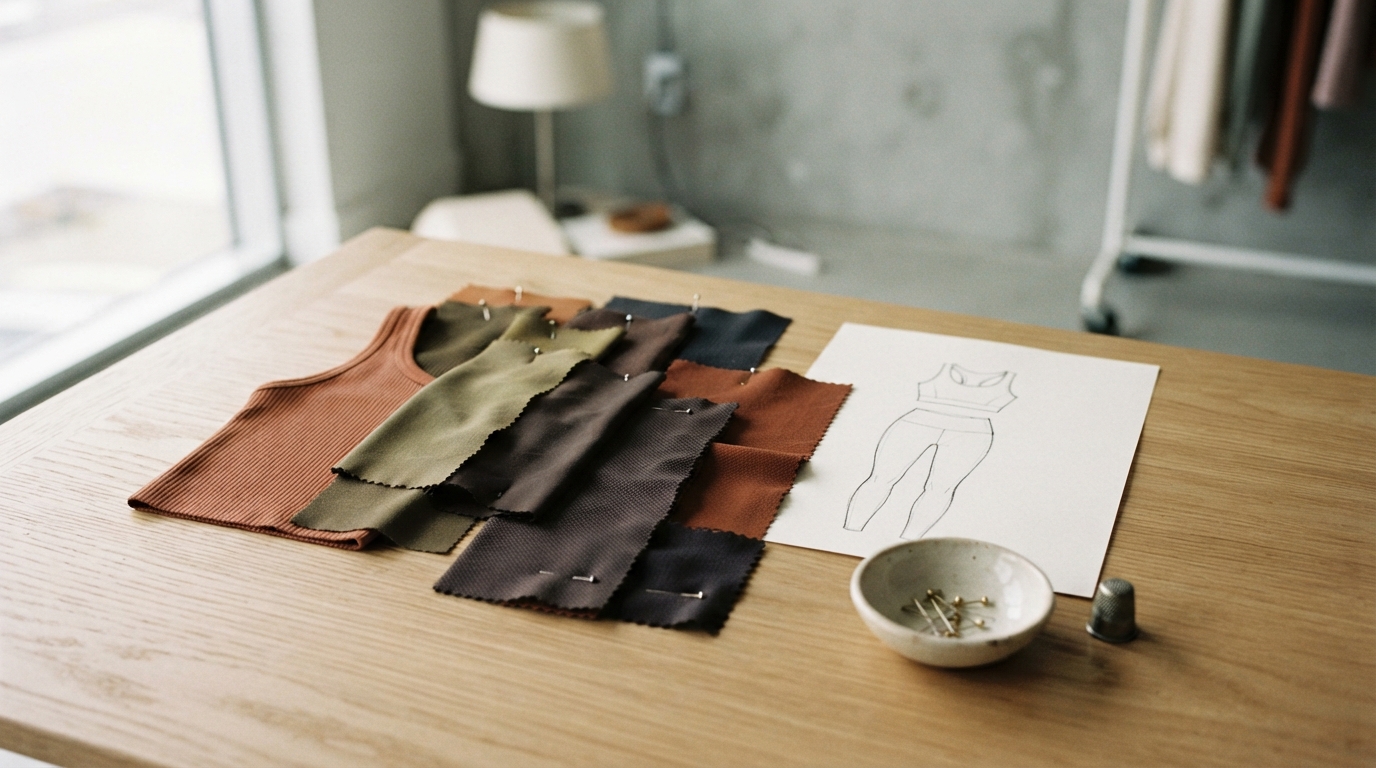
A fitness apparel brand is not built on an interest in fashion alone. It requires a clear choice of audience, tight collection management, size range definition, and an operation capable of handling size variation, returns, and dead stock.
What sets this business apart from other clothing brands is the combination of perceived performance and repeat use. You are not just selling clothes; you are selling comfort for training, body fit, and consistency across pieces that need to work well together.
- size-based collection
- high size variation
- repeat purchase
- inventory-sensitive
What you need to understand before moving forward
Who exactly are you selling to?
You need to define whether the brand speaks to people who train for strength, run, do yoga, practice pilates, or want casual wear with an athletic look. Each group values different things, and that changes fabric, fit, price range, and sales channels.
What problem does the clothing solve better than common options?
The answer may lie in compression, coverage, thermal comfort, fit, durability, or a mix of style and performance. If you cannot explain that clearly, the brand becomes just another line of similar pieces.
Will you produce to order or keep ready stock?
This business changes a lot depending on the model. Made to order reduces leftover inventory, but increases lead time and requires good forecasting; ready stock speeds up sales, but ties up capital in sizes and quantities.
Is your size range aligned with the audience you want to serve?
Fitness apparel is highly sensitive to fit, especially leggings, tops, and shorts. You need to decide which sizes to offer, how to distribute inventory across them, and how to handle exchanges without disrupting the operation.
Will your collection start with a few pieces or too much variety?
At the beginning, too much variety usually complicates fabric purchasing, production, photography, product setup, and turnover. A lean collection helps you validate which fits sell before expanding the mix.
The critical points of this business
Offer
In this category, the offer needs to be clear in function, not just in aesthetics. You should validate which pieces make sense at the start, which fabrics support the proposal, and which fit details justify the purchase.
Audience
The brand depends on understanding who buys for training and who buys for the athletic look. If you mix those two audiences without a clear filter, the communication becomes generic and the collection loses focus.
Operations
Operations need to handle fit, size range, sampling, replenishment, and exchanges with control. In fitness apparel, small fit mistakes create returns, loss of trust, and inventory that is hard to move.
Financials
You need to calculate how much capital is tied up in fabric, production, packaging, photos, inventory, and returns. Without that, the brand may sell and still run out of cash to restock the pieces that actually move.
Channels
The channel you choose changes the logic of the business. Direct sales, social media, wholesale, or a physical store require different structures for content, service, margin, and replenishment.
Brand
In this segment, the brand matters because customers compare appearance, visual consistency, and perceived quality before they even touch the piece. You need to know what image you want to build and whether you can sustain it across every collection.
What can compromise the business
A beautiful collection that does not sell well
It is common to create pieces that look appealing but are hard to use in real training. Check whether the fit allows movement, whether the fabric covers well, and whether the piece stays comfortable after washing and repeated use.
Poorly distributed size range
If you buy or produce sizes without looking at your audience profile, some sizes will sit in stock while the most sought-after ones run out. That ties up cash and increases forced discounting.
Dependence on one best-selling piece
Many brands start strong with one legging or one top and fail to repeat that result in other categories. If the operation depends on a single piece, any restock mistake or market copycat can slow sales quickly.
Pricing before knowing the real cost
When price is set by comparing competitors instead of your own structure, margins become fragile. You need to close the full cost of production, packaging, logistics, exchanges, and channel fees before deciding the final price.
Generic positioning
If the brand tries to speak to everyone, it becomes replaceable. In fitness, that usually happens when the collection mixes performance, fashion, and low price without a clear priority.
Turn these questions into decisions
A fitness apparel brand only becomes clear when you separate buying intent, production capacity, and the cash needed to sustain the operation. Vibz organizes these decisions so you can turn an idea into a plan before putting money into inventory.
Business Scope
Helps you define the brand thesis: audience, value proposition, type of piece, problem it solves, and critical bets. This is the starting point for not mixing training, fashion, and price without a clear logic.
Market Intelligence
Used to structure who buys, how that audience chooses fitness apparel, and which competitors occupy the space you want to compete in. It also helps organize the questions around demand, channel, and positioning.
Operational Plan
This is where you design the operation before producing: pieces, processes, suppliers, structure, team, and channels. For this business, it is what turns a collection into something sellable without improvisation.
Financial Modeling
Shows how your decisions turn into numbers, including investment, production cost, inventory, working capital, and cash flow. In fitness fashion, this is decisive because leftover stock and returns can eat into margin fast.
Before investing, you should know
- Which audience will you serve first, and which piece makes the most sense to start with?
- How many units of each size do you need to produce so inventory does not get stuck?
- What will be the full cost of each piece, including packaging and returns?
- What margin is left after the sales channel you chose?
- How much capital sits idle until the first sales and replenishment cycle?
- Will you work with ready stock, pre-order, or batch production?
Sua ideia merece mais do que um palpite. Estruture o negócio, teste suas premissas e entenda se ele faz sentido antes de comprometer tempo e dinheiro.
Planejar meu negócio no Vibz